Contents
Just like a well-oiled machine, your home’s plumbing system requires proper care to function smoothly. However, various factors can disrupt this delicate balance, leading to frustrating sewer blockages. It’s essential to understand the common culprits behind these issues and the effective solutions available. From grease buildup to foreign objects, knowing how to tackle these problems can save you time and money in the long run. Let’s explore the top reasons for these blockages and how you can address them.
Key Takeaways
- Grease buildup from cooking can cause clogs; install grease traps and regularly clean them to prevent overflow.
- Tree roots can infiltrate sewer lines, leading to slow drainage; regular inspections and root barriers can mitigate this issue.
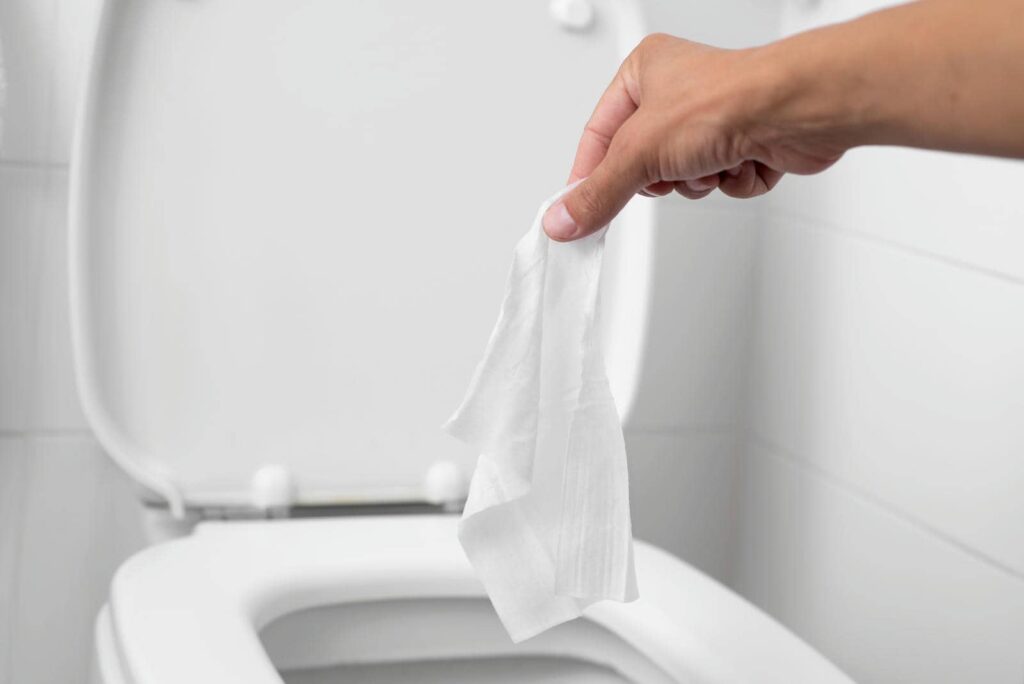
- Flushing inappropriate items like wipes and feminine hygiene products can block pipes; educate household members on proper disposal methods.
- Aging pipes may corrode or accumulate mineral buildup; schedule routine inspections to catch potential problems early.
- For minor clogs, use a plunger or drain snake; consult a professional for severe blockages to ensure effective resolution.
Grease Buildup
Grease buildup is a common culprit behind home sewer blockages, often occurring when fats, oils, and grease from cooking are poured down the sink. This accumulation can lead to clogs that hinder proper drainage, resulting in unpleasant odors and costly plumbing issues.
To combat this, installing grease traps is vital in your kitchen maintenance routine. These devices capture grease before it enters your sewer system, preventing blockages and promoting a smoother flow.
Regularly cleaning your grease trap is important; neglecting this step can lead to overflow and diminished effectiveness. Additionally, you should adopt practices like scraping plates and disposing of excess grease in the trash instead of the sink.
Tree Root Infiltration
Tree root infiltration can greatly impact your sewer system’s efficiency.
You’ll notice signs such as slow drainage or gurgling sounds, indicating roots may be obstructing flow.
To prevent this issue, understanding root growth patterns and implementing effective techniques is essential.
Root Growth Patterns
While you may not immediately associate tree root growth with sewer blockages, their invasive patterns can greatly compromise underground pipes.
Different root types, such as fibrous or taproots, can penetrate sewer lines, especially in favorable soil conditions. Saturated soil, poor drainage, and compacted earth create environments where roots thrive, seeking moisture and nutrients.
As roots grow, they can break through pipe joints or cracks, leading to serious blockages. It’s essential to identify and manage trees near your sewer system, as even small roots can cause significant issues over time.
Regular inspections and preventive measures, like root barriers, can help you safeguard your plumbing and maintain a healthy sewer system. Understanding root growth patterns is key to protecting your home.
Signs of Infiltration
How can you tell if tree roots have infiltrated your sewer system? Look for common infiltration signs.
If you notice slow drains, gurgling noises, or frequent backups, these could indicate root intrusion. You might also see unusual wet spots in your yard or an increase in pest activity.
Performing a sewer inspection using a camera can help identify root growth blocking the lines. During this inspection, you’ll see firsthand if roots are causing damage or restricting flow.
If you suspect tree roots are an issue, addressing them promptly is essential. Ignoring these signs can lead to more severe blockages and costly repairs down the line.
Stay vigilant and keep your sewer system functioning efficiently.
Prevention Techniques
To prevent tree roots from infiltrating your sewer system, it’s vital to take proactive measures early on.
Start by scheduling regular maintenance to ensure your pipes remain free from roots and other debris. Consider using root barriers, such as physical barriers or chemical treatments, to deter root growth near your sewer lines.
Regular plumbing inspections are important; they allow you to identify potential issues before they escalate. If you notice any signs of infiltration, address them immediately.
Additionally, be mindful of tree planting locations; avoid placing them near your sewer lines.
Foreign Objects
Foreign objects can cause significant blockages in your sewer system, leading to costly repairs.
Common culprits include items like wipes, feminine hygiene products, and food scraps that shouldn’t be flushed or disposed of in the sink.
Implementing prevention strategies, such as proper disposal methods, can help you avoid these issues.
Common Foreign Objects
Sewer systems often encounter blockages caused by various foreign objects that shouldn’t be flushed or poured down the drain.
Items like excessive toilet paper can quickly build up, leading to serious clogs. Additionally, feminine products, such as pads and tampons, are notorious for causing blockages due to their absorbent nature.
Other common culprits include wipes, even those labeled as “flushable,” as they don’t break down like toilet paper. Hair, grease, and food scraps can also create significant issues if they make their way into your plumbing.
Understanding these common foreign objects can help you avoid costly repairs and maintain a smoothly functioning sewer system.
Prevention Strategies
While you might think it’s safe to flush or pour certain items down the drain, implementing effective prevention strategies can save you from future headaches.
Start with preventive maintenance by educating everyone in your household about what’s acceptable to dispose of in your plumbing. Avoid flushing items like wipes, feminine hygiene products, and grease, as they can lead to severe blockages.
Schedule routine inspections of your sewer system; these check-ups can identify potential issues before they escalate. Also, consider using drain screens to catch foreign objects before they enter your pipes.
Flushing Improper Items
Flushing improper items down the toilet can lead to significant plumbing issues and costly repairs. Many people don’t realize that their flushing habits can directly impact their home’s sewer system. Items like wipes, feminine hygiene products, and paper towels don’t break down like toilet paper, causing blockages in pipes. This improper disposal can create clogs that require professional attention, disrupting your daily routine and straining your budget.
To avoid these problems, it’s essential to educate yourself and your household about what can and can’t be flushed. Establishing clear guidelines for waste disposal can enhance your plumbing’s efficiency and longevity.
Consider placing a waste bin in your bathroom to encourage proper disposal practices. By fostering a culture of mindful flushing habits, you contribute to a smoother-running plumbing system and a healthier home environment.
Aging Pipes
Improper flushing isn’t the only threat to your plumbing; aging pipes can also lead to significant problems. Over time, pipes experience deterioration due to corrosion, tree roots, or mineral buildup. This can restrict water flow and result in blockages. Regular maintenance schedules are essential to catch issues early and avoid costly repairs.
| Signs of Aging Pipes | Recommended Actions |
|---|---|
| Frequent clogs | Schedule a professional inspection |
| Discolored water | Flush and clean your pipes |
| Unusual noises | Replace affected sections |
Heavy Rainfall and Flooding
Heavy rainfall and flooding can overwhelm your home’s drainage system, leading to sewer blockages that disrupt your plumbing.
Poor stormwater management exacerbates these issues, causing excess water to back up into your sewer lines.
Here’s what you should know:
Inspect drainage systems regularly to ensure they’re clear of debris.
Install sump pumps to help manage excess water during heavy rains.
Create rain gardens or retention ponds to absorb stormwater effectively.
Consider professional assessments for long-term drainage solutions.
Plumbing System Design Issues
When designing your plumbing system, it’s vital to address potential flaws that can lead to blockages. An effective pipe layout is important; improper angles and connections can restrict flow, causing backups.
Make sure pipes are sized correctly to accommodate your household’s needs, as inadequate drainage capacity can overwhelm the system during peak usage.
Consider the distance between fixtures and the main sewer line. Long runs with too many bends can create turbulence, increasing the risk of clogs. Additionally, check for any low spots in the layout where debris can accumulate, leading to blockages over time.
Regularly assess your plumbing design to identify any weaknesses before they turn into significant problems. Collaborating with a professional can help you optimize your system for better performance.
Frequently Asked Questions
How Can I Prevent Grease Buildup in My Sewer System?
To prevent grease buildup in your sewer system, install grease traps and dispose of cooking oils properly. Avoid pouring fats down the drain, and regularly clean your traps to maintain ideal flow and reduce clogs.
What Are Signs of Tree Root Infiltration in Pipes?
If you notice slow drains and gurgling sounds, it’s likely tree root symptoms. To confirm infiltration detection, consider using a camera inspection, which reveals blockages caused by invasive roots in your sewer pipes.
How Do I Safely Remove Foreign Objects From My Sewer?
To safely remove foreign objects from your sewer, use sewer cleaning techniques like hydro jetting or augering. Employ foreign object detection tools to locate blockages, ensuring you address the issue effectively and protect your plumbing system.
What Items Should Never Be Flushed Down the Toilet?
Imagine a traffic jam in your pipes. Never flush items like feminine hygiene products or toilet paper alternatives. They clog your sewer, causing chaos. Stick to waste and toilet paper to keep everything flowing smoothly.
How Often Should I Inspect Aging Pipes for Damage?
You should inspect aging pipes for damage at least once a year. Regular pipe inspections and damage assessments help you identify issues early, ensuring your plumbing system remains efficient and your home stays protected from costly repairs.
Review
In the battle against sewer blockages, staying proactive is your best defense. Think of your plumbing system as a fortress; regular maintenance keeps it strong against the relentless siege of grease, roots, and foreign invaders. By adopting good habits and knowing the signs of trouble, you can avoid the plumbing nightmare that many homeowners face. Remember, a small effort today can save you from a costly disaster tomorrow, ensuring your home’s plumbing remains a well-oiled machine.