
Contents
Detecting sewer blockages early is essential to avoiding expensive repairs. You should be aware of specific signs that signal potential issues. For instance, unusual draining patterns, gurgling sounds, and foul odors can all indicate a problem. Additionally, monitoring water levels in fixtures and inspecting cleanouts regularly can help you catch blockages before they escalate. Understanding these indicators will empower you to act swiftly when you notice something amiss. Let’s explore these tips in detail.
Sewer Blockages – Key Takeaways
- Observe slow drainage patterns in multiple fixtures, as this may indicate a blockage in the sewer line.
- Listen for gurgling sounds during water usage, which can signal air trapped due to obstructions in the plumbing system.
- Check for persistent foul odors in sinks and toilets, as these can indicate serious sewer system issues.
- Monitor water levels in fixtures for sudden fluctuations, which may suggest underlying plumbing problems.
- Conduct regular visual inspections of cleanouts for signs of cracks, leaks, or standing water indicating blockages.
Observe Unusual Draining Patterns
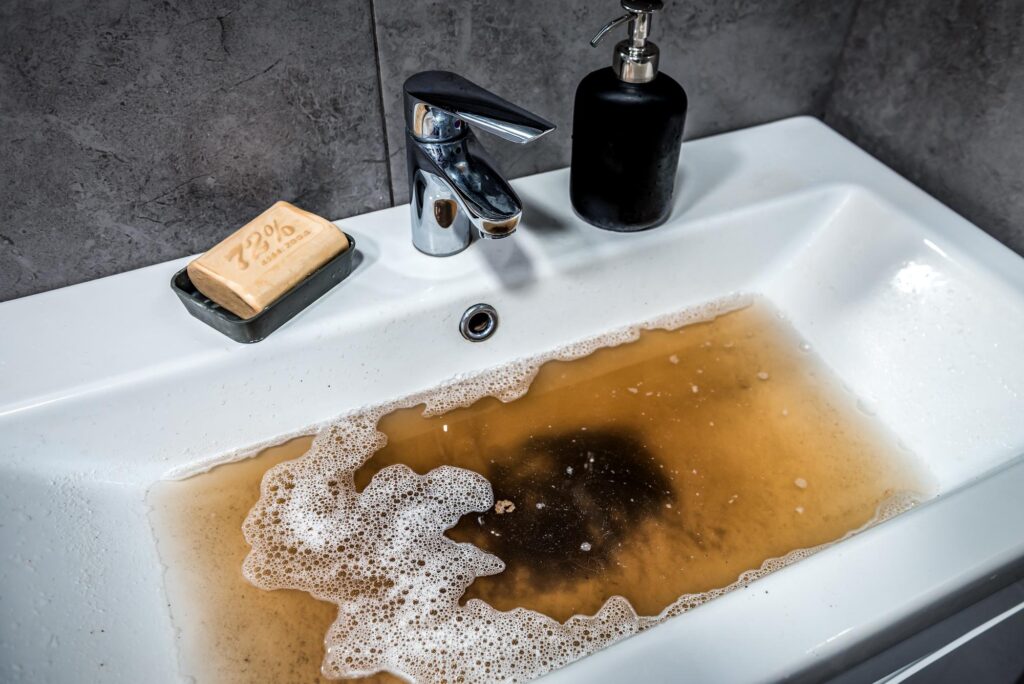
Have you noticed water draining slowly from your sinks or toilets? This could indicate underlying issues with your drainage patterns.
When water flow becomes sluggish, it often signals a blockage forming somewhere in your plumbing system. Keep an eye out for changes in how your fixtures drain. If multiple drains in your home are affected, it’s a sign that a larger issue may exist, potentially in your sewer line.
You might also observe water backing up in one fixture when another is used. This phenomenon can indicate a serious obstruction that needs immediate attention.
Regularly monitoring drainage patterns helps you catch problems early, preventing costly repairs down the line. If you notice persistent slow drainage or unusual behavior, it’s wise to consult a professional.
Listen for Gurgling Sounds
Monitoring drainage patterns is just one way to identify potential sewer blockages. Another significant method is to listen for gurgling noises, which can be indicative of air trapped in your plumbing system.
When water struggles to flow due to a blockage, it can create these unsettling sounds. Pay close attention during regular activities, like flushing toilets or running the sink. If you hear gurgling, it’s important to conduct a sound analysis of your plumbing.
Check nearby fixtures as well; the gurgling may not be confined to just one area. This sound often signals that the sewer line is obstructed, potentially leading to more significant issues if left unaddressed.
Check for Foul Odors
Foul odors emanating from your drains can signal a serious issue with your sewer system. If you notice persistent sewer smells, it’s essential to identify the odor sources promptly.
Start by inspecting your kitchen and bathroom sinks, as food particles and waste can accumulate and cause unpleasant smells. Check your toilet for clogs or leaks, which can also emit foul odors.
In addition, examine the traps and vents; if they’re dry or blocked, sewer gases can escape and infiltrate your home. Pay attention to any unusual smells near floor drains or laundry areas, as these could indicate deeper blockages in your sewer lines.
If you detect strong sewer smells that persist despite your efforts, it’s best to consult a professional plumber. They can help diagnose the problem and ensure your sewer system operates efficiently, keeping your home smelling fresh and welcoming.
Monitor Water Levels in Fixtures
Persistent sewer odors can often indicate underlying issues, making it crucial to keep an eye on water levels in your fixtures.
Proper fixture monitoring helps you catch potential problems early. Here are some key practices to follow:
- Check Water Levels Regularly: Make it a habit to observe the water level in sinks, toilets, and tubs. Unusually low or high levels can signal blockages.
- Look for Changes: If you notice sudden fluctuations in water levels, take action. This could indicate a developing issue in your plumbing system.
- Inspect Seals and Traps: Verify that seals and traps are functioning correctly. Dry traps can lead to unpleasant odors and sewer gases escaping into your home.
- Document Findings: Keep a log of any irregularities. This record can be invaluable when discussing issues with a plumber.
Monitoring water levels is a proactive step in maintaining your plumbing health.
Inspect for Slow Drains
One of the most common signs of a sewer blockage is a slow drain, which can occur in sinks, showers, or toilets. If you notice that water takes longer to drain than usual, it’s vital to inspect the situation promptly.
Slow drains often indicate a buildup of debris or grease in your pipes, creating potential blockages.
To address this, implement regular drain maintenance practices. Start by using a plunger or a plumber’s snake to clear minor obstructions. For ongoing issues, consider a mixture of baking soda and vinegar to help break down buildup naturally.
Additionally, keep an eye on multiple fixtures; if several drains are slow, the problem might be more extensive.
These plumbing tips can save you from more significant issues down the line. By staying proactive, you’ll make certain your plumbing functions smoothly and efficiently, fostering a sense of security in your home.
Conduct a Visual Inspection of Clean-outs
After addressing slow drains, it’s important to examine the cleanouts in your plumbing system.
Cleanouts provide access points for maintenance and can reveal blockages. Here’s how to conduct a thorough visual inspection:
- Identify Cleanout Types: Locate the various cleanout types—vertical, horizontal, or roof cleanouts—specific to your plumbing layout.
- Inspect for Damage: Look for cracks, leaks, or corrosion on the cleanout fittings and pipes. Any visible damage can indicate deeper issues.
- Check for Blockages: Use a flashlight to look inside the cleanouts. If you see standing water or debris, you may have a blockage.
- Gather Inspection Tools: Equip yourself with a camera or a mirror to get a better view inside tight spaces.
Conducting this inspection regularly helps maintain a healthy plumbing system and prevents more significant issues down the line.
Utilize a Plumbing Snake or Camera Inspection
Using a plumbing snake can effectively break up minor blockages, helping to restore flow without extensive intervention.
On the other hand, a camera inspection allows you to visualize the condition of your pipes, identifying issues that may not be apparent through traditional methods.
Both tools offer distinct advantages in maintaining your sewer system’s efficiency and preventing future problems.
Benefits of Plumbing Snakes
While you may face recurring sewer blockages, employing a plumbing snake can effectively resolve the issue. This tool is invaluable for plumbing maintenance and drain cleaning, offering several benefits:
- Effective Clearing: It reaches deep into pipes, breaking up stubborn clogs.
- Cost-Effective: Using a plumbing snake can save you money on professional services.
- Less Mess: Compared to other methods, it minimizes the mess during the process.
- Immediate Results: You’ll often see instant improvement, restoring your drainage quickly.
Incorporating a plumbing snake into your routine can enhance your plumbing maintenance strategy.
By understanding its benefits, you can tackle drainage issues more effectively and enjoy a smoother flow in your home.
Don’t underestimate the power of this essential tool!
Advantages of Camera Inspections
When you suspect a sewer blockage, camera inspections offer an essential advantage by allowing you to visualize the problem inside your pipes. This advanced technology provides real-time footage, ensuring you identify the exact location and nature of the blockage.
By pinpointing issues like cracks, tree roots, or buildup, you can address them effectively without unnecessary guesswork. Additionally, camera inspections enhance cost efficiency; they often reduce the need for extensive digging or invasive repairs.
This means you save both time and money while ensuring your plumbing system is properly assessed. Embracing camera inspections enhances your understanding of your sewer system and fosters a sense of belonging in a community that values informed decision-making.
Summary
So there you have it—your crash course on sewer blockage detection. If you’ve ever wondered why your toilet sounds like it’s auditioning for a horror movie, now you know! Keep an eye (and nose) out for those warning signs, and you might just save yourself from a plumbing disaster worthy of a reality show. Remember, a little vigilance goes a long way—after all, nobody dreams of spending their weekend knee-deep in sewage. Happy inspecting!


