Contents
Imagine maneuvering a complex maze without a map—this is akin to inspecting your sewer system without the right tools. Many homeowners underestimate the importance of proper equipment, leading to costly repairs down the line. From flexible cameras to drain snakes, each tool plays a vital role in maintaining the health of your sewer. Are you equipped to tackle potential issues before they escalate? Understanding these essentials could be the key to efficient inspections.
Key Takeaways
- Ensure you have a high-quality, flexible sewer camera for effective visual assessments of pipe conditions.
- Utilize maintenance tools like drain snakes and hydro-jetters to clear obstructions during inspections.
- Always wear protective gloves to enhance safety while inspecting sewer systems.
- Keep a sturdy flashlight on hand to improve visibility in dark sewer spaces.
- Use a sewer inspection report template to systematically document findings and recommendations.
Understanding Common Issues
When you encounter persistent drainage problems, it’s essential to understand common sewer issues that could be at play. One significant concern is pipe corrosion, especially in older homes where materials like cast iron or clay were used. These common pipe materials can deteriorate over time, leading to blockages and leaks.
Another issue is tree root intrusion, which can penetrate joints and cracks, obstructing flow.
To mitigate these problems, consider implementing sewer maintenance tips such as regular inspections, which can help identify potential issues before they escalate. Keeping an eye on your plumbing system and recognizing telltale signs—like slow drains or foul odors—can save you from costly repairs.
Essential Tools for Effective Inspection
To effectively inspect your sewer system, having the right tools at your disposal is essential. Start with high-quality inspection equipment, such as a flexible sewer camera. This allows you to visually assess pipe conditions and identify blockages or damage.
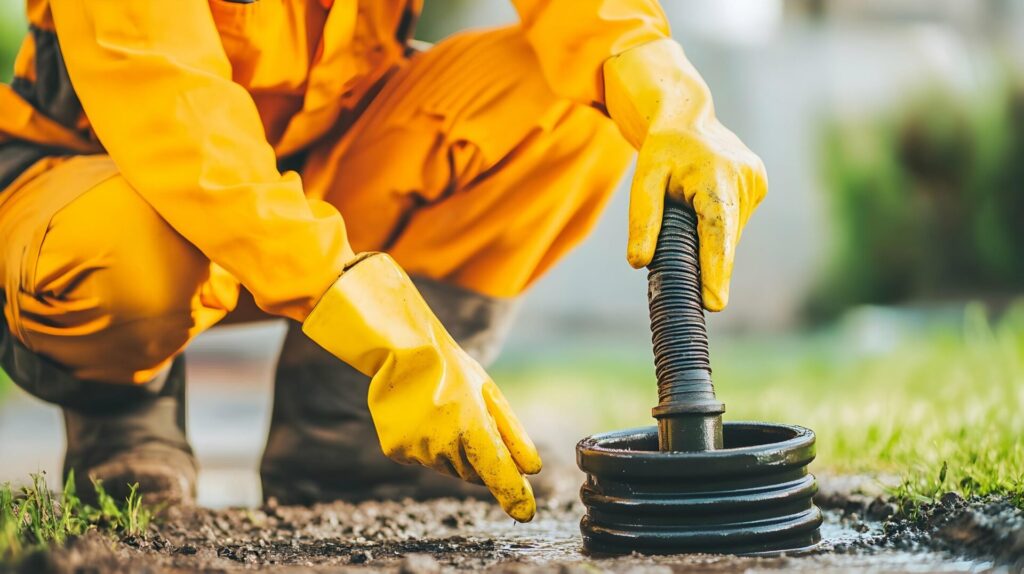
Pair this with a robust set of maintenance tools, including drain snakes and hydro-jetters, to clear any obstructions you may discover during inspection.
Don’t overlook essential accessories like protective gloves and a sturdy flashlight, which enhance safety and visibility in darker spaces.
Additionally, a sewer inspection report template can help you document findings systematically, ensuring you don’t miss vital details.
The Importance of Video Camera Inspections
Video camera inspections play an essential role in maintaining the integrity of your sewer system, as they provide real-time visual data that helps pinpoint issues within the pipes. By utilizing advanced video technology, you can observe the internal condition of your sewer lines without invasive digging. This method allows you to identify cracks, blockages, and other potential problems early on, preventing costly repairs down the line.
The inspection benefits are significant; you gain a clear, accurate assessment of your system’s health, enabling informed decision-making. With this precise information, you can streamline maintenance efforts and prioritize urgent repairs.
Video inspections also foster transparency, allowing you to see exactly what’s happening within your sewer system. Incorporating video camera inspections into your routine maintenance enhances your understanding of your sewer infrastructure and builds a foundation of trust with service providers, ensuring you’re a valued member of a proactive community.
Techniques for Identifying Blockages
Identifying blockages in your sewer system requires a systematic approach, as various techniques can effectively pinpoint the location and cause of obstructions.
One of the most reliable methods is video camera inspection, which allows for real-time blockage detection. By inserting a small, flexible camera into the sewer line, you can visually assess the interior and locate any blockages caused by debris, tree roots, or pipe damage.
Another useful technique is the use of acoustic inspection methods, which detect changes in sound waves as they travel through the pipes. This can help identify areas of restriction.
Additionally, hydrostatic testing can reveal blockages by measuring pressure changes in the system.
Combining these inspection methods enhances your ability to accurately diagnose issues, ensuring you can take effective action.
Embracing these advanced techniques fosters a deeper understanding of your sewer system and promotes a sense of community among homeowners tackling similar challenges.
Preventative Measures to Avoid Future Problems
While many homeowners face sewer issues, adopting preventative measures can greatly reduce the likelihood of future problems. Implementing a routine inspection schedule is essential; it allows you to identify potential issues before they escalate. Aim for inspections at least once a year, focusing on areas prone to blockages, such as bends or joints in your sewer line.
Incorporate preventative maintenance practices like using enzymatic cleaners, which break down organic material without harming your pipes. Be mindful of what goes down your drains—avoid flushing non-biodegradable items and grease, which can cause significant buildup.
Additionally, maintain proper landscaping to prevent tree roots from invading your sewer lines. Educate your family about responsible disposal habits, fostering a communal sense of ownership over your home’s plumbing.
When to Call in the Professionals
If you notice persistent foul odors, slow drainage, or gurgling sounds coming from your plumbing, it’s essential to recognize these as signs of potential sewer issues.
Complex inspection requirements, such as identifying blockages or structural damage, often exceed the capabilities of standard tools.
In such situations, consulting professionals ensure a thorough assessment and effective resolution.
Signs of Sewer Issues
How can you tell when it’s time to call in professionals for sewer issues? Pay attention to persistent signs like clogged drains that resist your efforts to clear them.
If you’re frequently dealing with slow drainage or backups, it’s a clear signal that something deeper might be wrong. Additionally, foul odors emanating from your drains or yard can indicate sewer line problems, such as leaks or blockages.
If you notice soggy patches in your yard or unusually lush grass in specific areas, it could suggest a sewer line breach. Don’t ignore these signs; addressing sewer issues promptly can prevent extensive damage and costly repairs.
Trusting experts ensures your home stays safe and sanitary.
Complex Inspection Requirements
Determining when to call in professionals for a sewer inspection often hinges on the complexity of the situation.
If you’re dealing with extensive blockages, tree root intrusions, or structural damage, it’s time to seek expert help.
Professionals utilize advanced technology, such as video inspection equipment, to accurately diagnose issues that are hard to detect.
Additionally, ensuring regulatory compliance is vital, as local codes and standards must be met during any repair or renovation.
By engaging specialists, you’ll save time and avoid costly mistakes.
Remember, when sewer problems escalate beyond basic signs, professional intervention is essential for maintaining your home’s integrity and safeguarding your investment.
Don’t hesitate—reach out to the experts when needed.
Review
By equipping yourself with the right tools and techniques, you can navigate the murky waters of sewer maintenance with confidence. Don’t let small issues fester into costly repairs; think of regular inspections as your sewer system’s health check-up. A flexible sewer camera, drain snakes, and hydro-jetters are your best allies in this endeavor. Remember, when in doubt, it’s always wise to call in the professionals. Stay proactive, and your sewer system will thank you for it.