Contents
Regular sewer line inspections and cleanings can help identify potential problems before they become major plumbing emergencies. Proper waste disposal habits also play an important role in preventing blockages and unnecessary strain on your sewer system.
For homeowners in Spring Valley, CA, it is also important to consider factors such as tree and vegetation growth, water usage, and the age and condition of your plumbing. By following a few practical maintenance habits and recognizing warning signs early, you can help keep your sewer line working properly.
Key Takeaways
- Schedule professional sewer line inspections and cleanings based on the age and condition of your plumbing system.
- Avoid pouring grease, food scraps, and other inappropriate materials down drains.
- Only flush toilet paper and human waste, and keep hygiene products and other non-flushable items out of the toilet.
- Use drain screens to help keep hair, debris, and other materials from entering your plumbing.
- Maintain trees and vegetation near sewer lines to help reduce the risk of root intrusion.
- Monitor water usage and watch for changes such as unexplained increases in consumption or drainage problems.
- Keep records of professional inspections, repairs, and maintenance for future reference.
Schedule Regular Sewer Line Inspections and Cleanings
Regular sewer line inspections can help identify potential problems before they develop into more serious plumbing issues. Professional inspections may reveal blockages, root intrusion, cracks, damaged sections, or other conditions affecting the sewer line.
Routine cleaning can also help remove buildup and debris that may restrict flow. The appropriate maintenance schedule depends on factors such as the age of the plumbing, pipe material, previous repairs, tree coverage, and whether the property has experienced recurring sewer problems.
For homeowners in Spring Valley and throughout East San Diego County, professional maintenance can provide a better understanding of the condition of the sewer system and help identify problems before they require extensive repairs.
If you are concerned about the condition of your sewer line, an inspection can help determine whether cleaning, repairs, or additional maintenance may be appropriate.
Avoid Chemical Drain Cleaners
What you put into your plumbing matters just as much as regular maintenance. Many homeowners use chemical drain cleaners when they notice a slow drain, but these products are not always the best solution for recurring plumbing problems.
Some chemical drain cleaners can be harsh on plumbing components, particularly when they are used repeatedly or incorrectly. They may also fail to address the underlying cause of a recurring clog.
For minor drain buildup, some homeowners use simple maintenance methods such as baking soda and vinegar. These methods may help with light residue and odors, but they are not a substitute for professional drain cleaning when a drain is seriously or repeatedly clogged.
For persistent problems, professional drain cleaning can help determine what is causing the blockage and which cleaning method is appropriate for the plumbing system.
You can also learn more about sewer inspections and potential problems in our guide to sewer inspection essentials.
Practice Proper Waste Disposal
Proper waste disposal is one of the simplest ways to help protect your sewer line.
What you flush down the toilet or pour into a drain can eventually contribute to blockages and plumbing problems. Follow these basic practices:
- Only flush toilet paper and human waste.
- Dispose of food scraps in the trash or compost instead of putting them down the sink.
- Keep wipes, paper towels, feminine hygiene products, and other non-flushable items out of the toilet.
- Allow grease and cooking fats to cool and solidify before disposing of them in the trash.
- Use sink strainers to catch food particles and other debris before they enter the drain.
Small changes in daily habits can reduce the amount of debris entering your plumbing and help minimize avoidable blockages.
For additional information, see our guide on preventive sewer maintenance.
Install Drain Screens
Drain screens are a simple way to keep unwanted debris out of your plumbing.
Depending on the fixture, you can use mesh screens, sink strainers, or other drain covers designed to catch debris before it enters the pipes.
Prevent Hair and Debris Buildup
Bathroom drains commonly collect hair, soap residue, and other debris. A drain screen can catch much of this material, making it easier to remove before it moves farther into the plumbing system.
Reduce Plumbing Problems
Keeping debris out of your drains can reduce the amount of material available to contribute to clogs. Drain screens are inexpensive and easy to clean, making them a practical addition to routine plumbing maintenance.
Remember to empty and clean your drain screens regularly so they do not become blocked themselves.
Maintain Trees and Vegetation Near Sewer Lines
Trees and other vegetation can be an important consideration when maintaining underground sewer lines. Tree roots naturally seek sources of water and can sometimes enter damaged or compromised pipes.
Homeowners should be especially aware of mature trees located near underground plumbing.
Here are a few ways to reduce potential problems:
- Choose Plants Carefully: Consider mature plant size and root growth when landscaping near underground plumbing.
- Monitor Existing Trees: Keep an eye on mature trees and vegetation located near known sewer lines.
- Consider Root Barriers: In appropriate landscaping situations, root barriers may help direct roots away from specific areas.
- Watch for Warning Signs: Recurring drain problems, backups, or other plumbing changes near mature trees may warrant a professional sewer inspection.
If you suspect tree roots are affecting your sewer line, professional inspection can help determine whether root intrusion or another problem is responsible.
Monitor Your Water Usage
Changes in water usage can sometimes provide useful clues about plumbing problems. Monitoring your water bills and paying attention to drainage patterns can help you recognize unusual changes.
Track Your Water Bills
Review your water bills regularly and become familiar with your property’s normal usage.
An unexplained increase in water consumption can have several causes, including changes in household usage or a plumbing leak. If your water usage changes significantly without an obvious reason, it may be worth investigating.
Tracking your bills can help you:
- Identify unusual changes in water consumption.
- Notice potential leaks sooner.
- Understand your property’s normal usage patterns.
- Recognize when professional plumbing inspection may be appropriate.
Observe Drainage and Flow Patterns
Pay attention to how your sinks, toilets, showers, and other fixtures drain.
Slow drainage, repeated backups, or changes affecting multiple fixtures may indicate a problem farther down the plumbing system.
For example, if several drains begin slowing down around the same time, the issue may involve a shared drain or sewer line rather than an isolated fixture clog.
Recognizing these changes early can help you address potential problems before they become more disruptive.
Schedule Professional Sewer Maintenance
While some basic plumbing maintenance can be handled by homeowners, sewer line problems often require professional equipment and experience.
A qualified plumber can inspect the system, identify potential problem areas, and determine whether drain cleaning, sewer cleaning, repairs, or another service is appropriate.
When planning sewer maintenance, consider these steps:
- Consider Your Plumbing History: Older plumbing, previous sewer repairs, recurring clogs, or known root intrusion may require closer attention.
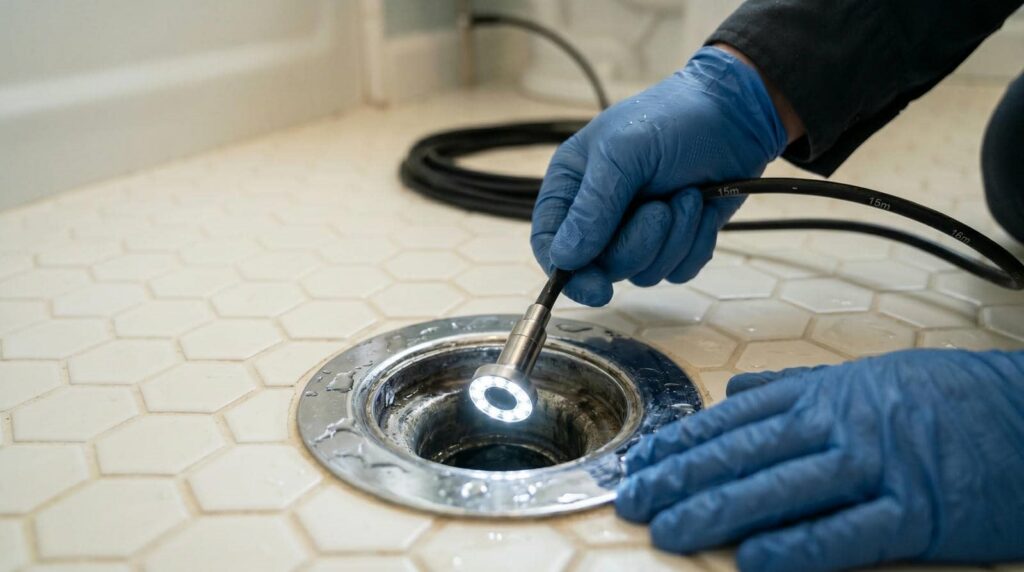
- Use Professional Inspections When Needed: A sewer camera inspection can provide a closer look at the inside of the pipe.
- Choose Qualified Professionals: Look for a licensed plumbing company with experience handling sewer line problems.
- Keep Maintenance Records: Document inspections, cleanings, repairs, and other plumbing work performed on your property.
There is no single maintenance schedule that works for every home. A professional can help determine an appropriate inspection or cleaning frequency based on your property’s plumbing system and history.
Recognize Warning Signs of Sewer Line Problems
Even with good maintenance habits, sewer problems can develop. Knowing the warning signs can help you seek professional assistance sooner.
Slow Drains
A single slow drain may have a localized clog, but recurring slow drainage or problems affecting multiple fixtures can indicate a larger issue.
Gurgling Sounds
Gurgling from toilets or drains may occur when air is moving through a partially blocked drainage system. If the sound is persistent, it is worth having the plumbing checked.
Water Backups
Water backing up into a sink, shower, bathtub, or other fixture can indicate a significant blockage. Multiple fixtures backing up at the same time may point to a problem farther down the drainage system.
Unpleasant Sewer Odors
Persistent sewage odors inside or around your property should not be ignored. An inspection can help determine whether the odor is coming from a drain, sewer line, venting issue, or another plumbing problem.
Changes Around the Yard
Unexpected wet areas, unusually lush vegetation in one spot, or other changes around the yard may have several possible causes. If these changes occur near a sewer line and you are also experiencing plumbing problems, consider scheduling an inspection.
Frequently Asked Questions
How Often Should I Schedule Sewer Line Inspections?
There is no universal inspection schedule for every property. Factors such as pipe age, material, previous repairs, tree coverage, and recurring plumbing problems can affect how often an inspection may be appropriate. A professional plumber can recommend a maintenance schedule based on your specific sewer system.
What Tools Are Used for Sewer Line Maintenance?
Professional plumbers may use equipment such as drain snakes, sewer augers, high-pressure water jetting equipment, and sewer cameras. The appropriate tool depends on the type and location of the problem and the condition of the pipe.
Can I Use Natural Remedies for Drain Cleaning?
Baking soda and vinegar are sometimes used for minor drain maintenance and odors. However, they should not be relied on to clear serious or recurring sewer blockages. Persistent problems are better evaluated by a professional.
How Do Tree Roots Affect Sewer Lines?
Tree roots can enter sewer pipes through existing cracks, gaps, or damaged connections. Once inside, roots may contribute to recurring blockages and restricted flow. A sewer camera inspection can help determine whether root intrusion is present.
What Determines the Cost of Sewer Line Repairs?
Sewer repair costs vary depending on the location and extent of the damage, pipe material, accessibility, repair method, and other site-specific factors. An inspection can help determine what work is needed before a repair estimate is provided.
Wrap-Up
Following practical sewer line maintenance tips can help Spring Valley homeowners reduce avoidable plumbing problems and recognize potential issues earlier.
Proper waste disposal, drain screens, responsible landscaping, water-use monitoring, and professional inspections can all play a role in maintaining your sewer system.
If you are dealing with recurring backups, slow drains, unusual sewer odors, or other signs of a sewer line problem, professional plumbing service can help identify the cause and determine the appropriate next step.