Contents
Imagine the frustration of a backed-up sink, gurgling ominously as water refuses to drain. Home sewer blockages can stem from several common culprits, each with its own impact on your plumbing system. From greasy buildups to invasive tree roots, understanding these issues can help you avoid costly repairs. What are the specific factors contributing to these blockages, and how can you effectively address them?
Key Takeaways
- Grease buildup from cooking oils solidifies in pipes, leading to clogs and costly plumbing issues.
- Tree roots infiltrate sewer lines seeking moisture, causing significant blockages when they penetrate cracks.
- Solid waste accumulation occurs when inappropriate items are flushed, narrowing pipe flow and resulting in backups.
- Foreign objects like small toys and feminine hygiene products create hard-to-clear clogs in the sewer system.
- Pipe deterioration from aging systems can lead to corrosion, weakening pipes, and causing blockages over time.
Grease Buildup
While you may not think twice about pouring cooking oils and fats down the drain, this habit can lead to significant grease buildup in your home’s sewer system.
Grease solidifies as it cools, creating clogs that restrict water flow and can result in costly plumbing issues. To combat this, consider implementing better kitchen habits. Always dispose of oils in a container rather than the sink.
Installing a grease trap in your kitchen can also help manage waste effectively. These devices capture grease before it enters your plumbing system, reducing the risk of blockages.
Regularly clean out your grease trap to ensure it functions efficiently.
Tree Root Infiltration
When tree roots seek moisture from underground pipes, they can infiltrate your sewer system, causing significant blockages. This issue often arises when trees, especially invasive species, grow near sewer lines. The roots find tiny cracks or joints and expand, leading to clogs that disrupt your plumbing and health.
To prevent this, you might consider installing root barriers. These physical barriers can help redirect root growth away from your sewer lines, protecting your system and saving you from costly repairs.
Regular inspections can also help identify early signs of root infiltration, allowing for timely intervention.
If you suspect roots are causing issues, don’t ignore the signs. Engaging a professional can provide you with tailored solutions, ensuring your sewer system remains clear and efficient.
Solid Waste Accumulation
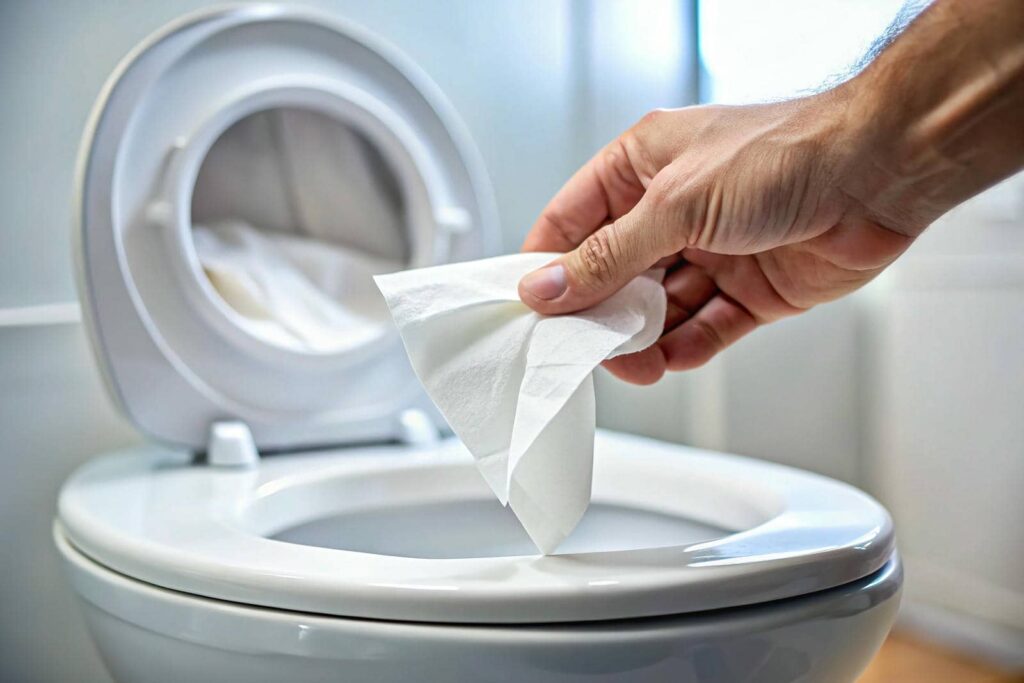
Solid waste accumulation is one of the most common causes of sewer blockages, affecting countless households. Your toilet habits play a vital role in preventing these issues. When you flush inappropriate items, like excessive toilet paper or sanitary products, you increase the risk of clogs.
It’s important to understand that your toilet isn’t a trash can; limiting what you flush can save you from significant plumbing headaches. Flushing issues arise when solid waste builds up in the pipes, narrowing the flow and leading to backups.
Regular maintenance, such as using enzyme cleaners, can help break down waste and keep your system running smoothly. Additionally, educating family members on proper flushing practices fosters a sense of community responsibility.
Foreign Objects
In addition to solid waste accumulation, foreign objects can also lead to severe sewer blockages. It’s crucial to be mindful of what goes down your drains, as certain items can cause significant issues.
Here are some common culprits:
- Excess toilet paper – While it dissolves, too much at once can overwhelm your system.
- Small toys – Kids’ toys can easily slip down the toilet, creating a blockage that’s hard to clear.
- Feminine hygiene products – These aren’t designed for flushing and can cause major clogs.
- Grease and oils – They solidify in pipes, trapping other debris and creating a blockage over time.
To maintain a healthy sewer system, always dispose of these items properly.
Preventing blockages saves you money and keeps your home’s plumbing running smoothly, fostering a sense of belonging in your living environment.
Pipe Deterioration
As your plumbing system ages, pipe deterioration can become a serious concern that leads to blockages. Over time, the effects of pipe corrosion and material degradation can compromise your home’s sewer lines.
Common materials like cast iron or PVC can weaken, allowing rust and debris to accumulate. This accumulation not only restricts flow but can also lead to complete obstructions.
You might notice slow drains or foul odors, indicating that deterioration is likely occurring. Regular inspections can help identify potential issues before they escalate.
If you’re experiencing persistent problems, it’s essential to consult a professional who can assess the condition of your pipes. They can recommend appropriate repairs or replacements, ensuring your plumbing system remains in good shape.
Frequently Asked Questions
How Can I Prevent Tree Roots From Invading My Sewer Lines?
To prevent tree roots from invading your sewer lines, install tree root barriers and maintain your sewer line regularly. Regular inspections help identify potential issues early, ensuring your plumbing system remains efficient and trouble-free.
What Are the Signs of a Sewer Blockage in My Home?
You might notice unusual odors wafting from your drains or experience slow drains when water struggles to flow. These signs indicate a potential sewer blockage, urging you to address the issue before it worsens.
Can I Use a Chemical Drain Cleaner to Fix Blockages?
You can use a chemical drain cleaner, but consider drain cleaner safety. Chemical drain alternatives might be safer for your plumbing and health. Always follow instructions carefully to avoid further damage or dangerous reactions.
How Often Should I Have My Sewer Lines Inspected?
Think of your sewer lines like a well-oiled machine. Scheduling inspections every 1-2 years ensures smooth operation and prevents costly repairs. Regular inspection frequency keeps your plumbing system functioning efficiently, giving you peace of mind.
What Should I Do if My Sewer Line Backs Up?
If your sewer line backs up, immediately stop using water. Call a plumber for emergency plumbing tips. Consider sewer backup solutions like drain cleaning or a video inspection to identify underlying issues and prevent future backups.
Summary
To keep your home’s sewer system functioning smoothly, remember to manage grease buildup, monitor for tree root infiltration, avoid flushing solid waste, keep foreign objects out, and address pipe deterioration promptly. By understanding these common causes, you can take proactive steps to prevent blockages and maintain your plumbing. Regular inspections and maintenance save you time and money and ensure your sewer system runs efficiently, protecting your home from potential disasters.