
Contents
If you’re dealing with recurring backups, slow drains, or sewer odors, your sewer line may have more than a routine clog. Damage often starts with corrosion, shifting soil, root intrusion, or trapped debris, and it can spread fast if you don’t address it. A licensed plumber can confirm the cause with a camera inspection and recommend a code-compliant repair or replacement. The key is knowing which symptoms point to what problem and what that means for your next step.
For homeowners in Spring Valley and throughout East San Diego County, recognizing these warning signs early can help prevent more extensive sewer line problems.
Key Takeaways
- Multiple slow drains, gurgling toilets, sewage odors, or floor drain backups often signal a main sewer line problem needing prompt evaluation.
- Common causes include root intrusion, corrosion, shifting soil, grease buildup, flushed debris, poor installation, and heavy surface loads.
- Sewer camera inspections and locating equipment identify blockages, cracks, offsets, and defect locations before repair decisions are made.
- Minor intrusion or buildup may be cleared with mechanical cutting or hydro jetting, while damaged joints or collapsed sections require repair or replacement.
- Prevent future problems with routine inspections, proper waste disposal, root management, approved pipe materials, and maintaining correct pipe grade.
Signs You May Need Sewer Line Repair
If your plumbing system starts behaving differently, it may be signaling a sewer line problem that needs prompt attention. You should watch for recurring drain backups, slow fixtures in multiple rooms, gurgling toilets, and sewage odors near drains or outdoors. These symptoms often indicate restricted flow or a damaged building sewer requiring professional evaluation.
You may also notice unusually green patches, soggy soil, foundation-adjacent settling, or pest activity around the yard.
Inside, rising water in floor drains or frequent low-level backups after normal use can point to drainage failure. When several signs appear together, don’t delay sewer line repair.
A licensed plumber can camera-inspect the line, confirm potential compliance concerns, and guide you toward the safest, most reliable next step for your home.
In Spring Valley and across East San Diego County, early evaluation can help identify whether a sewer problem is limited to a blockage or requires more extensive repair.
What Sewer Line Repair Fixes
Sewer line repair corrects the core failures that can compromise your system, including pipe cracks and breaks that affect flow and structural integrity.
It also addresses root intrusion damage, which can deform joints, restrict drainage, and accelerate pipe failure.
When you repair blockages and leaks promptly, you restore proper wastewater movement, protect surrounding soil, and reduce the risk of backups and contamination.
Pipe Cracks And Breaks
Because underground piping operates under constant soil pressure and wastewater flow, even small cracks or full pipe breaks can quickly lead to leaks, blockages, soil intrusion, and eventual line failure.
When your sewer pipe fractures, you may notice recurring backups, foul odors, soggy yard sections, or sinkholes forming above the line.
Professional repair restores system integrity and helps keep your property aligned with modern plumbing standards.
After a camera inspection confirms the damaged section, your contractor can recommend spot repair, sectional replacement, pipe bursting, or cured-in-place lining, depending on material condition and applicable requirements.
These methods stop wastewater loss, stabilize surrounding soil, and reestablish proper slope and flow capacity.
With timely service, you protect your home and help maintain a safer, more reliable plumbing system throughout Spring Valley.
Root Intrusion Damage
Tree roots can infiltrate a sewer line through a single loose joint, hairline crack, or deteriorated pipe wall, then expand as they absorb moisture and nutrient-rich wastewater.
As roots thicken, they displace pipe sections, deform alignment, and accelerate structural deterioration beneath your property.
You protect your home best with prompt, code-compliant evaluation. A licensed plumber can confirm intrusion with a sewer camera inspection, locate affected segments, and determine whether mechanical root cutting, hydro jetting, spot repair, pipe bursting, or cured-in-place lining fits the pipe material and damage extent.
In severe cases, excavation may be required to restore grade and joint integrity.
Blockages And Leaks
Watch for recurring clogs, slow drains, foul odors, wet spots in the yard, or unexplained increases in your water bill, since these symptoms often indicate a sewer line blockage or leak that needs professional repair.
When debris, grease, scale, or settled pipe sections restrict flow, wastewater can’t move at the required rate, increasing pressure and backup risk inside your home.
Leaks create another concern by allowing sewage to escape and groundwater to enter, which compromises sanitation and system performance.
A licensed plumber can confirm the defect with camera inspection and locate it accurately before completing hydro jetting, spot repair, pipe sealing, or section replacement.
These professional solutions restore flow, protect property, and keep your drain-waste-vent system operating safely.
Common Causes of Sewer Line Damage
Several factors can compromise a sewer line, and each one affects system performance in a different way. Age-related corrosion, shifting soil, freeze-thaw movement, and poor installation often lead to cracks, misaligned joints, or pipe separation.
If your line uses outdated materials, structural failure becomes more likely under normal service loads.
You may also face damage from grease buildup, flushed debris, or repeated hydrostatic pressure against weakened sections. Heavy traffic above the line can compress surrounding soil and deform the pipe, especially if bedding or slope doesn’t meet requirements.
In some homes, municipal backups or illegal cross-connections increase stress on the system and accelerate deterioration.
When you understand these causes, you’re better prepared to act early, protect your property, and work with qualified professionals on compliant, lasting repairs for long-term reliability.
How Tree Roots Damage Sewer Lines
You’ll often spot root intrusion by recurring drain backups, gurgling fixtures, slow flow, or unusually green patches above the line.
Roots invade when pipe joints, cracks, or aging materials release moisture that attracts growth and creates entry points.
To restore proper performance, you’ll need a professional inspection, targeted repair, and preventive measures like root control and pipe replacement when needed.
Root Intrusion Warning Signs
Why do sewer lines fail so often near mature trees? You’ll usually notice symptoms before a full blockage occurs. Slow drains in multiple fixtures, recurring toilet backups, and gurgling sounds often indicate partial obstruction in the building sewer.
Outside, watch for isolated soggy soil, unusually green strips of grass, or depressions along the pipe route. Those field signs can point to compromised joints or cracked pipe walls.
If root intrusion progresses, wastewater flow becomes restricted and solids collect faster, increasing backup risk and sanitation concerns. You may also smell sewer gas near cleanouts or indoors if traps are affected by pressure imbalance.
A licensed plumber can confirm intrusion with a sewer camera inspection, locate defects precisely, and recommend repair or replacement options that protect your home.
Why Roots Invade
Tree roots invade sewer lines for one practical reason: they follow moisture, oxygen, and nutrients escaping from tiny joint gaps, cracked hubs, or deteriorated pipe walls.
Once feeder roots locate that vapor trail, they exploit openings smaller than a coin and expand inside the pipe.
As roots thicken, you get displacement at joints, increased roughness along the interior wall, and debris capture that restricts flow capacity.
Clay, cast iron, Orangeburg, and aging PVC are especially vulnerable where settlement, corrosion, or improper bedding has stressed connections.
Seasonal drought can intensify intrusion because roots search harder for dependable water sources underground.
In Spring Valley and throughout East San Diego County, properties with mature trees and older sewer systems can face this type of gradual root intrusion.
Repair And Prevention
Once root intrusion takes hold, effective sewer line repair depends on confirming the extent of damage with a camera inspection, then matching the fix to the pipe’s condition.
If roots caused minor intrusion, your plumber may use mechanical cutting or hydro jetting to restore flow, followed by root-control treatment where appropriate. If joints failed or the pipe collapsed, trenchless pipe lining or full replacement may provide a longer-term correction.
You protect your system best with prevention. Schedule periodic inspections, especially if mature trees grow near older clay or cast-iron lines.
Replace vulnerable sections with approved materials, maintain proper grade, and avoid planting high-risk species near the sewer path.
When you work with licensed professionals, you can keep wastewater moving safely and reliably.
When a Clog Signals Sewer Line Damage
Although a single slow drain may point to a localized blockage, recurring clogs in multiple fixtures often signal damage in the main sewer line.
When toilets, tubs, and floor drains back up together, you’re likely dealing with restricted flow caused by pipe cracks, offsets, corrosion, or root intrusion. Those conditions reduce carrying capacity and can affect sanitary system performance.
You should treat repeated whole-home clogs as a system issue, not a fixture issue.
Temporary clearing may restore drainage briefly, but it won’t correct structural defects in the piping.
Warning signs often include gurgling, sewage odors, water backing up at the lowest drain, or waste returning after heavy use.
How Plumbers Diagnose Sewer Line Problems
Because sewer line failures can mimic ordinary drain issues, plumbers start with a structured diagnosis that verifies whether the problem is a blockage, a flow restriction, or a pipe defect. They review fixture symptoms, drainage patterns, and cleanout access to isolate the affected section before testing begins.
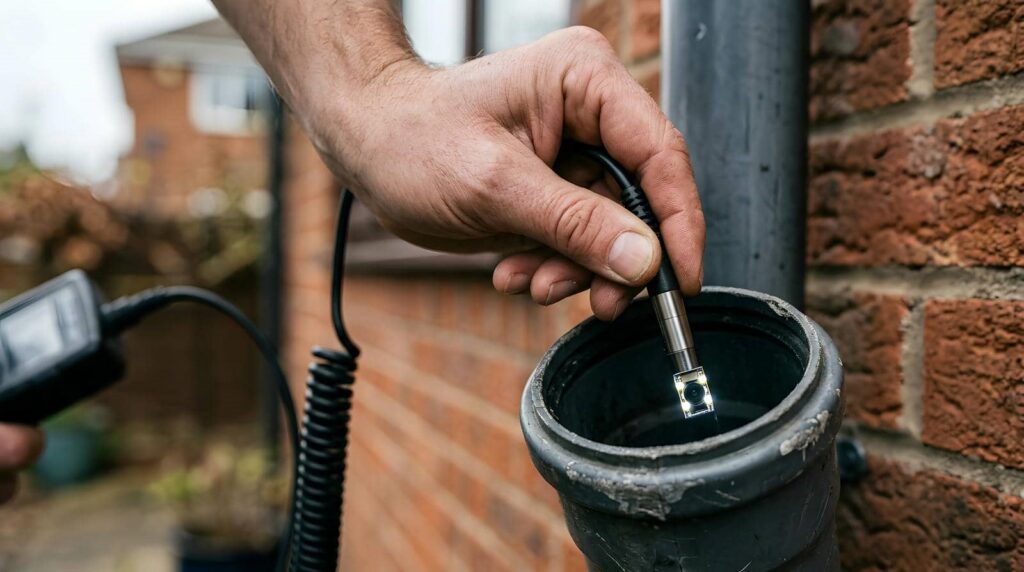
Next, your plumber performs staged flow tests, checks venting performance, and measures backup levels at the lowest fixtures. A sewer camera inspection confirms pipe condition, joint alignment, root intrusion, grease buildup, bellies, or cracks without guesswork.
If needed, they use locating equipment to map depth and position, helping you understand exactly where the defect sits. This process supports accurate recommendations and gives you confidence that your home’s drainage system is being properly evaluated.
For homeowners in Spring Valley, a professional inspection can help determine whether a sewer line issue requires cleaning, repair, or replacement.
Sewer Line Repair or Full Replacement?
After the camera inspection confirms the defect’s location and severity, your plumber can determine whether a targeted sewer line repair will restore proper flow or whether full replacement is the more reliable solution.
- Choose repair when damage is isolated, pipe grade remains correct, and surrounding sections still meet performance standards.
- Choose replacement when corrosion, offsets, repeated backups, or widespread root intrusion indicate system-wide failure.
- Verify local requirements, pipe material compatibility, slope, cleanout access, and connection integrity before approving work.
- Prioritize the option that protects capacity, limits future disruption, and supports long-term service life.
You deserve a recommendation based on evidence, not guesswork. A qualified plumber will match the scope to your pipe condition, site constraints, and applicable standards.
How Plumbers Repair Sewer Lines
Start with a verified diagnosis: plumbers repair sewer lines by locating the exact failure, confirming pipe material and diameter, and selecting a method that restores flow without violating applicable requirements.
You benefit from sewer camera inspection, electronic locating, and line testing before any excavation or trenchless work begins.
If the pipe is cracked, offset, or root-intruded, your plumber may hydro jet first, then restore the line with sectional spot repair, pipe bursting, or cured-in-place lining where permitted.
For collapsed sections, they’ll excavate only where necessary, replace damaged pipe, re-establish proper slope, and compact backfill appropriately.
After repair, they verify joints, perform flow testing, and document the work so your system drains reliably.
That process helps you feel confident your home’s plumbing is handled to professional standards.
What Affects Sewer Line Repair Cost?
Your sewer line repair cost depends first on how severe the damage is, because cracks, offsets, collapses, and root intrusion require different levels of correction.
You’ll also pay based on the repair method you choose, since spot repairs, pipe lining, and full replacement vary in labor, materials, and restoration requirements.
Pipe access conditions matter too, because depth, surface obstructions, and limited entry points can increase excavation time, equipment needs, and overall project cost.
Damage Severity Factors
Several key factors determine sewer line repair cost, and the most important is the extent of the damage. If your line has isolated cracks, you’ll usually face a smaller scope than you’d with collapsed sections, widespread corrosion, or long runs of root intrusion.
Severity also affects permitting, inspection requirements, and the urgency of stabilization.
- Depth matters because deeper lines require more labor, safety controls, and access planning.
- Length of affected pipe increases material quantities, inspection time, and overall project complexity.
- Soil conditions influence excavation stability, groundwater control, and pipe support needs.
- Location near foundations, driveways, or utilities raises protection requirements and risk management.
When you understand these variables, you’re better prepared to work with a qualified professional and choose a practical path forward.
Repair Method Choice
Once the damage profile is clear, the repair method often becomes the biggest cost driver. If your line qualifies for spot repair, sectional replacement, lining, pipe bursting, or full replacement, each option carries different labor, material, equipment, and inspection requirements.
Local requirements, pipe material, diameter, slope, and remaining service life also influence which method your contractor can recommend.
You’ll usually pay less when a compliant trenchless solution restores structural integrity without replacing the entire run. However, if offsets, collapses, or widespread deterioration prevent a lasting trenchless result, excavation and replacement may be the correct option.
A professional assessment helps you choose a repair that meets performance standards, protects your property, and supports reliable plumbing for the long term.
Pipe Access Conditions
Because access determines how crews reach, expose, and safely repair the damaged line, pipe access conditions often have a direct effect on sewer line repair cost. If your sewer runs beneath concrete, landscaping, fences, additions, or shared easements, your repair may require added labor, equipment, permits, and restoration.
- Deep burial usually means more excavation, shoring, and safety controls.
- Tight crawl spaces or limited yard entry can restrict machine access.
- Trees, utilities, and hardscapes often require careful locating and protection.
- Cleanout placement affects inspection speed, repair setup, and testing.
When access is straightforward, your plumber can work faster, limit disruption, and reduce restoration costs.
How to Prevent Sewer Line Damage
While sewer lines are built for long-term service, you can reduce the risk of damage by controlling what enters the system, monitoring drainage performance, and scheduling routine inspections.
Don’t flush wipes, grease, hygiene products, or debris that can create blockages and strain joints, fittings, and municipal connections over time.
You should also protect the line from external loads and root intrusion. Keep heavy vehicles off known pipe paths, manage irrigation to prevent soil movement, and avoid planting trees near buried piping.
If drains slow, gurgle, or back up, act early with a camera inspection and professional cleaning.
Routine maintenance helps your plumbing stay efficient and dependable.
With consistent habits and qualified service, you can help protect your home and support a healthier wastewater system throughout East San Diego County.
Frequently Asked Questions
Does Homeowners Insurance Cover Sewer Line Repair?
Usually, your homeowners insurance doesn’t cover sewer line repair unless a covered peril, like fire or vandalism, caused the damage. You’ll need to review exclusions, endorsements, and service-line coverage so your repair plan meets policy requirements.
How Long Does Sewer Line Repair Usually Take?
You can expect sewer line repair to take one to three days, though complex excavations or replacements can extend longer. You’ll get faster results when your contractor confirms access, permits, pipe condition, and inspection timing.
Can I Stay Home During Sewer Line Repairs?
Yes, you can usually stay home during sewer line repairs. If crews maintain appropriate access, ventilation, and sanitation, you generally won’t be displaced, though severe excavation or service shutdowns might require temporary relocation.
Are Permits Required for Sewer Line Repair Work?
Yes, you’ll usually need permits for sewer line repair, especially for excavation, replacements, or public connections. Your contractor should verify local requirements, schedule inspections, and keep your project compliant and safe.
Does Sewer Line Repair Increase Home Resale Value?
Yes, sewer line repair can increase your home’s resale value because buyers may place value on documented plumbing repairs, reduced risk, and maintained systems. Proper documentation can also support inspections and disclosures when you sell.
Final Thoughts
If you notice recurring backups, slow drains, or sewer odors, don’t wait. Hidden sewer defects can add major repair risk. You can protect your home with prompt camera inspections, appropriate repairs, and routine maintenance. Acting early helps you limit structural damage, control costs, and keep your wastewater system operating safely, efficiently, and reliably for the long term.


