Contents
Sewer line issues can often go unnoticed until they escalate, causing significant damage and costly repairs. By understanding the signs that indicate a problem, you can take proactive measures. Utilizing advanced diagnostic tools ensures an accurate assessment of your sewer system’s health. What techniques do professionals employ to identify and address these issues effectively? Exploring this can help you make informed decisions about your plumbing infrastructure.
Key Takeaways
- Utilize advanced tools like high-resolution cameras and drones for accurate, real-time inspections of sewer line conditions.
- Engage certified professionals who specialize in sewer diagnostics to ensure expertise and effective problem identification.
- Conduct regular maintenance and inspections to detect potential issues early, preventing costly repairs and extensive damage.
- Implement trenchless technology for non-invasive repairs, minimizing disruption and reducing overall repair costs.
- Prioritize hydro jetting as a proactive maintenance option to thoroughly clean pipes and enhance flow efficiency, preventing future blockages.
Understanding Common Sewer Line Issues
When you experience slow drains or unpleasant odors, it’s important to understand common sewer line issues that could be at play. One significant problem is tree root intrusion. As trees grow, their roots seek moisture, often infiltrating sewer lines, leading to blockages and severe damage.
The design of your sewage system plays a vital role in its vulnerability to such issues. A poorly designed system may lack sufficient depth or proper materials, increasing the risk of root penetration and other complications.
Regular maintenance and monitoring can mitigate these risks, helping you maintain a functional and efficient sewer line. Understanding these factors empowers you to take proactive measures, fostering a sense of community with others who prioritize home care.
Signs You Need Professional Sewer Line Diagnostics
If you’re experiencing frequent clogs or backups, it’s a clear indication that your sewer line needs attention.
Unpleasant odors and slow-draining fixtures can also signal underlying issues that require professional diagnostics.
Ignoring these signs may lead to more severe problems, so it’s essential to act promptly.
Frequent Clogs or Backups
Frequent clogs or backups in your plumbing system often signal deeper issues within your sewer line, necessitating professional diagnostics.
While you might employ various clog prevention methods, persistent problems indicate potential backup causes such as tree root intrusion, pipe deterioration, or accumulated debris.
These underlying issues can disrupt your daily life, leading to costly repairs if left unaddressed.
By recognizing the signs of malfunction early, you protect your home and foster a sense of community through shared knowledge.
Engaging with professionals ensures you receive the right solutions tailored to your specific situation.
Unpleasant Odors Present
Unpleasant odors permeating your home often indicate a serious issue within your sewer line that demands immediate attention.
These odors can stem from various odor causes, including broken sewer lines, blockages, or improper venting. When you encounter such smells, it’s essential to act quickly, as they may signal harmful gases like methane or hydrogen sulfide.
Professional sewer line diagnostics can pinpoint the exact source of the odor, ensuring you address the problem effectively.
Potential odor solutions may involve repairs or replacements of damaged pipes, clearing blockages, or enhancing your ventilation system.
Don’t ignore these warning signs; engaging experts protects your home and provides peace of mind for you and your loved ones.
Slow Draining Fixtures
When fixtures in your home drain slowly, it often signals underlying issues within your sewer line that require professional diagnostics.
Slow drains can indicate blockages, tree root intrusion, or pipe deterioration, all of which compromise your plumbing system’s efficiency. Regular fixture maintenance can help identify minor problems before they escalate, but persistent slow drainage suggests a more significant issue.
You might notice that multiple fixtures are affected, indicating a potential sewer line backup. Ignoring these signs can lead to costly repairs and further complications.
To ensure your home’s plumbing remains functional and hygienic, consult with a professional. They’ll provide the necessary diagnostics to determine the root cause of your slow drains and recommend effective solutions.
The Importance of Timely Sewer Line Maintenance
Timely sewer line maintenance is essential to prevent costly repairs that can arise from neglect.
By addressing issues early, you can greatly improve the efficiency of your system, ensuring it operates at its best.
Regular maintenance extends the lifespan of your sewer infrastructure and enhances overall functionality.
Prevent Costly Repairs
Regular sewer line maintenance is essential to preventing costly repairs down the line, as neglect can lead to severe damage and extensive repairs.
Engaging in preventative maintenance allows you to identify potential issues before they escalate, ensuring your system functions efficiently. Conducting a thorough cost analysis of routine inspections versus emergency repairs highlights significant savings in the long run.
By regularly evaluating the condition of your sewer lines, you can mitigate risks such as blockages, leaks, and structural failures. Additionally, timely interventions foster a sense of community responsibility and protect your investment in your property.
Don’t wait for a disaster; prioritize maintenance to safeguard your home and finances, ensuring peace of mind for you and your family.
Improve System Efficiency
Maintaining your sewer line is essential for optimizing its efficiency and preventing future complications. Regular inspections and timely maintenance help identify potential issues before they escalate, ensuring effective waste management.
By addressing clogs, leaks, or root intrusions promptly, you enhance system optimization, allowing wastewater to flow smoothly. This proactive approach reduces the risk of costly repairs and extends the lifespan of your sewer system.
When you invest in regular maintenance, you contribute to a healthier environment and minimize disruptions in your daily life. Keeping your sewer line in top condition fosters a sense of community responsibility, as well-maintained systems benefit everyone.
Prioritize timely maintenance to ensure your sewer line operates at peak efficiency.
Advanced Tools for Sewer Line Inspection
As sewer line issues can escalate quickly if left unchecked, employing advanced tools for inspection is essential for effective diagnostics.
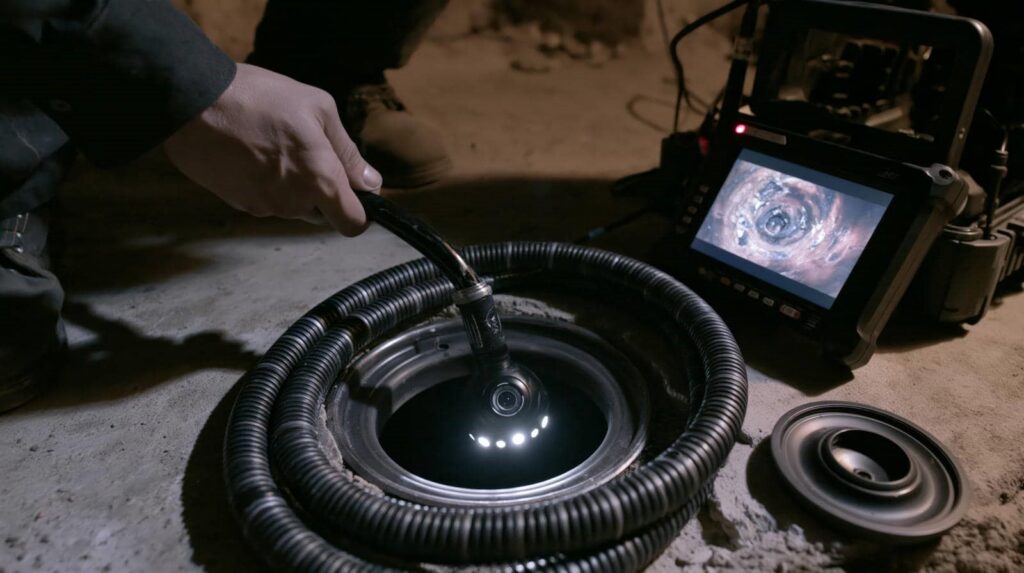
Utilizing camera technology allows you to visualize the internal condition of pipes without invasive procedures. These high-resolution cameras provide real-time footage, helping you identify blockages, cracks, or corrosion with pinpoint accuracy.
Additionally, drone inspections offer a unique advantage for hard-to-reach areas, allowing you to assess your sewer lines from above.
Equipped with specialized cameras, drones can navigate complex layouts and provide thorough overviews, saving you time and reducing labor costs.
Benefits of Hydro Jetting for Sewer Lines
While traditional methods of clearing sewer line blockages can be effective, hydro jetting offers a superior solution by utilizing high-pressure water streams to remove stubborn debris, grease, and tree roots.
One of the significant hydro jetting advantages is its ability to thoroughly clean pipes, restoring their original diameter and enhancing flow efficiency. This method eliminates blockages and prevents future issues, making it a proactive choice for homeowners.
In your cost effectiveness analysis, consider that hydro jetting can save you money in the long run. By reducing the frequency of repairs and minimizing the need for chemical treatments, it presents a more sustainable option.
Additionally, the quick and efficient nature of hydro jetting means less downtime for your plumbing system, allowing you to return to your daily routine faster. Embracing hydro jetting connects you with modern solutions that prioritize both efficiency and longevity in sewer line maintenance.
Effective Techniques for Sewer Line Repair
When it comes to sewer line repair, several effective techniques can restore functionality and prevent future complications.
Understanding these methods can empower you to make informed decisions for your property.
Trenchless Technology: This method minimizes disruption by allowing repairs without extensive digging, reducing both time and cost.
Pipe Relining: It involves inserting a liner into the existing pipe, creating a new, durable inner surface that seals leaks and prevents further damage.
Spot Repairs: For localized issues, you can perform targeted repairs on specific sections, saving resources while maintaining integrity.
Traditional Excavation: While more invasive, this technique is sometimes necessary for severe blockages or damage, providing direct access for thorough repairs.
Choosing the Right Professionals for Sewer Diagnostics
Effective sewer line repair relies heavily on accurate diagnostics, which is why selecting the right professionals is essential. When you’re facing sewer issues, you need experts who possess the necessary professional qualifications, ensuring they understand both the complexity of your system and the latest technologies.
Look for certifications in plumbing or sewer inspection, as these demonstrate a commitment to their craft.
In addition to qualifications, consider their use of advanced diagnostic techniques. Professionals who employ methods like video camera inspections or trenchless technology can pinpoint issues without invasive measures. This saves time and reduces the overall cost of repairs.
Ultimately, choosing the right professionals fosters a sense of security and belonging within your community. You’re not just hiring a service; you’re investing in a partnership that prioritizes your home’s integrity and your peace of mind.
Preventative Measures for Long-Lasting Sewer Lines
To ensure your sewer lines remain in ideal condition, implementing preventative measures is essential.
By taking proactive steps, you can notably extend the lifespan of your system and reduce unexpected issues.
Here are four key practices to review:
- Routine Inspections: Schedule regular assessments to identify potential problems early.
Professionals can pinpoint weaknesses in your pipes and recommend necessary repairs.
Quality Pipe Materials: Invest in durable materials, such as PVC or cast iron, which resist corrosion and damage over time, ensuring long-term reliability.
Proper Drain Usage: Avoid flushing inappropriate items down the toilet or pouring grease down the sink.
This helps maintain clear pathways within your lines.
- Tree Root Management: Be mindful of tree placement and regularly check for root intrusion, which can compromise pipe integrity.
Frequently Asked Questions
How Long Does a Typical Sewer Line Inspection Take?
A typical sewer line inspection takes about one to two hours. This inspection duration is essential for identifying issues early, ensuring your system runs efficiently, and preventing costly repairs down the line. You’ll appreciate the peace of mind.
What Are the Costs Associated With Sewer Line Diagnostics?
Sewer line diagnostics typically involve a cost breakdown of inspection fees, ranging from $100 to $400. Factors like location, complexity, and required technology influence these costs, ensuring you receive a thorough evaluation tailored to your needs.
Can Tree Roots Affect My Sewer Line?
Yes, tree root intrusion can greatly affect your sewer line, leading to potential sewer line damage. Roots seek moisture, infiltrating pipes and causing blockages, cracks, or even complete failures if not addressed promptly.
How Often Should I Schedule Sewer Line Inspections?
You should schedule sewer line inspections every 1 to 2 years as part of preventive maintenance. This frequency helps you identify potential issues early and ensures your system operates efficiently, promoting a sense of security for your home.
Are There DIY Methods for Diagnosing Sewer Line Issues?
Yes, you can use plumbing basics and diagnostic tools like a toilet auger, drain snake, or video inspection camera. These methods help you identify issues effectively, ensuring you maintain a healthy sewer line system.
Summary
Treating your sewer line like the lifeblood of your home ensures its longevity and efficiency. By recognizing common issues and engaging expert technicians equipped with advanced tools, you can preemptively address problems before they escalate. Regular maintenance acts as a shield, guarding against costly repairs down the line. Remember, a proactive approach to sewer line diagnostics isn’t just smart; it’s essential for maintaining the integrity of your plumbing infrastructure.