
Contents
Is it true that sewer line replacements can be both costly and complex? Understanding the various factors that influence expenses—like material choices and labor—can help you navigate this often overwhelming process. With options ranging from traditional methods to innovative techniques, knowing the right path for your situation is essential. The decisions you make now could save you time and money in the future, so it’s important to evaluate all aspects carefully.
Key Takeaways
- Evaluate different pipe materials like PVC, cast iron, and HDPE to understand their costs and longevity for replacement.
- Consider labor costs, which can vary by region and complexity of the property layout, impacting total expenses.
- Factor in local regulations and permit requirements that may add to the overall budget for sewer line replacement.
- Explore various replacement methods, such as traditional dig-and-replace, trenchless technology, and pipe lining, for cost efficiency and durability.
- Recognize signs of sewer line issues, such as frequent clogs or foul odors, to determine the need for replacement.
Understanding Sewer Line Replacement Costs
When considering sewer line replacement costs, what factors should you evaluate? Start by examining the pipe material types, as they greatly impact both longevity and price. Common materials include PVC, cast iron, and HDPE, each with unique characteristics affecting installation costs.
Additionally, think about the age and condition of your current system; older pipes may necessitate more extensive and costly repairs.
Implementing regular sewer maintenance tips can also help reduce future expenses. For instance, scheduling routine inspections can catch problems early, potentially delaying the need for a full replacement.
Moreover, consider the complexity of your property layout, as challenging access can lead to higher labor costs.
Ultimately, understanding these elements will empower you to make informed decisions and better prepare for potential sewer line replacement costs, ensuring your home remains safe and functional for years to come.
Factors Influencing Replacement Expenses
While you may focus on the immediate costs of replacing a sewer line, several key factors greatly influence the overall expenses.
Understanding these factors can help you make informed decisions within your budget considerations.
Material Choices: The type of materials you select, such as PVC or cast iron, can markedly impact your costs.
Labor Costs: Different regions have varying labor rates, which can affect your total expenditure.
Access and Location: If the sewer line is buried deep or in a hard-to-reach area, the replacement may require more time and resources.
Permits and Regulations: Local regulations may necessitate permits, which can add to your budget.
Common Replacement Options Available
After considering the various factors that influence replacement expenses, it’s important to explore the common options available for sewer line replacement. You’ll find several materials and installation techniques to choose from, each with its own advantages.
Here’s a quick comparison:
| Material | Installation Technique | Benefits |
|---|---|---|
| PVC | Trenching | Lightweight, cost-effective |
| Cast Iron | Traditional Digging | Durable, long-lasting |
| HDPE | Pipe Bursting | Minimal disruption, flexible |
| CIPP (Cured-in-Place) | Lining | Quick installation, less invasive |
Cost Comparison of Different Replacement Methods
Understanding the costs associated with different replacement methods is essential for making an informed decision about your sewer line.
Evaluating various options helps you assess cost efficiency and method durability. Here’s a quick comparison:
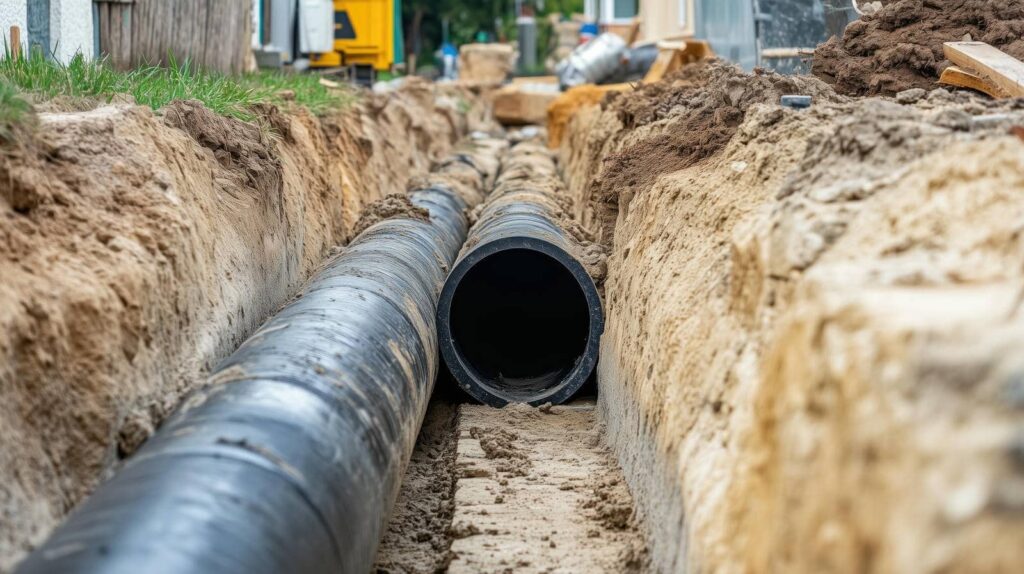
Traditional Dig-and-Replace: Often the most expensive due to labor and extensive yard disruption, but highly durable.
Trenchless Technology: More cost-effective in the long run, with minimal digging. It offers good durability but may have higher upfront costs.
Pipe Lining: This method can be less intrusive and offers decent cost efficiency. However, its durability may not match that of traditional methods.
Spot Repair: This is the cheapest option, ideal for minor issues, but its durability can be questionable if the surrounding pipes are aging.
Signs You May Need a Sewer Line Replacement
Are you noticing frequent clogs, strange odors, or water pooling in your yard? These could be critical signs that you may need a sewer line replacement. Sudden backups and slow drainage often indicate underlying issues. Unusual noises from your plumbing can also signal a problem, possibly due to tree roots invading your pipes or pipe corrosion.
| Symptoms | Possible Causes | Recommended Action |
|---|---|---|
| Frequent clogs | Tree roots or corrosion | Inspect sewer line |
| Foul odors | Blockages or leaks | Check for leaks |
| Water pooling | Broken or collapsed pipes | Consider replacement options |
Ignoring these signs can lead to more severe issues and costly repairs. If you recognize any of these symptoms, it’s important to assess your sewer line’s condition promptly to avoid further complications.
Choosing the Right Professional for Replacement
When choosing a professional for replacement, it’s essential to assess their qualifications and experience to ensure they’ve the necessary expertise.
Additionally, comparing cost estimates from multiple providers can help you make an informed decision.
Finally, verify that the professional holds the appropriate licenses and insurance to protect yourself from potential liabilities.
Assessing Qualifications and Experience
How do you determine the right professional for your replacement needs? Start by conducting a qualifications assessment and experience evaluation to verify that the professional aligns with your project.
Here are four key factors to evaluate:
Certifications: Verify relevant certifications that demonstrate expertise in their field.
Portfolio: Review past projects to gauge the quality and style of their work.
References: Contact previous clients to learn about their experiences and satisfaction levels.
Communication Skills: Assess how effectively they explain processes and address your concerns.
Comparing Cost Estimates
When evaluating potential professionals for your replacement project, comparing cost estimates is crucial to ensuring you make an informed decision.
Start by gathering multiple cost estimations from different contractors. This will provide a clearer picture of the market rates and help you identify any outliers.
Pay attention to the details included in each estimate; a lower price might indicate fewer included services or inferior materials. Align these estimates with your budget planning to ensure they reflect your financial capabilities.
Verifying Insurance and Licenses
Have you confirmed that your chosen contractor carries the necessary insurance and licenses? Ensuring proper insurance validation and license verification is essential for protecting yourself and your property.
Here’s what you should check:
Insurance Coverage: Confirm they’ve liability and workers’ compensation insurance.
State Licenses: Verify that they hold valid licenses specific to your state and project type.
Bonding Status: Check if they’re bonded, which provides additional financial protection.
Reputation: Research online reviews and testimonials to gauge their reliability.
Preventative Measures to Avoid Future Costs
To effectively mitigate future costs associated with replacements, implementing preventative measures is essential. Regular inspections can help identify potential issues before they escalate into costly repairs or replacements. By conducting these inspections, you extend the lifespan of your assets and promote a culture of responsibility and care within your environment.
Incorporating a robust preventative maintenance schedule is vital. This means checking off tasks while ensuring each component operates at peak performance. It’s about creating a proactive approach to maintenance, which ultimately saves you time and money.
Additionally, educating yourself and your team about the importance of these measures fosters a sense of belonging and shared responsibility. When everyone understands their role in maintaining equipment and facilities, it cultivates a supportive atmosphere, reducing the likelihood of unexpected costs.
Final Thoughts
In the intricate landscape of sewer line replacement, knowing your options can feel like maneuvering through a maze. By weighing costs, materials, and methods, you can steer clear of costly pitfalls. Picture your property transformed, free from the disruptions of outdated systems. With regular maintenance and inspections, you can safeguard your investment and ensure smooth sailing ahead. Choosing the right professional is the compass that’ll guide you through this process, leading to informed decisions and lasting peace of mind.


