
Contents
When it comes to home drain inspections, having the right tools can make all the difference. You’ll find that a video inspection camera provides clear visuals, while a drain snake is essential for clearing clogs. A pipe inspection robot offers maneuverability in tight spaces, and high-pressure water jets tackle stubborn blockages with ease. Curious about how these tools work together to ensure a reliable drainage system? Let’s explore each one in detail.
Key Takeaways
Video Inspection Camera: Provides high-resolution visuals and recording capability for non-invasive plumbing assessments, enhancing visibility in dark pipes with adjustable LED lighting.
Pipe Inspection Robot: Offers real-time footage with flexible maneuvering, ensuring accurate diagnostics while saving time during inspections of tight spaces.
Drain Snake: Essential for clearing clogs, available in various types like hand and power augers, tailored for different plumbing scenarios.
High-Pressure Water Jet: Efficiently removes stubborn blockages using powerful jets, restoring flow without damaging plumbing infrastructure, ideal for regular maintenance.
Mirrors and Proper Lighting: Enhance visibility in hard-to-reach areas during inspections, facilitating thorough assessments and ensuring potential issues are not overlooked.
Video Inspection Camera
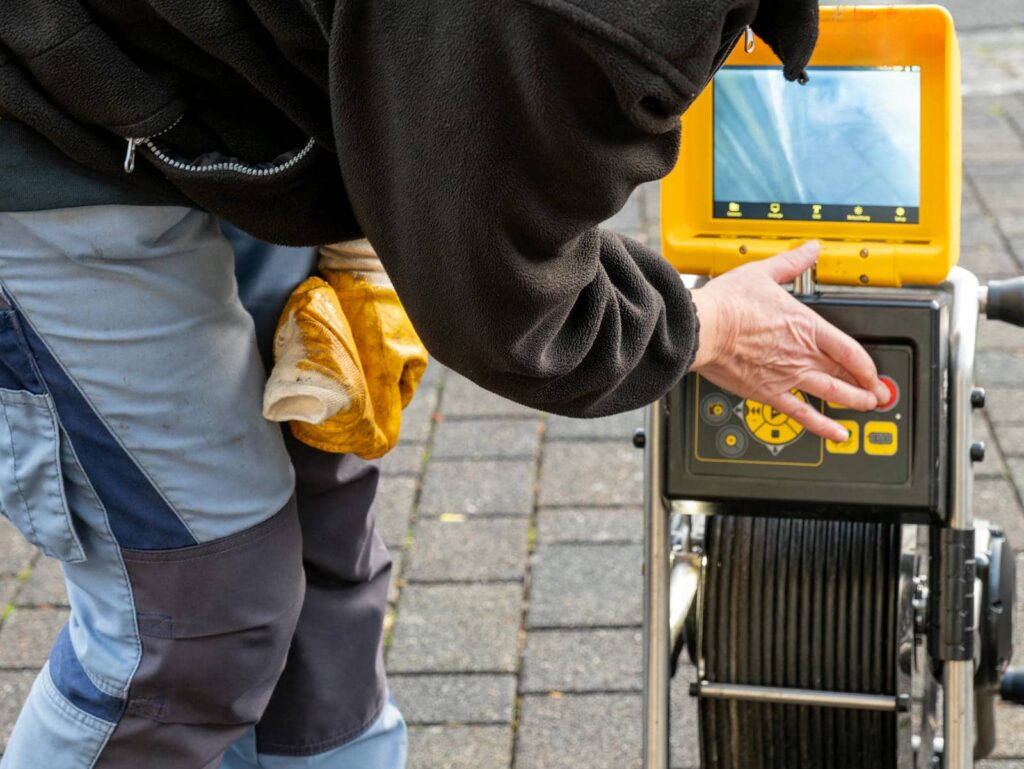
A video inspection camera is a powerful tool that allows you to peer deep into your home’s plumbing system without invasive methods. With its high-resolution video quality, you can clearly view blockages, cracks, or leaks that might be hidden from sight.
When you’re choosing a camera, look for features like adjustable LED lighting, which enhances visibility in dark pipes, and the ability to record footage for further analysis. Many models also offer flexible cables that can navigate through bends and turns in your plumbing, giving you a thorough view of the entire system.
Drain Snake
When you encounter a clogged drain, a drain snake becomes an essential tool for clearing blockages.
You’ll find various types of drain snakes, each designed for specific situations and levels of obstruction.
Understanding the operating techniques for these tools can greatly enhance your efficiency in tackling drain issues.
Types of Drain Snakes
Drain snakes come in various types, each designed to tackle specific clogging scenarios in your plumbing system.
The most common drain snake types include the hand auger, ideal for small clogs in sinks and tubs, and the power auger, which excels at clearing tougher blockages in larger pipes.
Another option is the toilet auger, specifically crafted to navigate toilet bends without damaging the porcelain.
For professional-grade cleaning, consider a motorized snake, which provides significant torque and reach.
Each of these tools offers effective cleaning tailored to your needs. By selecting the right drain snake type, you can confidently address plumbing issues, ensuring your home’s drainage system functions smoothly and efficiently.
Operating Techniques Explained
While using a drain snake can seem intimidating at first, mastering the proper operating techniques can make the process efficient and effective.
Start by inserting the snake into the drain until you feel resistance. This often indicates a clog. Rotate the handle clockwise to engage the auger, allowing it to penetrate the blockage. Use steady pressure to push through the obstruction, employing troubleshooting techniques like pulling back slightly if you encounter excessive resistance.
When you feel the clog break free, withdraw the snake slowly while continuing to rotate it. This ensures that debris doesn’t re-clog your drain.
Regular drain maintenance using these techniques can prevent future issues, making you feel more confident in handling household plumbing challenges.
Pipe Inspection Robot
As you tackle home drain issues, employing a pipe inspection robot can greatly enhance your diagnostic capabilities. This advanced robotic technology enables you to navigate tight spaces and inspect your pipes with precision. Equipped with high-resolution cameras, it captures real-time footage, allowing you to identify blockages, cracks, or other issues that are hard to detect manually.
Here’s a quick comparison to illustrate the benefits:
| Feature | Pipe Inspection Robot |
|---|---|
| Camera Quality | High-resolution |
| Mobility | Flexible maneuvering |
| Data Collection | Real-time footage |
| Operation Ease | User-friendly controls |
| Diagnostic Accuracy | High precision |
Using a pipe inspection robot saves time and provides peace of mind, knowing you have a reliable tool to assess your plumbing system effectively. Embrace this technology, and enjoy a more thorough home drain inspection experience.
High-Pressure Water Jet
A high-pressure water jet is an important tool for clearing stubborn blockages in your home’s plumbing system. This powerful equipment uses high-pressure applications to blast away debris, grease, and tree roots that can cause major clogs. By directing a concentrated stream of water through your pipes, you effectively restore flow without damaging the plumbing infrastructure.
To maximize its efficiency, regular equipment maintenance is vital. Always inspect hoses and nozzles for wear and tear, and verify the pressure settings are appropriate for your specific needs. Familiarizing yourself with the operational guidelines will enhance safety and performance.
When you invest in a high-pressure water jet, you’re not just acquiring a tool; you’re joining a community that values proactive home maintenance. This equipment empowers you to take control of your plumbing issues, ensuring a smoothly functioning drainage system that benefits your entire household.
Drain Auger
When tackling stubborn clogs, understanding the different types of drain augers can greatly enhance your effectiveness.
You’ll want to familiarize yourself with proper usage techniques to ensure you’re using the right tool for the job.
Mastering these concepts will help you clear drains efficiently and safely.
Types of Drain Augers
While plumbing issues can arise unexpectedly, knowing the different types of drain augers available can help you tackle clogs more effectively. Here’s a quick overview of the most common types:
| Type | Description | Best For |
|---|---|---|
| Manual Auger | Hand-operated, flexible cable. | Small clogs in sinks |
| Electric Auger | Motorized, powerful, long reach. | Tough clogs in pipes |
| Toilet Auger | Specifically designed for toilets. | Toilet blockages |
Manual augers are great for minor issues, while electric augers can handle tougher clogs. Toilet augers are your go-to for bathroom blockages. Understanding these options will empower you to choose the right tool for your plumbing needs.
Proper Usage Techniques
Before you start using a drain auger, it’s essential to understand the proper techniques to maximize its effectiveness and minimize potential damage.
First, always wear safety goggles and gloves to protect yourself from debris and sharp edges.
Begin by inserting the auger gently into the drain, avoiding excessive force. As you turn the handle, maintain a steady pressure to allow the auger to navigate bends without getting stuck. Once you feel resistance, continue turning to break up the clog.
After use, clean the auger thoroughly to prevent rust and ensure peak tool maintenance. Regularly inspect your auger for wear and tear to prolong its lifespan.
Following these safety precautions and maintenance tips will enhance your experience and effectiveness.
Moisture Meter
A moisture meter is an essential tool for accurately evaluating the moisture levels in various materials, particularly in the context of home drain inspections. This device provides precise moisture detection, allowing you to identify potential issues before they escalate into costly repairs.
When using a moisture meter, you’ll want to focus on areas around drains, walls, and floors where water intrusion may occur. By measuring the moisture content, you can assess whether your home is at risk for mold growth or structural damage.
Regular use of a moisture meter is crucial for proactive home maintenance, helping you maintain a healthy living environment. Getting familiar with your moisture meter’s settings and features will enhance your inspection skills.
Inspection Mirrors
Inspection mirrors are indispensable tools for home drain inspections, allowing you to see hard-to-reach areas behind pipes and fixtures. These mirrors enhance your inspection techniques by providing clear visibility in tight spaces, essential for identifying potential blockages or damage.
You’ll find various mirror types, including telescopic, flexible, and angled mirrors, each designed for specific scenarios. Telescopic mirrors extend your reach, while flexible mirrors can navigate complex bends. Angled mirrors let you view corners and surfaces that are otherwise obstructed.
When using these mirrors, ensure proper lighting to maximize visibility and accuracy. Position the mirror strategically to capture the best angle, allowing for a thorough inspection.
Final Thoughts
Using these seven essential tools for home drain inspections is like equipping a surgeon with the right instruments for a successful operation. Each tool plays a vital role in diagnosing and treating issues within your drainage system. By investing in a video inspection camera, drain snake, and high-pressure water jet, you ensure your home’s plumbing remains healthy and efficient. With the right approach, you can prevent minor problems from becoming major headaches down the line.


