
Contents
A slow drain might seem small, but it can quietly set the stage for pipe damage, foul odors, backups, and expensive repairs. When water lingers, your plumbing system is already signaling restricted flow, pressure changes, or buildup that won’t correct itself. If you ignore it, a minor maintenance issue can turn into a service call fast. The real concern is what that sluggish drain may already be telling you. For homeowners in Spring Valley and throughout East San Diego County, recognizing these warning signs early can help prevent more serious plumbing problems.
Key Takeaways
- Slow drains signal restricted plumbing flow that can worsen into full clogs, backups, and disruptive household plumbing failures.
- Ignoring a slow drain increases pressure in pipes, raising the risk of leaks, cracked sections, and costly water damage.
- Lingering wastewater from slow drains can create foul odors, unsanitary conditions, and potential health concerns inside the home.
- Recurring slow drains often point to deeper problems like grease buildup, root intrusion, scale, venting issues, or damaged pipes.
- Early professional inspection and proper cleaning resolve the cause, restore drainage speed, and help prevent expensive future repairs.
Why a Slow Drain Is a Warning Sign
Although a sink or tub may still empty, a slow drain is an early warning that flow is already restricted somewhere in the line. You shouldn’t treat that delay as minor.
Reduced flow increases pressure on connected piping, traps more residue, and shortens the time before normal drainage becomes a full stoppage.
When you respond early, you protect your plumbing system and your household routine. A fixture that drains slowly often signals declining performance within a branch line, trap, or venting path.
If you ignore it, wastewater can linger longer, odors can intensify, and backups become more likely during daily use.
Timely slow drain repair helps restore proper velocity, supports system reliability, and keeps your home in Spring Valley functioning like the well-maintained space everyone depends on every day.
What Usually Causes Slow Drains
You’ll usually trace a slow drain to hair and soap buildup in bathroom lines, grease and food waste in kitchen drains, or hidden pipe damage and root intrusion farther down the system.
If you identify the source early, you can prevent added restriction, pressure, and wastewater backup.
When the problem points to damaged piping or roots, you’ll typically need professional drain repair for a reliable long-term fix.
Hair and Soap Buildup
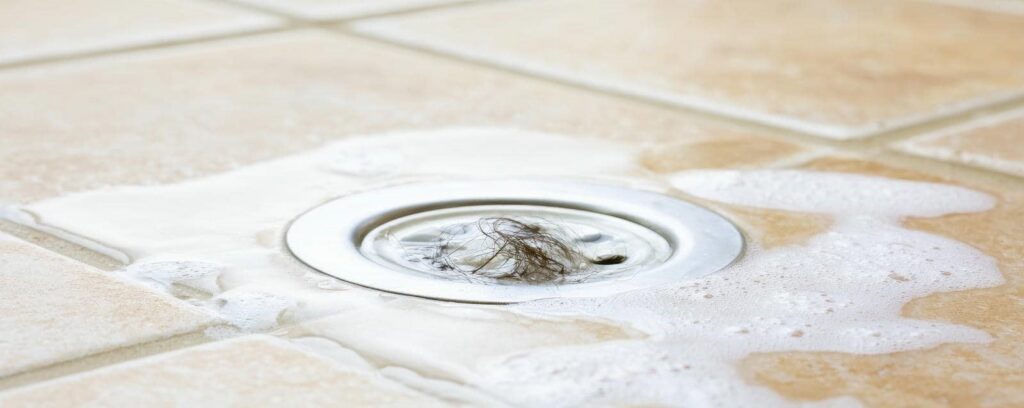
When hair slips into your drain, it catches on rough pipe surfaces and combines with soap residue to form a sticky blockage that restricts water flow. As strands accumulate, they trap lint, mineral particles, and grooming residue, narrowing the pipe’s internal diameter and slowing drainage in showers, tubs, and bathroom sinks.
You can reduce buildup by installing a drain screen, brushing hair before washing, and removing visible debris weekly.
Soap bars often worsen clogs because fatty ingredients bind with hard-water minerals and leave stubborn scale behind. If you notice recurring backups, standing water, or foul odors after cleaning, the obstruction may sit deeper in the line.
That’s when your home benefits from professional drain repair. A plumber can clear compacted buildup safely, inspect pipe condition, and help your household prevent future slow-drain problems together.
Grease and Food Waste
Kitchen drains often slow down for a different reason: grease, oils, and food scraps coat the inside of the pipe and create a narrowing that traps more debris over time.
Even hot water won’t solve it, because grease cools and hardens farther down the line. Starchy foods, coffee grounds, eggshell fragments, and fibrous scraps also cling to residue and build dense blockages.
You can reduce buildup by scraping plates into the trash, collecting cooking grease in a container, and using sink strainers consistently.
If your kitchen sink keeps gurgling, draining slowly, or backing up after careful habits, the accumulation may already be compacted beyond simple cleaning.
That’s when professional drain repair becomes the smarter long-term fix, because your plumbing team can clear the restriction fully and help your household keep the system flowing reliably in Spring Valley and throughout East San Diego County.
Pipe Damage or Roots
Although clogs often form inside the drain itself, slow drainage can also point to damaged piping or tree roots entering the line through small cracks, loose joints, or aging sections.
As roots expand, they trap debris, restrict flow, and worsen structural weakness. Cracked or offset pipes can also create low spots where waste and water collect instead of moving properly.
If you notice recurring backups, gurgling, or multiple slow drains, your sewer line may need professional inspection. A camera inspection helps you confirm whether corrosion, shifting soil, or root intrusion is causing the problem.
Early drain repair can prevent a full collapse, sewage exposure, or repeated blockages. In a well-maintained home system, you protect your plumbing by acting early, scheduling repairs, and keeping the entire line functioning safely and reliably.
When You Can Fix a Slow Drain Yourself
You can usually fix a slow drain yourself when the problem is minor and limited to one fixture.
Start with simple remedies like removing visible debris, flushing with hot water, or using a plunger to clear a shallow blockage.
If the drain improves quickly and you don’t notice recurring backups, odors, or multiple slow fixtures, that’s a strong sign the issue isn’t severe.
Simple DIY Remedies
When a drain starts moving slowly, a few targeted DIY steps can often restore normal flow before a minor blockage turns into a pipe repair. Start by removing the stopper or strainer and clearing trapped hair, soap residue, or food debris.
Then flush the line with hot, not boiling, water to soften buildup clinging to pipe walls.
Next, use a sink or cup plunger to create short, controlled bursts of pressure that dislodge material without stressing joints.
If flow still lags, feed a plastic drain snake into the opening and rotate it to pull out residue.
Finish by rinsing thoroughly and reinstalling the cover securely.
These simple habits help you protect your plumbing system and keep your home running smoothly.
Signs It’s Minor
If the slowdown affects only one fixture and developed recently, you’re likely dealing with a minor surface-level clog rather than a deeper drain line problem.
That usually means hair, soap film, grease, or food particles are restricting flow near the drain opening or trap, not farther down the branch line.
You can also treat it as minor when there’s no sewage odor, no gurgling from nearby fixtures, and no backup in other sinks, tubs, or toilets.
Water should still drain, just more slowly than normal. In many homes, that points to a localized obstruction you can clear with cleaning, a plunger, or a hand auger.
Act early, and you’ll protect your plumbing system, avoid spreading buildup, and handle a common issue many homeowners in Spring Valley and throughout East San Diego County successfully manage themselves.
Why Chemical Cleaners Worsen Slow Drains
Although chemical drain cleaners promise a quick fix, they often worsen slow drains by attacking the symptom instead of removing the actual blockage. Their corrosive formulas can soften older pipes, damage seals, and leave behind partially dissolved grease that hardens farther down the line.
You deserve a home system that works reliably, not a cycle of temporary relief and hidden damage.
- You feel frustrated when water still pools after a “solution.”
- You risk pipe wear that turns a small clog into a costly repair.
- You expose your household to harsh fumes and splash hazards.
- You miss the real cause, like buildup, scale, or trapped debris.
Instead, use strainers, flush with hot water when appropriate, and schedule professional inspection when slow drainage keeps returning in your home.
When a Slow Drain Becomes an Emergency
A slow drain stops being a minor nuisance once it shows signs of a developing backup or pipe failure. If water rises into nearby fixtures, returns after draining, or carries a sewage odor, you’re no longer dealing with simple buildup. Those symptoms point to a blocked branch line, venting problem, or main line restriction that can spread quickly through your home.
You should also treat recurring clogs, gurgling after every use, or damp areas around drains as urgent warning signs. They can indicate pressure imbalance, hidden leakage, or corrosion weakening the pipe wall.
In a home in Spring Valley, one neglected drain can affect everyone’s routines and sanitation. Acting early protects flooring, cabinets, and indoor air quality while reducing the chance of contaminated water escaping where your household gathers every day.
When to Call a Plumber for a Slow Drain
Once a drain stays slow after basic cleaning or starts clogging again within days, you should call a plumber. Recurring backups usually signal buildup deeper in the line, pipe misalignment, venting problems, or early sewer issues.
If multiple fixtures drain slowly, gurgle, or smell foul, the problem likely extends beyond one trap. A professional inspection helps you protect your home, avoid water damage, and stay ahead of costly failures.
- You notice repeat clogs and feel frustrated because your usual fixes no longer work.
- You hear gurgling and worry that the blockage is spreading through shared lines.
- You smell sewage and know your household shouldn’t live with that risk.
- You see slow drains in several rooms and realize it’s time to bring in trusted help.
How Plumbers Repair Slow Drains
After a plumber confirms the problem goes beyond a simple trap clog, the repair starts with locating the restriction and identifying why it formed.
You’ll usually see a drain camera inspection, which shows whether grease, scale, roots, or a damaged pipe is slowing flow.
From there, your plumber matches the repair to the actual defect. They may clear buildup with a professional auger or hydro jetting, then retest drainage to confirm full flow.
If the camera reveals offset joints, cracked sections, or root intrusion, you’ll need a sectional repair or pipe replacement instead of repeated cleaning.
In some homes, plumbers also correct poor slope or venting problems that keep fixtures draining sluggishly.
That targeted approach matters because you’re not getting a temporary guess. You’re getting a repair your plumbing system can rely on in Spring Valley and throughout East San Diego County.
How to Prevent Slow Drains From Returning
Because most slow drains return when the underlying cause stays in the line, prevention starts with controlling what enters the system and maintaining proper flow conditions.
You can protect your home’s plumbing by using strainers, avoiding grease, and flushing lines with hot water only when materials allow. Schedule routine inspections if your system is older or has recurring buildup.
- Use drain screens so hair, food scraps, and debris never gain a foothold.
- Keep fats, oils, and grease out because they cool, harden, and trap solids fast.
- Watch warning signs early. Gurgling, odors, and standing water mean your household should act together.
- Call a professional for recurring issues since hidden scale, root intrusion, or damaged pipe walls need lasting repair solutions. This keeps your system dependable for everyone.
Frequently Asked Questions
Can Hard Water Make Drains Slower Over Time?
Yes, hard water can slow your drains over time. Mineral scale narrows pipe walls, traps debris, and restricts flow. You’ll protect your plumbing best by descaling early and calling professionals when buildup keeps returning.
Do Slow Drains Affect Home Resale Value?
Yes, slow drains can lower your home’s resale value because buyers notice hidden plumbing risks. You’ll protect value by addressing buildup, pipe damage, or sewer issues early, and you’ll often need professional drain repair.
Can Tree Roots Cause Indoor Slow Drains?
Yes, if you think roots only affect yard lines, you’re missing a common cause. They infiltrate sewer laterals, restricting flow and causing indoor slow drains. You should schedule camera inspection and targeted repair before recurring blockages worsen.
Are Slow Drains Covered by Homeowners Insurance?
Usually, you won’t get coverage for slow drains because insurers classify them as maintenance issues, not sudden damage. You should review your policy, document symptoms, and call a plumber if recurring clogs suggest pipe failure.
Why Do Slow Drains Smell Worse in Humid Weather?
Like a damp sponge, your slow drains smell worse in humid weather because moisture amplifies sewer gases and bacterial growth. You’ll reduce odors by clearing buildup early, but recurring smells usually mean you need professional drain repair.
Conclusion
Ignore a slow drain, and you invite a Trojan horse into your plumbing system: hidden buildup, rising pressure, and damage that doesn’t stay small for long. If you act early, you can clear minor blockages, avoid harsh chemicals, and know when professional equipment is needed. By treating sluggish drainage as a warning, not a nuisance, you protect your pipes, prevent emergencies, and keep wastewater moving as your home’s plumbing should: cleanly, safely, and without costly surprises.


