
Contents
When you encounter a bathroom clog, knowing the right techniques for removal can save you time and frustration. From simple plunging to the use of specialized tools, various methods exist to tackle these common plumbing issues. Understanding the effectiveness and limitations of each approach is essential. Are you prepared to explore the most efficient ways to handle clogs and determine when you might need to seek professional help?
Key Takeaways
- Use a plunger to dislodge minor clogs by creating air pressure in the drain.
- Employ a drain snake to reach and clear deeper blockages effectively.
- Pour hot water down the drain to dissolve grease and soap buildup.
- Create a natural cleaner by combining baking soda and vinegar for thorough cleaning.
- Use chemical drain cleaners cautiously to break down tough debris when necessary.
Understanding the Causes of Bathroom Clogs
While you may not think about it often, understanding the causes of bathroom clogs is essential for effective prevention and removal.
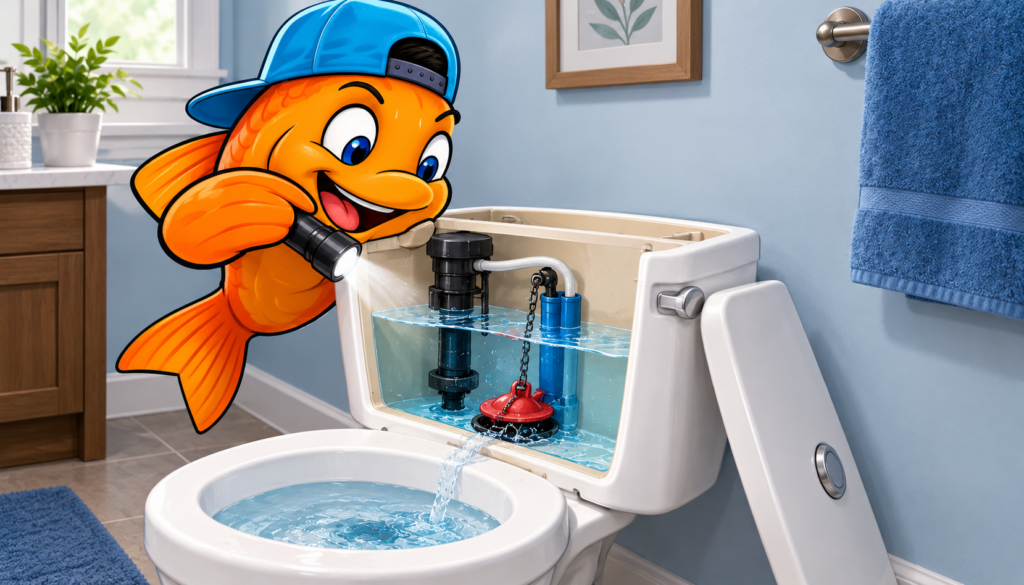
Toilet obstructions often arise from the accumulation of foreign objects, excessive toilet paper, or even a malfunctioning flapper valve. You should be mindful of what goes into your toilet to minimize these issues.
In showers, hair, soap scum, and mineral buildup can lead to poor shower drainage, causing water to back up. Regularly cleaning your shower and using a drain cover can greatly reduce these blockages.
Being aware of these common causes helps you take proactive steps to maintain your bathroom plumbing. By addressing potential problems early on, you can ensure a smoother bathroom experience for yourself and your household.
Basic Tools for Clog Removal
To effectively tackle bathroom clogs, you’ll need a few essential plumbing tools and drain cleaning supplies.
Familiarizing yourself with these items will streamline the removal process and enhance your efficiency.
Additionally, don’t overlook the importance of safety equipment to protect yourself during the task.
Essential Plumbing Tools
When tackling a bathroom clog, having the right plumbing tools at your disposal can make all the difference. To ensure efficient plumbing maintenance, you should invest in essential tools and maintain proper tool organization. Here’s a quick reference table to help you identify must-have items:
| Tool | Purpose | Tips for Use |
|---|---|---|
| Plunger | Clear blockages | Use with a firm, steady push |
| Drain Snake | Remove deep clogs | Feed it slowly to find the blockage |
| Bucket | Collect excess water | Keep it nearby for easy access |
| Pipe Wrench | Tighten or loosen pipes | Ensure a secure grip to avoid slipping |
Equipping yourself with these tools can simplify your clog removal process and keep your bathroom in top shape.
Drain Cleaning Supplies
Having the right drain cleaning supplies is essential for effectively tackling clogs in your bathroom.
Start with a plunger, a fundamental tool that utilizes air pressure to dislodge blockages. Next, consider using drain cleaners, which come in liquid or gel forms; these chemical solutions break down debris and can save time.
A plumber’s snake is also invaluable, allowing you to reach deeper clogs that standard tools can’t address. Additionally, having a wet/dry vacuum can help remove water and debris quickly.
Familiarize yourself with various cleaning techniques, as each method can be tailored to specific types of clogs. By equipping yourself with these supplies, you’ll be well-prepared to handle any bathroom blockage efficiently.
Safety Equipment Needed
Alongside having the right drain cleaning supplies, ensuring your safety during clog removal is essential. First, invest in quality gloves to protect your hands from harsh chemicals and debris. Gloves prevent skin irritation and reduce the risk of cuts and scrapes.
Next, don’t overlook eye protection; safety goggles shield your eyes from splashes and harmful substances that may escape during the unclogging process. Additionally, consider a face mask if you’re dealing with particularly unpleasant odors or dust.
These basic safety measures create a safer working environment, allowing you to focus on the task at hand without unnecessary worry. Remember, taking these precautions fosters a sense of community responsibility and care in DIY home maintenance.
Chemical Drain Cleaners: Pros and Cons
When you consider using chemical drain cleaners, it’s crucial to weigh their effectiveness against potential environmental impacts.
These products can quickly clear stubborn clogs, but their harsh chemicals may pose risks to both plumbing systems and ecosystems.
Understanding these pros and cons will help you make an informed decision for your bathroom maintenance.
Effectiveness on Clogs
While chemical drain cleaners can offer a quick solution for stubborn clogs, their effectiveness varies considerably based on the type of blockage and the cleaner used. For minor clogs, these products often work well, breaking down hair and soap residue.
However, for severe clogs, especially those caused by foreign objects, their efficacy diminishes. You might find that some cleaners are more aggressive, potentially damaging your pipes if used repeatedly.
To enhance your success, consider combining chemical treatments with effective prevention strategies, such as regular maintenance and avoiding flushing inappropriate items.
Ultimately, understanding the clog severity and the limitations of your chosen cleaner can make a significant difference in your bathroom’s plumbing health.
Environmental Impact Concerns
Although chemical drain cleaners can provide quick relief for clogged drains, their environmental impact raises significant concerns.
These products often contain harsh chemicals that can harm aquatic life and contaminate groundwater. When you pour these substances down the drain, they do not just disappear; they can create long-term damage to ecosystems.
Fortunately, there are environmental alternatives that you might consider. Eco-friendly solutions, such as baking soda and vinegar, effectively break down clogs without the toxic aftermath.
Using these methods protects the environment and promotes a safer home for you and your family. By choosing eco-friendly solutions, you contribute to a more sustainable future while effectively managing your plumbing issues.
Mechanical Methods: Plungers and Snakes
Mechanical methods like plungers and snakes are essential tools for tackling stubborn bathroom clogs. You’ll find that mastering effective plunger techniques can make a significant difference.
Start by ensuring a good seal around the drain and use firm, rapid thrusts to create pressure that pushes the clog free. If plunging doesn’t work, it’s time to evaluate snake usage. A drain snake can reach deeper clogs that plungers can’t budge.
Insert the snake into the drain, turning the handle to break through blockages. You may need to push and pull to dislodge the obstruction effectively. Both methods require a bit of practice, but they’re invaluable skills that can save you from costly plumbing bills.
Natural Remedies for Clog Removal
After trying mechanical methods like plungers and snakes, you might want to explore natural remedies for clog removal.
One effective approach involves using a baking soda and vinegar solution. Start by pouring about half a cup of baking soda down the drain, followed by half a cup of vinegar. Allow this mixture to fizz for about 30 minutes, then flush it with hot water to help clear the clog.
If you prefer a gentler option, enzyme cleaners work wonders on organic materials without damaging your pipes. These cleaners break down waste and buildup over time. Simply follow the manufacturer’s instructions for the best results.
Lastly, regularly pouring hot water down your drain can help prevent clogs from forming. This simple practice keeps your pipes clear of grease and soap residue, contributing to a smoother flow.
When to Call a Professional Plumber
How can you tell when it’s time to call a professional plumber? Recognizing the signs of urgency is essential for maintaining your bathroom’s functionality.
If you’ve tried basic clog removal techniques without success, it’s time to intervene. Persistent clogs might indicate deeper issues in your plumbing system, such as tree root infiltration or damaged pipes.
Another sign is the presence of foul odors, which can signal a blockage or sewage backup. If water backs up in multiple fixtures or you notice gurgling sounds, these are red flags you shouldn’t ignore.
Additionally, if you’ve experienced recurring clogs, it’s a sign that a professional should assess the situation to prevent further damage.
Wrap-Up
Effectively tackling bathroom clogs requires a mix of tools and techniques tailored to the blockage’s severity. Whether you’re plunging like a seasoned athlete or using a snake to reach deeper issues, knowing your options is key. Natural remedies can be just as powerful as mechanical methods, providing a safer alternative. If your efforts don’t yield results, don’t hesitate to call a professional plumber, as sometimes the best solutions are like a well-timed intervention.