Contents
Think of your drains as the veins of your home, carrying away unwanted waste. When clogs occur, they can cause significant disruption. Knowing the right techniques for effective drain cleaning can save you time and money. From manual snaking to eco-friendly solutions, various methods exist to address these common issues. But what’s the best approach for your specific situation? Let’s explore the options and help you make an informed decision.
Key Takeaways
- Use manual snaking techniques to break through clogs by inserting a flexible tool and rotating it to clear blockages effectively.
- Employ hydro jetting for heavy blockages, utilizing high water pressure for thorough cleaning without harmful chemicals.
- Apply eco-friendly methods like baking soda and vinegar to tackle minor clogs naturally and safely.
- Regularly flush drains with hot water or natural solutions to prevent build-up and maintain clear drainage pathways.
- Schedule professional inspections at least once a year to catch potential issues early and ensure effective drain cleaning.
Understanding Common Drain Issues
Drain problems often stem from a buildup of debris, grease, or foreign objects obstructing the flow. Understanding these common drain issues is vital to maintaining a healthy plumbing system.
When you encounter drain clogs, you might notice slow drainage or unpleasant odors. These clogs can lead to significant problems if left untreated, potentially causing pipe deterioration over time.
It’s important to identify the source of the blockage early. In kitchens, grease from cooking can accumulate, while hair and soap scum are common culprits in bathrooms. Regularly inspecting your drains can help you catch these issues before they escalate.
You’ll want to reflect on preventive measures, such as using drain screens and avoiding the disposal of unsuitable items. By staying proactive, you protect your pipes and foster a sense of belonging in your home—ensuring everything runs smoothly for you and your family.
Manual Snaking Techniques
One effective method for clearing stubborn clogs is using a manual snake, a flexible tool designed to navigate through pipes. By employing a drain auger, you can tackle various blockages with precision.
Here’s how to effectively use a manual snake:
Select the Right Cable Length: Choose a cable length that matches your plumbing needs; longer cables reach deeper clogs.
Insert the Snake: Carefully feed the snake into the drain until you feel resistance, indicating a clog.
Rotate the Handle: Turn the handle clockwise to help the auger break through the blockage. This motion allows the cable to grab debris effectively.
Withdraw and Clean: Once the clog is cleared, slowly pull the snake out while cleaning it off before storing it.
Hydro Jetting for Heavy Blockages
Hydro jetting utilizes powerful water pressure to effectively clear heavy blockages in your drainage system.
This technique removes stubborn obstructions while remaining safe for your pipes, minimizing the risk of damage.
With hydro jetting, you can achieve quick and thorough blockage removal, ensuring your plumbing functions smoothly.
Powerful Water Pressure
When faced with heavy blockages, powerful water pressure can be your best ally in restoring proper drainage. High-pressure systems, like hydro jetting, deliver a robust and effective clean, ensuring your drains are free from stubborn clogs.
Here are some key drain cleaning benefits of using powerful water pressure:
Thorough Cleaning: High-pressure jets remove grease, mineral buildup, and debris.
Fast Results: This method works quickly, saving you time and hassle.
Long-Term Solutions: Regular hydro jetting can prevent future blockages.
Environmentally Friendly: It uses only water, with no harmful chemicals involved.
Embracing powerful water pressure for drain cleaning enhances your plumbing system and fosters a sense of community by sharing effective maintenance practices.
Safe for Pipes
Utilizing powerful water pressure for drain cleaning offers immediate results and prioritizes the integrity of your pipes. Hydro jetting is a safe method that effectively tackles heavy blockages while ensuring pipe safety. This eco-friendly solution uses high-pressure water jets to dislodge stubborn debris without damaging your plumbing system.
| Benefits of Hydro Jetting | Details |
|---|---|
| Pipe Safety | Gentle yet effective cleaning |
| Eco-Friendly | No harmful chemicals used |
| Versatility | Works on various blockages |
| Long-lasting Results | Prevents future clogs |
| Quick Setup | Minimal downtime for you |
Quick Blockage Removal
Clogged drains can disrupt your daily routine, but hydro jetting offers a swift solution for clearing heavy blockages.
This powerful technique uses high-pressure water to blast away stubborn debris, outperforming traditional methods like plunger techniques or a drain auger.
Here’s how hydro jetting works:
Assessment: A professional evaluates the blockage and drain condition.
Preparation: The area is cleared, and safety measures are implemented.
Hydro Jetting: High-pressure water streams are directed into the pipes, dislodging clogs.
Inspection: Post-cleaning, a camera may be used to verify that the drain is clear.
Chemical Drain Cleaners and Their Use
When addressing clogs, you’ll find various types of chemical drain cleaners available, each formulated for specific blockages.
It’s essential to understand the safety precautions required when using these products, as they can be hazardous if not handled properly.
Types of Chemical Cleaners
There are several types of chemical drain cleaners available, each designed to tackle specific types of blockages and buildup in your plumbing system.
Understanding these options helps you choose the right solution for your needs. Here are four common types:
Acidic Cleaners: Effective for dissolving tough clogs caused by grease, hair, and soap scum.
Alkaline Cleaners: Great for organic matter and food waste, they work by saponifying fats.
Enzymatic Cleaners: Biodegradable options that use natural enzymes to eat away at organic blockages.
Caustic Cleaners: Powerful for heavy-duty clogs, but should be used with caution due to their harsh nature.
Selecting the right type ensures effective cleaning while maintaining your plumbing’s integrity.
Safety Precautions Required
Using chemical drain cleaners can be effective, but safety precautions are vital to prevent accidents and injuries.
Always wear protective gear, including gloves, goggles, and a mask, to shield yourself from harmful chemicals. Ascertain that the area is well-ventilated to avoid inhaling toxic fumes.
Before you begin, familiarize yourself with emergency procedures in case of spills or accidental contact. Keep a first aid kit close at hand, and know how to respond if chemical exposure occurs.
Store chemical cleaners out of reach of children and pets, and never mix different products, as this can create dangerous reactions.
Baking Soda and Vinegar Method
One popular and effective method for clearing minor clogs involves the combination of baking soda and vinegar. This natural approach helps clear your drains while also being eco-friendly.
To use this method effectively, follow these steps:
Measure: Use a 1:1 ratio of baking soda and vinegar. Typically, ½ cup of each works well.
Pour: Start by pouring the baking soda directly into the drain.
Add Vinegar: Follow with the vinegar. You’ll notice fizzing, which indicates a reaction that helps break down clogs.
Wait: Let the mixture sit for about 30 minutes. This allows the solution to work on loosening debris.
Finally, flush the drain with hot water to clear any remaining residue.
This simple method can be a game-changer, providing a sense of accomplishment while maintaining a clean and functional drainage system.
Using a Plumber’s Camera for Inspection
Sometimes, homeowners face persistent drainage issues that a simple cleaning method can’t resolve. In such cases, using a plumber’s camera for inspection can be a game-changer. This technique allows you to pinpoint the problem without invasive methods.
| Camera Benefits | Inspection Techniques | Outcome |
|---|---|---|
| Detects blockages quickly | Visualize pipe interiors | Identify issues early |
| Saves time and money | Record for future reference | Plan effective solutions |
| Minimally invasive | Assess pipe condition | Reduce repair costs |
| Improves accuracy | Navigate complex systems | Enhance repair precision |
| Increases transparency | Share findings with homeowners | Build trust and understanding |
Preventative Maintenance Strategies
After identifying drainage issues with a plumber’s camera, the next step is to implement preventative maintenance strategies that can keep your plumbing system in peak condition.
Regular drain maintenance can save you from costly repairs down the line. Here are four effective strategies:
Schedule Regular Plumbing Inspections: Have a professional inspect your plumbing system at least once a year to catch potential issues early.
Use Drain Screens: Install screens over drains to catch hair, food particles, and debris, preventing clogs before they start.
Flush Drains Monthly: Pouring hot water or a mixture of vinegar and baking soda down your drains can help dissolve minor build-up and keep things flowing smoothly.
Avoid Chemical Cleaners: Using harsh chemical cleaners can damage pipes over time; opt for natural alternatives or professional services instead.
When to Call a Professional Drain Service
Knowing when to call a professional drain service can save you time and prevent further damage to your plumbing system. If you’re experiencing persistent drain odors or slow drainage that doesn’t improve with DIY methods, it’s essential to seek expert help. Ignoring these signs can lead to more severe issues, like burst pipes or extensive blockages, which can be costly to repair.
Additionally, if you notice multiple drains in your home are backing up simultaneously, this may indicate a more significant problem requiring professional intervention.
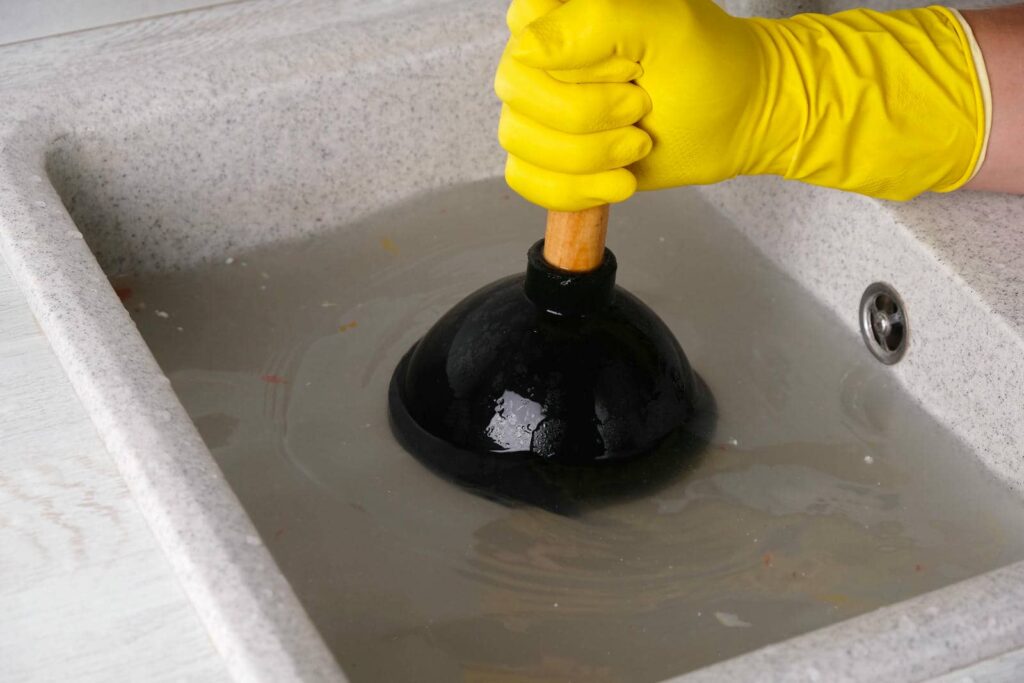
Don’t hesitate to reach out if you’ve tried plunging or using chemical cleaners without success; these methods can sometimes exacerbate the issue.
A professional drain service addresses the immediate problem and helps identify underlying causes, ensuring your plumbing system operates efficiently.
Trusting experts with advanced tools and techniques can restore peace of mind as you maintain a healthy home environment.
Frequently Asked Questions
How Often Should I Clean My Drains to Prevent Clogs?
You should clean your drains at least twice a year, ensuring proper drain maintenance frequency. Schedule a seasonal drain checkup to address potential issues early, preventing clogs and maintaining ideal drainage performance in your home.
What Are the Signs of a Serious Drain Issue?
If you notice foul drain odors or experience slow drainage, it’s time to pay attention. These signs often signal deeper issues lurking beneath the surface, like clogs or damaged pipes, that need immediate professional assessment.
Can I Use Homemade Solutions for Drain Cleaning?
Yes, you can use homemade remedies for drain cleaning. Common natural ingredients like baking soda, vinegar, and salt effectively break down clogs. Just make sure you follow proper ratios for the best results and safety in your plumbing system.
Is Drain Cleaning Necessary for New Plumbing Systems?
You might think new plumbing doesn’t need drain cleaning, but regular maintenance actually prevents future clogs and costly repairs. Embracing drain maintenance benefits now ensures your system runs smoothly for years to come.
What Tools Do I Need for Basic Drain Cleaning?
For basic drain cleaning, you’ll need essential plumbing tools like a plunger, a drain snake, and a drain auger. These tools help you effectively tackle clogs, ensuring your plumbing system runs smoothly and efficiently.
Conclusion
In the world of drain cleaning, think of your plumbing as a river—smooth and flowing when cared for, but easily dammed by debris. By mastering techniques like manual snaking, hydro jetting, and eco-friendly solutions, you’re not just clearing clogs; you’re nurturing the lifeblood of your home. Regular maintenance acts as a gentle rain, washing away buildup and ensuring a steady current. When all else fails, don’t hesitate to call in the professionals to restore harmony to your plumbing system.