
Contents
When it comes to drain jetting, understanding the fundamentals is essential for achieving optimal outcomes. You’ll need to select the right equipment and prepare the drain properly before starting the jetting process. Additionally, managing water pressure effectively is key to tackling various blockages. However, it’s not just about the technique; safety precautions and post-jetting maintenance play significant roles as well. Let’s explore these aspects in detail to ensure your approach is both efficient and safe.
Key Takeaways
- Select the appropriate jetting equipment and nozzles to match the specific type of blockage and drain size for optimal effectiveness.
- Prepare the drain by clearing debris and inspecting for visible issues to prevent damage and ensure efficient jetting.
- Utilize high-pressure water jets between 1,500 and 4,000 psi for effective clearing and cleaning of drains.
- Follow safety precautions by wearing proper PPE and conducting a site safety assessment before starting the jetting process.
- Schedule regular post-jetting inspections and maintenance to monitor system performance and address potential issues early.
Understanding the Basics of Drain Jetting
When you encounter a clogged drain, understanding the basics of drain jetting can help you effectively resolve the issue.
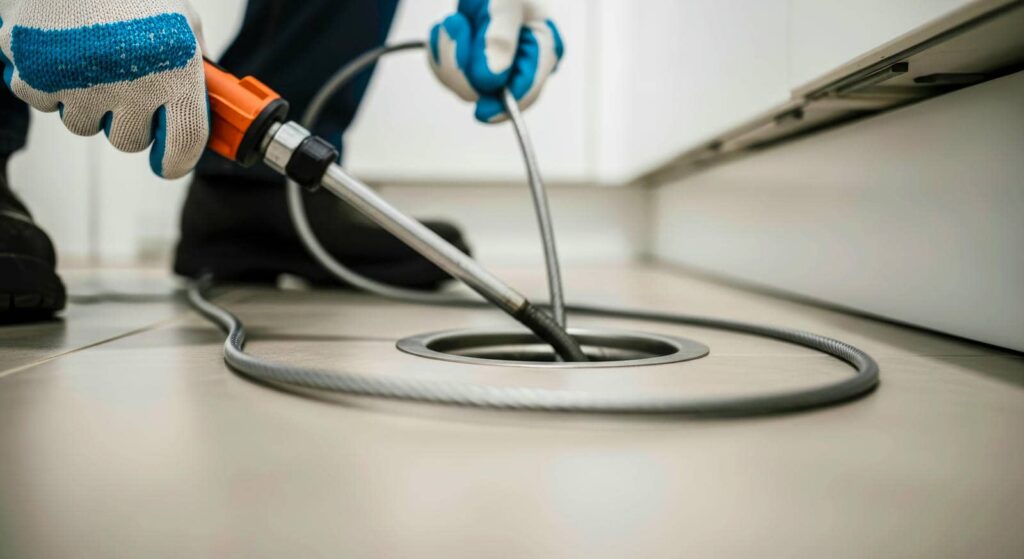
Drain jetting is an advanced drain technology that utilizes high-pressure water jets to clear blockages and clean pipes. This method employs specialized equipment, typically a jetting machine, which generates water at pressures ranging from 1,500 to 4,000 psi.
You’ll find that various jetting methods exist, including rotating nozzles that enhance cleaning efficiency by scouring pipe walls.
The process removes debris and helps in maintaining the overall health of your drainage system.
Choosing the Right Equipment for Jetting
Choosing the right equipment for jetting is vital for achieving ideal results in drain cleaning. You’ll find various equipment types designed for specific applications, so it’s important to assess your needs.
High-pressure jetters are commonly used, offering flexibility in tackling different blockages. When selecting a jetter, consider the pressure and flow rate, which directly impact cleaning efficiency.
In addition to the jetter itself, don’t overlook the importance of jetting accessories. Nozzle types, for example, play a significant role in directing water flow and maximizing cleaning power. Different nozzles can handle tough clogs or clear roots effectively.
Always verify your equipment is compatible with the size and type of the drain you’re working on.
Preparing the Drain for Jetting
Before you start jetting, it’s essential to prepare the drain properly to ensure effective cleaning and prevent any potential damage. Begin by clearing any accessible debris around the drain entrance. This step ensures that nothing obstructs your equipment and facilitates efficient clog removal. Next, inspect the drain for any visible issues, like cracks or sagging sections, which could worsen with high-pressure water.
| Step | Action | Purpose |
|---|---|---|
| Clear Debris | Remove any visible obstructions | Ensures a smooth jetting process |
| Inspect the Drain | Look for cracks or damage | Prevents further complications |
| Check Equipment | Verify jetting equipment is ready | Maximizes drain cleaning efficiency |
Techniques for Effective Water Pressure Management
To achieve ideal results during drain jetting, managing water pressure is essential for effective cleaning and preventing damage.
Start by evaluating the type of blockage you’re facing; this will guide your water flow requirements. For softer clogs, maintain a lower pressure, while tougher blockages may necessitate a higher pressure adjustment.
When you begin jetting, gradually increase the pressure to avoid overwhelming the system. Monitor the pressure gauge closely—consistent adjustments will help maintain peak performance. If you notice any resistance, reduce the pressure to prevent pipe damage.
Additionally, confirm the nozzle used is appropriate for the job; different nozzles can alter water flow and pressure.
By mastering these techniques, you’ll enhance your drain jetting efficiency, leading to cleaner pipes and fewer issues down the line.
Safety Precautions During Jetting
When you’re preparing for drain jetting, prioritizing safety is essential.
Always wear appropriate personal protective equipment (PPE) to shield yourself from potential hazards.
Additionally, conduct a thorough site safety assessment to identify risks and ensure a secure working environment.
Personal Protective Equipment
Though drain jetting can effectively clear blockages, it also poses significant risks, making personal protective equipment (PPE) essential.
To ensure your safety and adhere to safety standards, don’t skip on the protective gear. Here are four vital items you should always wear during jetting:
Safety goggles: Protect your eyes from debris and high-pressure water.
Gloves: Use waterproof, chemical-resistant gloves to shield your hands.
Hard hat: Prevents head injuries from falling objects in the work area.
Steel-toed boots: Safeguard your feet from heavy equipment and potential impacts.
Site Safety Assessment
Conducting a thorough site safety assessment is critical before starting drain jetting operations.
First, identify potential site hazards, such as unstable ground, nearby traffic, or exposed utilities. Perform a detailed risk assessment to evaluate these hazards and determine appropriate mitigation measures.
Make certain all team members are aware of the identified risks and understand safety protocols. Establish a clear emergency plan, including evacuation routes and first-aid procedures.
Additionally, maintain effective communication among team members during the operation. Regularly review safety practices and update your risk assessment as needed.
Post-Jetting Maintenance and Inspection
After drain jetting, maintaining the integrity of your plumbing system is essential for long-term functionality.
Implementing a diligent post-jetting maintenance schedule ensures your system remains in prime condition. Pay attention to the following key areas:
Post Jetting Observations: Regularly inspect for any signs of leaks or blockages that may arise after jetting.
Routine Inspections: Schedule periodic checks to evaluate the condition of pipes and joints.
Cleaning: Remove any debris or buildup that may accumulate, even after jetting.
Documentation: Keep a detailed record of maintenance activities and observations to track the system’s performance over time.
Troubleshooting Common Jetting Issues
Even with diligent post-jetting maintenance, issues can sometimes arise during or after the drain jetting process. When you encounter problems, implementing effective troubleshooting methods is vital.
First, check for blockages; even high-pressure jetting techniques can fail if debris remains. Inspect your equipment for malfunctions, such as nozzle clogs or pressure drops, which can compromise performance.
If water flow seems inadequate, verify that your jetting machine is operating at the correct PSI—too low, and it won’t clear the line effectively. Additionally, consider the angle and direction of your jetting techniques; improper positioning can lead to ineffective cleaning.
Finally, if you notice persistent odors or slow drainage post-jetting, revisit your inspection routine.
It’s essential to engage with others in the field to share experiences and solutions, fostering a sense of community while enhancing your troubleshooting skills.
Frequently Asked Questions
How Often Should I Schedule Drain Jetting Services?
You should schedule drain jetting services at least once a year for ideal drain maintenance. If you notice frequent clogs, consider increasing the plumbing frequency to twice a year to prevent major issues.
Can Drain Jetting Damage My Plumbing System?
No, drain jetting won’t damage your plumbing system if done correctly. You’ll enjoy the benefits of effective plumbing maintenance, clearing stubborn clogs while preserving your pipes. Just ensure a professional handles the job to avoid mishaps.
What Types of Blockages Can Drain Jetting Clear?
Drain jetting can effectively clear various blockages, including stubborn tree roots and grease buildup. It uses high-pressure water to dislodge these obstructions, ensuring your plumbing system flows freely and functions efficiently.
Is Drain Jetting Safe for Older Pipes?
Yes, drain jetting can be safe for older pipes, like clay or cast iron, provided you’re cautious. Proper pressure adjustments prevent damage, ensuring your drain age issues get resolved without compromising pipe integrity.
How Much Does Drain Jetting Typically Cost?
Drain jetting typically costs between $100 and $500, depending on factors like pipe condition, blockage severity, and service providers. You’ll want to get quotes from several companies for the best value and service.
Recap
In the world of drain jetting, mastering these techniques is your golden ticket to success. By carefully selecting your equipment and prepping the drain, you’ll pave the way for a smooth operation. Remember, safety’s your steadfast companion, and regular inspections post-jetting will keep your system humming like a well-tuned engine. Embrace these strategies, and you’ll tackle blockages effectively and ensure your plumbing will remain in peak condition for years.


