Contents
When it comes to drain cleaning, you might be surprised at how effective hydro jetting can be. By using high-pressure water jets, you can tackle stubborn clogs that traditional methods often miss. Understanding the different techniques and equipment used can make a significant difference in the results you achieve. From residential to commercial applications, knowing how to target specific blockages will enhance your approach. Curious about which methods yield the best results and how to choose the right specialist for your needs? Let’s explore these essential aspects further.
Key Takeaways
- Pre-Inspection: Utilize video camera inspection to identify blockage type before hydro jetting, ensuring targeted and effective treatment.
- Pressure Adjustment: Adjust water pressure between 1,500 and 4,000 psi based on the characteristics of the blockage for optimal dislodging.
- Nozzle Selection: Use various nozzle designs, such as rotating and flat jet nozzles, to effectively tackle different types of clogs.
- Residual Clearing: After dislodging blockages, clear residual materials to enhance drainage performance and prevent future issues.
- Routine Maintenance: Implement regular hydro jetting as part of annual maintenance to extend the plumbing system lifespan and reduce clog recurrence.
What Is Hydro Jetting?
When it comes to effective drain cleaning, hydro jetting stands out as a powerful technique that utilizes high-pressure water jets to clear blockages and restore flow in plumbing systems. This method is particularly useful for tackling stubborn clogs caused by grease, tree roots, or mineral deposits, making it a favorite among professionals.
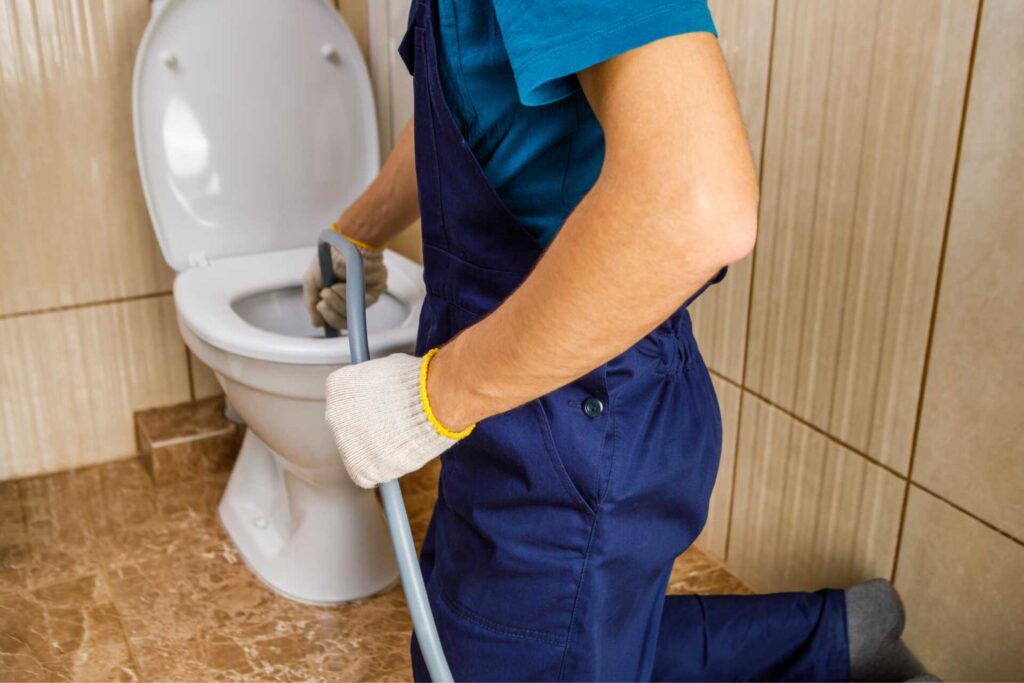
The hydro jetting process involves several key steps. First, a plumber conducts a thorough inspection of your plumbing system using a video camera. This allows them to assess the extent of the blockage and determine if hydro jetting is the best solution. Once the assessment is complete, a specialized hose with a high-pressure nozzle is inserted into the drain. The plumber then releases water at pressures ranging from 1,500 to 4,000 psi, effectively dislodging debris and flushing it away.
One of the notable hydro jetting benefits is its ability to clear existing blockages and prevent future ones. By thoroughly cleaning the walls of your pipes, it removes buildup that could lead to future clogs. Additionally, hydro jetting is an environmentally friendly option, as it uses only water without harsh chemicals.
Understanding the hydro jetting process and its capabilities empowers you to make informed decisions about your plumbing needs. It’s a reliable and efficient method that can considerably improve the performance of your plumbing system, ensuring you enjoy smooth and hassle-free drainage.
Benefits of Hydro Jetting
Although some plumbing methods only address immediate issues, hydro jetting offers a thorough solution that tackles both current clogs and potential future problems. By utilizing high-pressure water streams, this technique clears blockages and cleans the pipes, ensuring a smoother flow for the long term.
Here are three key benefits of hydro jetting:
Effective Cleaning: Hydro jetting removes stubborn grease, mineral buildup, and debris that traditional methods might miss. This thorough cleaning prolongs the life of your plumbing system.
Prevention of Future Issues: By eliminating the root causes of clogs, you reduce the likelihood of recurring problems. Hydro jetting helps maintain a clear passage for waste, minimizing the need for frequent repairs.
Environmental Benefits: Unlike chemical drain cleaners that can harm the environment, hydro jetting uses only water, making it a safer choice for both your plumbing and the planet. This eco-friendly approach ensures that no harmful substances enter your local waterways.
Equipment Used in Hydro Jetting
To effectively perform hydro jetting, specialized equipment is vital for delivering the high-pressure water needed to clear and clean drain lines. The primary piece of equipment is the hydro jetting machine, which generates water pressure ranging from 1,500 to 4,000 psi. This machine is typically powered by either electric or gas engines, depending on the scale of the job.
You’ll also encounter various equipment types, including different nozzle designs. Nozzles play a significant role, as they determine the water flow pattern and pressure. For instance, a rotating nozzle is ideal for breaking up tough clogs, while a flat jet nozzle excels at cleaning pipe walls. Selecting the right nozzle for the specific application ensures effective results.
In addition to the machine and nozzles, you’ll need high-pressure hoses, often made from durable materials like polyurethane or reinforced rubber. These hoses can withstand extreme pressure and are vital for delivering water to the nozzles without leaks.
Having the right attachments is equally important. Some hydro jetting systems come with a variety of attachments that allow you to tackle different types of blockages, whether it’s grease buildup or tree roots.
Lastly, safety gear is a must. Always wear protective eyewear and gloves when operating hydro jetting equipment to prevent injuries. Understanding these equipment types and their functions ensures a successful and efficient hydro jetting process, contributing to a cleaner and healthier plumbing system.
Residential Hydro Jetting Techniques
When it comes to residential hydro jetting, implementing preventative maintenance practices is essential for keeping your drains clear and functioning efficiently. In addition to regular maintenance, knowing emergency drain clearing methods can help you address urgent blockages effectively. Understanding these techniques ensures you maintain a healthy plumbing system while minimizing potential damage.
Preventative Maintenance Practices
Proper preventative maintenance practices for your home’s plumbing system can greatly extend the life of your drains and reduce the likelihood of costly clogs. By implementing regular drain maintenance, you can keep your plumbing in top condition, ensuring it serves your household effectively.
Here are three essential practices to follow:
Regular Plumbing Inspections: Schedule annual plumbing inspections with a qualified professional. They can identify potential problems early, saving you from more extensive repairs down the line.
Routine Hydro Jetting: Consider hydro jetting as a part of your annual maintenance plan. This method effectively clears out grease, mineral buildup, and other debris, keeping your drains flowing smoothly.
Mindful Waste Disposal: Be conscious of what goes down your drains. Avoid flushing non-biodegradable items and refrain from pouring grease down the kitchen sink. This simple habit can greatly reduce the chances of clogs.
Emergency Drain Clearing Methods
How can you effectively respond to a sudden drain blockage? When faced with a plumbing emergency, implementing the right emergency procedures is essential for minimizing damage and restoring functionality quickly. First, assess the situation to determine the severity of the blockage. If water is backing up, immediately turn off the main water supply to prevent overflow.
Next, consider using a plunger as a quick solution for minor clogs. For tougher blockages, you might need to resort to a plumbing snake or auger to break up the obstruction. However, if conventional methods fail, hydro jetting becomes the go-to technique. This high-pressure water blasting method efficiently clears debris and buildup from pipes, ensuring a thorough cleanse.
It’s important to know that hydro jetting should ideally be performed by professionals who are equipped with the necessary tools and expertise. This ensures safety and effectiveness. Remember, having a reliable drain cleaning service on speed dial can provide peace of mind and swift assistance during emergencies. By understanding these techniques, you can confidently tackle any sudden drain issues that arise in your home.
Commercial Hydro Jetting Approaches
When considering commercial hydro jetting, you need to focus on effective equipment selection strategies that suit your specific needs. Implementing safety protocols is essential to protect both your team and the infrastructure during the cleaning process. Additionally, conducting a cost-effectiveness analysis will help you determine the best approach for your business’s budget and operational efficiency.
Equipment Selection Strategies
Selecting the right equipment for commercial hydro jetting is essential, as it directly impacts the effectiveness of drain cleaning operations. To ensure you choose the best tools, focus on these key factors:
Equipment Compatibility: Make sure your hydro jetting system is compatible with the specific drain types you’re working on. This prevents damage and maximizes efficiency.
Nozzle Types: Different nozzle types serve unique purposes. For instance, rotating nozzles are great for heavy clogs, while fan nozzles can provide wide coverage for routine cleaning. Understanding which nozzle to use in various situations will enhance your outcomes.
Pressure and Flow Rate: Select equipment that delivers the appropriate pressure and flow rate for your needs. Higher pressure is not always better; make sure it matches the requirements of the job at hand to avoid pipe damage.
Safety Protocols Implementation
While effective drain cleaning is essential, implementing safety protocols during commercial hydro jetting operations is equally important to protect both workers and property. Start by conducting a thorough risk assessment to identify potential hazards associated with high-pressure water jets. This process helps you understand the specific risks your team may face, such as slips, falls, or equipment malfunctions.
Next, prioritize safety training for all personnel involved. Confirm that your team is well-versed in the operation of hydro jetting equipment, including proper handling techniques and emergency procedures. Regular training sessions keep skills sharp and foster a culture of safety within your organization.
Additionally, provide personal protective equipment (PPE) such as goggles, gloves, and hard hats to safeguard against any unforeseen incidents. Establish clear communication protocols to confirm that everyone on-site is aware of their roles and responsibilities during operations. By adhering to these safety protocols, you’ll minimize risks and create a safer working environment. Remember, prioritizing safety isn’t just about compliance; it’s about fostering trust and belonging among your team, confirming that everyone returns home safely after each job.
Cost-Effectiveness Analysis
Understanding the cost-effectiveness of commercial hydro jetting approaches is vital for businesses aiming to optimize their drainage maintenance budgets. When considering service pricing, it’s important to conduct a thorough cost comparison to ensure you’re making the best decision for your needs. Here are three key factors to evaluate:
Initial Investment: Analyze the upfront costs of hydro jetting equipment versus traditional cleaning methods. While hydro jetting may require a higher initial investment, the long-term benefits often justify the expense.
Frequency of Service: Consider how often you need to conduct drain maintenance. Hydro jetting can reduce the frequency of visits due to its thoroughness, which can lead to overall savings.
Long-term Benefits: Evaluate the extended lifespan of your plumbing system that hydro jetting can provide. A cleaner system reduces the risk of clogs and costly repairs, making it a worthwhile investment.
Targeting Specific Blockages
When you encounter a stubborn blockage in your drainage system, targeting it specifically with hydro jetting can be highly effective. The key lies in accurate blockage identification. You’ll want to assess the nature of the blockage—whether it’s grease, tree roots, or debris—before proceeding. This approach ensures that you apply the right techniques and pressure levels to eliminate the obstruction without damaging your pipes.
Using targeted pressure, hydro jetting allows you to customize the force of the water stream based on the blockage’s characteristics. For instance, a higher pressure setting will help break it apart efficiently if you’re dealing with heavy grease buildup. Conversely, when facing delicate pipes, you can adjust to a lower pressure to avoid potential damage.
Once you’ve identified the blockage and set the appropriate pressure, positioning the nozzle correctly is essential. You should aim the jetting nozzle directly at the blockage, allowing the water to penetrate and dislodge it effectively. The high-velocity water can clear away the primary obstruction and any residual materials, ensuring that your drainage system operates smoothly.
After completing the hydro jetting process, it’s wise to conduct a follow-up inspection. This helps confirm that the blockage is fully cleared and allows you to catch any potential issues before they escalate. By focusing on targeted techniques, you’ll maintain your drainage system’s longevity and efficiency, fostering a sense of belonging within your community of homeowners who prioritize effective maintenance.
Safety Precautions for Hydro Jetting
After effectively targeting and clearing blockages with hydro jetting, it’s important to prioritize safety to prevent accidents and injuries. Using high-pressure water can pose various risks, so adhering to safety precautions is vital for both you and the environment.
Here are three key safety measures you should consider:
Personal Protective Equipment (PPE): Always wear appropriate PPE, including gloves, goggles, and ear protection. This gear shields you from potential injuries caused by flying debris or high-pressure water jets.
Site Preparation: Before starting, confirm the work area is clear. Remove any obstacles and inform others about the operation. Proper site preparation minimizes trip hazards and keeps everyone safe from unexpected splashes.
Environmental Considerations: Be mindful of the materials you’re working with. Hydro jetting can dislodge harmful substances; consequently, it’s vital to assess what might enter the drainage system. Avoid using hydro jetting in areas where hazardous materials could be present, and always dispose of any waste responsibly.
Choosing a Hydro Jetting Specialist
How can you ensure that you’re selecting the right hydro jetting specialist for your needs? Start by evaluating their hydro jetting qualifications. Look for professionals who possess certifications and training specific to hydro jetting techniques. This ensures they understand the equipment and processes involved, ultimately leading to a more effective cleaning solution.
Next, consider their experience in the field. A specialist with years of practical experience is more likely to handle various drainage issues efficiently. Ask about the types of projects they’ve completed and whether they’ve encountered problems similar to yours. This insight can give you confidence in their abilities.
Don’t hesitate to seek expert recommendations. Talk to friends, family, or neighbors who have previously utilized hydro jetting services. Online reviews and testimonials can also provide valuable feedback on the specialist’s reliability and quality of work.
Once you’ve narrowed down your options, request quotes from several specialists. A transparent breakdown of costs will help you compare services and ensure you’re getting a fair deal. Finally, trust your instincts. An open line of communication and a willingness to answer your questions are signs of a dependable professional.
Review
In the quest for clear drains, hydro jetting stands out as a modern-day Excalibur, slicing through stubborn blockages with precision. By employing high-pressure water jets and specialized nozzles, you can restore your drainage system to its former glory. With careful planning and the right techniques, you’ll eliminate current clogs and prevent future ones. So, when your drains need a hero, remember the power of hydro jetting—it’s your ultimate ally in maintaining a free-flowing plumbing system.