
Contents
When your drain slows or backs up, you need to decide whether a safe DIY fix is enough or if a licensed plumber should take over. You can often clear minor clogs with basic tools, but repeated backups, sewer odors, or multiple affected fixtures can point to a larger code-sensitive problem. Push too far with the wrong method, and you could damage piping or create a hazard. For homeowners in Spring Valley and throughout East San Diego County, the next step depends on what your drain is telling you.
Key Takeaways
- DIY works for isolated minor clogs using a plunger or hand auger, especially in sinks or toilets with no other plumbing symptoms.
- Call a plumber if multiple fixtures back up, clogs return, or you hear gurgling, smell musty odors, or see leaks.
- Avoid chemical drain cleaners and improvised tools because they can damage pipes, loosen joints, worsen clogs, or create safety hazards.
- Professional plumbers use cameras, augers, and hydro jetting to diagnose and clear blockages safely while checking drainage and venting.
- Typical professional drain cleaning costs about $100 to $300 for common stoppages, with higher prices for inspections, hydro jetting, or sewer access.
How to Choose DIY or Professional Drain Cleaning
When should you handle a drain issue yourself, and when is it safer to call a licensed plumber? You should decide by weighing risk, system complexity, and code compliance before acting.
In professional drain cleaning vs. DIY drain cleaning, your safest choice depends on whether the problem appears isolated or signals a larger drainage failure.
Start with observable conditions. If multiple fixtures back up, odors persist, or wastewater returns, stop and contact a licensed plumber because those signs can indicate branch line, stack, or sewer issues.
If your home has older piping, unknown materials, or prior repairs, professional assessment protects pipe integrity and helps keep work code-compliant.
You also need professional service when access requires disassembly, roof vent work, electrical proximity, or specialized equipment.
Choosing carefully helps you protect your home and belong to a community that values safe, responsible maintenance in Spring Valley and throughout East San Diego County.
Which Drain Clogs Can You Fix Yourself?
You can usually clear minor sink blockages and simple toilet clogs yourself if the stoppage is isolated and you use the correct tools.
Start with a plunger or a hand auger, follow the fixture manufacturer’s instructions, and avoid chemical drain cleaners that can damage piping and create safety hazards.
If more than one fixture backs up or the clog returns quickly, you should stop and call a licensed plumber to prevent code and sanitation issues.
Minor Sink Blockages
Although minor sink blockages often respond to basic cleaning, you should limit DIY work to slow drains caused by soap scum, grease near the trap, or hair and debris that you can remove mechanically.
- Shut off power to nearby disposals, then wear gloves and eye protection.
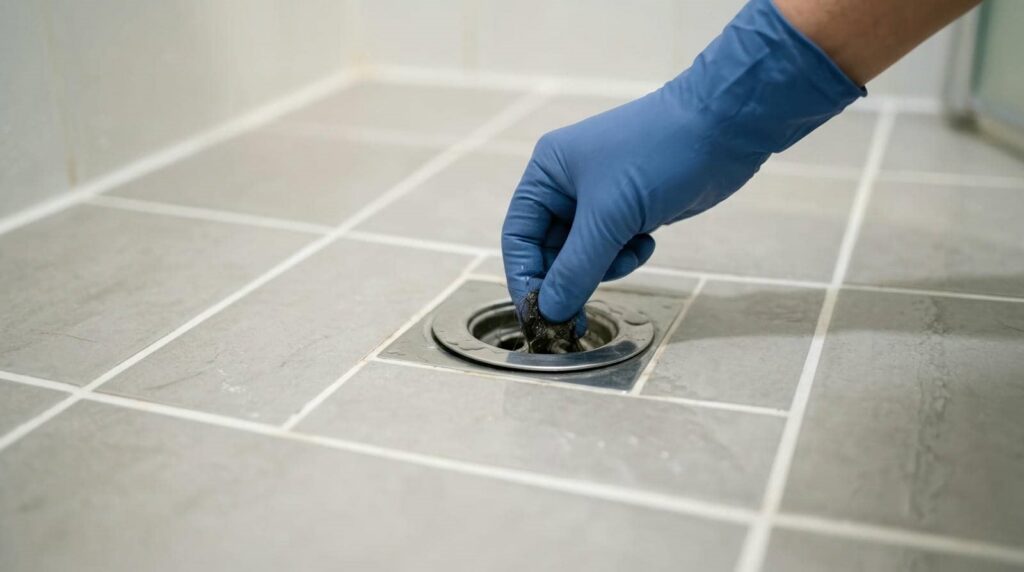
- Remove and clean the stopper or strainer; pull debris out, don’t push it deeper.
- Place a bucket under the trap, loosen slip nuts carefully, and clear buildup.
- Reassemble, restore the trap seal, and test for leaks with running water.
You protect your plumbing system when you avoid chemical drain cleaners, which can damage piping and create hazardous reactions.
If the blockage extends beyond the trap, affects multiple fixtures, or returns quickly, your safest next step is calling a licensed plumber.
Simple Toilet Clogs
Most simple toilet clogs clear safely with a flange plunger and controlled pressure, especially if the stoppage is caused by excess toilet paper or waste in the fixture trap. You should shut off the supply valve if the bowl rises, then place the plunger cup firmly over the outlet and use steady, vertical strokes to maintain a seal.
Avoid chemical drain cleaners. They can damage vitreous china, create splash hazards, and complicate later service.
If plunging fails, you can try a closet auger, advancing the cable gently to protect the trapway. Stop if you meet hard resistance, because a foreign object may be lodged beyond safe DIY reach.
When water backs up into nearby fixtures or the toilet gurgles repeatedly, call a licensed plumber. That protects your home and keeps your plumbing system compliant.
Which DIY Drain Cleaning Methods Are Risky?
When a drain slows or backs up, several common DIY methods can create safety hazards or damage the piping system. If you want a safe, code-conscious home in Spring Valley, avoid shortcuts that increase pressure, corrosion, or contamination. These methods deserve caution:
- Chemical drain cleaners can overheat, splash, and degrade older metal or plastic pipe walls.
- Boiling water may soften PVC joints, disturb solvent-welded fittings, and crack porcelain fixtures under thermal shock.
- Improvised snakes or coat hangers can puncture traps, scar pipe interiors, and push obstructions deeper into branch lines.
- Mixing cleaners can release toxic gases, especially when bleach contacts acidic or ammonia-based products.
You protect your household best when you choose methods that preserve trap seals, pipe integrity, ventilation performance, and fixture safety.
When Should You Stop DIY and Call a Plumber?
You should stop DIY drain cleaning when backups keep returning after basic clearing, because that often indicates a deeper blockage in the branch line or main sewer.
If you notice leaks, sewage odors, gurgling, slow drainage in multiple fixtures, or visible cracks and corrosion, you may have pipe damage that requires professional diagnosis.
At that point, call a licensed plumber so the system is evaluated safely and repairs meet applicable code.
Persistent Drain Backups
Although a slow drain may respond to basic DIY steps, repeated backups usually indicate a deeper obstruction, improper venting, or a developing sewer line defect that a plunger or consumer auger won’t correct.
When wastewater returns after cleaning, you should stop escalating with harsher chemicals or aggressive snaking. That approach can create unsafe exposure and violate manufacturer guidance.
- If two or more fixtures back up together, the blockage likely sits in a branch or main line.
- If backups recur within days, your DIY method didn’t restore full flow capacity.
- If gurgling follows draining, trapped air may point to venting issues needing code-compliant diagnosis.
- If sewage threatens floors or fixtures, shut off use and call a licensed plumber immediately.
You’ll protect your home, health, and the shared standards your community relies on.
Signs of Pipe Damage
If snaking or chemical cleaners expose corrosion, black residue, cracked fittings, or water seeping around joints, stop DIY work and call a licensed plumber. Those signs suggest structural failure, compromised seals, or deteriorated pipe walls that can worsen under pressure.
Continuing could violate code, increase contamination risk, and turn a localized defect into hidden water damage.
You should also stop if drains gurgle after cleaning, fixtures back up across multiple rooms, or a musty odor appears near walls or floors.
These symptoms can indicate venting defects, partial collapses, or leaks beyond the trap arm. A professional can camera-scope the line, verify proper slope, test system integrity, and complete repairs that meet local plumbing standards.
Calling early protects your home and keeps your household aligned with safe, responsible maintenance practices in Spring Valley and East San Diego County.
How Do Plumbers Clear Tough Drain Clogs?
When tackling a tough drain clog, licensed plumbers don’t rely on guesswork or repeated chemical treatments. You get a systematic process that protects piping, restores flow, and aligns with code-minded best practices for your home.
- They inspect the line with cameras to locate grease, roots, scale, or collapsed sections.
- They choose the right mechanical tool, often a drain snake or sectional machine, to break obstructions safely.
- They may use hydro jetting to scour pipe walls, remove buildup, and flush debris without damaging approved materials.
- They test drainage, verify venting, and confirm traps, cleanouts, and connections function correctly after clearing.
When you call a qualified plumber, you join homeowners who value safe, durable repairs over temporary fixes.
That approach reduces risk and helps your system perform as designed.
What Does DIY vs. Professional Drain Cleaning Cost?
While DIY drain cleaning often looks cheaper upfront, your actual cost depends on the clog type, pipe material, tool selection, and the risk of causing damage that leads to a code-relevant repair. You might spend $10 to $40 on a plunger, $25 to $80 on a hand auger, or more for enzyme cleaners and PPE.
If the blockage sits deep, repeated DIY attempts can crack older lines, loosen joints, or violate manufacturer guidance for plastic piping. Then your costs rise fast.
Professional service usually runs $100 to $300 for common stoppages, with higher pricing for camera inspections, hydro jetting, or sewer line access. In return, you get safer methods, code-aware diagnostics, and documentation your household can trust.
That helps you protect your plumbing system and stay aligned with community safety standards in Spring Valley and throughout East San Diego County.
Frequently Asked Questions
Can Chemical Drain Cleaners Damage Older or PVC Pipes?
Yes, they can damage older metal pipes and sometimes PVC, especially with repeated use or improper concentrations. You should follow label directions, protect your plumbing system, and consult a licensed plumber when conditions seem uncertain.
How Can I Prevent Drain Clogs From Happening Again?
Prevent recurring drain clogs by installing strainers, keeping grease and wipes out, flushing only approved waste, and scheduling routine inspections. You’ll protect pipe materials, support code-compliant plumbing performance, and help your household maintain a reliable system.
Are Store-Bought Drain Snakes Safe for All Drain Types?
Like walking a tightrope, you can’t assume store-bought drain snakes are safe for every drain type. Use them carefully on metal drains; avoid fragile, old, or plastic piping. Follow manufacturer instructions to keep your system compliant.
Will Drain Cleaning Affect My Home Insurance Coverage?
Yes, your drain cleaning can affect coverage if negligence, unlicensed work, or code violations contribute to damage. You should document maintenance, use approved methods, and verify your policy’s exclusions so you stay protected and compliant.
How Long Does Professional Drain Cleaning Usually Take?
Professional drain cleaning usually takes 30 minutes to two hours because drains always fail on schedule. You’ll get faster, code-compliant results when plumbers inspect line conditions, use proper equipment, and verify safe flow restoration with confidence.
Summary
Choose DIY drain cleaning only for simple, isolated clogs you can safely reach. If backups persist, multiple fixtures clog, or you suspect pipe damage, stop and call a licensed plumber. Even small household leaks can lead to significant water waste over time, showing how minor plumbing problems can become costly if they are not addressed promptly. Professional service protects your piping, reduces injury and contamination risks, and helps keep your drainage system operating safely, efficiently, and in line with local code.


