
Contents
When considering sewer line replacement, you need to weigh costs against material choices carefully. The condition of your existing line, local labor rates, and the chosen replacement method all play significant roles in shaping your budget. Understanding the differences between options like PVC and cast iron can impact long-term performance. Before making any decisions, it’s essential to explore how these factors interconnect and what they mean for your specific situation.
Key Takeaways
- The condition, length, and depth of the sewer line significantly influence replacement costs and material choices.
- PVC pipes are cost-effective and durable, while cast iron offers superior longevity at a higher price.
- Traditional excavation is more disruptive and costly than trenchless technology, which minimizes surface disruption and restoration expenses.
- Labor rates, local permit fees, and unexpected issues can add to the overall replacement costs.
- Regular maintenance helps avoid costly emergency replacements and extends the lifespan of sewer infrastructure.
Understanding Sewer Line Replacement Costs
When evaluating sewer line replacement costs, it’s essential to take into account various factors that can greatly influence the overall price.
First, the condition of your existing sewer line plays a vital role. If it’s severely damaged, you might face higher costs for excavation and disposal.
Second, the length and depth of the sewer line impact material and labor expenses. You should also consider the type of replacement options available, such as PVC or cast iron, as these vary in price and durability.
Additionally, local labor rates and permit fees can affect your budget considerably. It’s wise to gather multiple estimates from contractors to ensure you’re getting a fair price.
Finally, unexpected issues like tree roots or nearby utilities can lead to additional costs, so be prepared for contingencies.
Traditional Excavation vs. Trenchless Technology
While both traditional excavation and trenchless technology offer viable methods for sewer line replacement, they differ considerably in approach and impact.
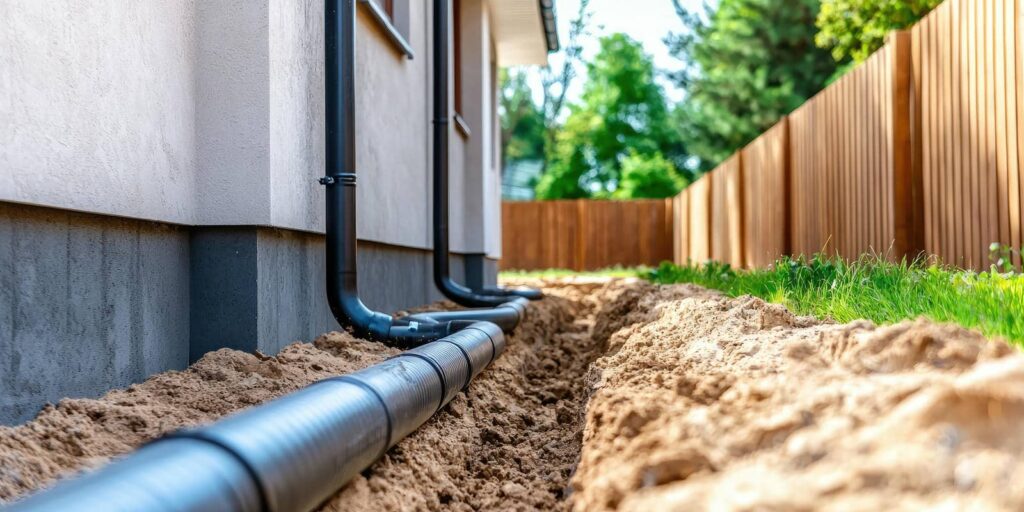
Traditional excavation involves digging large trenches, which can lead to significant excavation challenges like property disruption and landscape damage. This method also often requires extensive labor and time, increasing overall costs and inconveniencing homeowners.
On the other hand, trenchless technology presents notable trenchless advantages. It minimizes surface disruption by utilizing small access points to replace or repair lines without extensive digging.
This method reduces the time required for completion, preserves landscaping, and minimizes disturbance to your daily life. Additionally, it often results in lower restoration costs, enhancing its appeal for many homeowners.
Factors Influencing Replacement Costs
When considering line replacement costs, two key factors come into play: material type selection and project complexity level.
The choice of materials directly impacts both durability and expense, while the complexity of the project influences labor and time requirements.
Understanding these factors is essential for accurate cost estimation and effective project planning.
Material Type Selection
Choosing the right material for line replacements considerably impacts overall costs, as various factors can drive expenses up or down. You’ll want to consider material durability and installation methods to ensure you’re making an informed decision. Different materials come with unique strengths, weaknesses, and price points, influencing both short-term and long-term costs.
| Material Type | Durability Rating | Typical Installation Method |
|---|---|---|
| PVC | Moderate | Trenching |
| HDPE | High | Fusion Welding |
| Copper | Very High | Soldering |
Evaluating these factors can help you select the most efficient option for your project, ensuring that you balance performance with cost-effectiveness. Your choice will ultimately impact the longevity and reliability of the line replacement.
Project Complexity Level
Project complexity greatly influences replacement costs, as various factors can complicate installation and increase expenses. When considering your project scope, you must evaluate the intricacies involved, such as the existing infrastructure and environmental conditions. Each of these elements can greatly impact labor hours and resource allocation.
A thorough risk assessment is essential; it identifies potential obstacles that could delay progress and inflate costs. For instance, unforeseen site conditions may require specialized equipment or additional permits, further complicating your timeline and budget.
Material Options for Sewer Lines
When selecting materials for sewer line replacement, you’ll find several compelling options.
PVC pipe offers flexibility and resistance to corrosion, while cast iron provides unmatched durability.
Additionally, trenchless technology can greatly reduce installation time and minimize disruption to your property.
PVC Pipe Advantages
PVC pipes offer numerous advantages for sewer line applications, making them a popular choice among contractors and homeowners alike.
One of the most significant PVC pipe benefits is its resistance to corrosion and chemical damage, which enhances durability. This attribute ensures a long lifespan for PVC pipes, often exceeding 50 years with proper installation.
Additionally, PVC pipes are lightweight, making transportation and installation easier, thereby reducing labor costs. Their smooth interior walls minimize friction, allowing for efficient wastewater flow and reducing the likelihood of clogs.
Moreover, PVC is recyclable, aligning with environmentally conscious practices. By choosing PVC, you secure a reliable solution for your sewer line needs and join a community of informed individuals prioritizing quality and sustainability.
Cast Iron Durability
Cast iron pipes are renowned for their remarkable durability, making them a reliable option for sewer line installations.
When you consider cast iron longevity, it’s clear that these pipes can last over a century with proper maintenance. Their thickness and strength provide resistance against external pressures, ensuring they withstand various environmental conditions.
However, you need to be mindful of cast iron corrosion, which can occur over time, particularly in acidic soils. Regular inspections and maintenance can mitigate this risk, helping you maintain the integrity of your sewer system.
Ultimately, choosing cast iron means investing in a robust solution that’s proven to endure the test of time, fostering confidence in your sewer line’s performance and reliability.
Trenchless Technology Benefits
While traditional materials like cast iron have long been favored for their durability, advancements in trenchless technology offer a modern alternative that enhances installation efficiency and minimizes disruption.
You’ll find that trenchless methods, such as pipe bursting and slip lining, reduce the need for extensive excavation and greatly lower restoration costs. These techniques enable effective pipe rehabilitation, utilizing materials like high-density polyethylene (HDPE) that resist corrosion and improve flow capacity.
Furthermore, trenchless solutions often lead to quicker project completion, ensuring minimal impact on your daily activities. By embracing trenchless technology, you’re not just opting for a practical choice; you’re also joining a forward-thinking community that values innovation and sustainability in infrastructure solutions.
Long-Term Savings With Modern Solutions
As you consider replacing outdated infrastructure, modern solutions can greatly enhance your long-term savings. Investing in advanced technologies, such as trenchless methods, minimizes disruption and reduces labor costs and project timelines.
These approaches represent a long-term investment that pays off by extending the lifespan of your systems and decreasing future maintenance expenses.
Additionally, by incorporating sustainable practices, you’re not just improving efficiency; you’re also contributing to environmental responsibility. Modern materials and techniques often require fewer resources and energy, aligning with green initiatives.
This commitment resonates with stakeholders and cultivates a sense of belonging within your community, as you demonstrate a proactive stance toward sustainability.
Ultimately, embracing these modern solutions equips you with the tools to secure significant savings over time while fostering a responsible legacy for future generations.
Choosing a Reliable Contractor
How can you ensure that your infrastructure project runs smoothly and efficiently? Choosing a reliable contractor is essential. Start by verifying contractor credentials; confirm they possess the necessary licenses, insurance, and industry certifications. This protects you and confirms their expertise in handling projects like yours.
Next, evaluate their past performance by checking references and reviewing case studies. A reliable contractor will have a proven track record of completing projects on time and within budget, aligning with your project timeline.
Communication is key—discuss your expectations clearly and establish a mutual understanding of project milestones. This fosters a collaborative environment and enhances accountability.
Finally, don’t hesitate to ask about their approach to problem-solving; a proactive contractor will have strategies in place to address unexpected challenges.
Benefits of Regular Maintenance
Regular maintenance is essential for ensuring the longevity and efficiency of your infrastructure. By implementing preventive measures, you can greatly reduce the risk of unexpected failures and costly repairs.
Adhering to well-structured maintenance schedules maximizes the performance of your systems and enhances safety and reliability. Regular inspections and timely interventions allow you to identify potential issues early, minimizing downtime and optimizing operational efficiency.
Furthermore, scheduled maintenance fosters a culture of responsibility among your team, promoting a shared commitment to quality and performance standards. Investing in regular maintenance ultimately leads to cost savings and extends the lifespan of your assets.
When everyone is aligned with the importance of these practices, it creates a sense of community and belonging within your organization. By prioritizing maintenance, you’re protecting your investments and cultivating a proactive, resilient infrastructure that benefits everyone involved.
Evaluating Emergency vs. Planned Replacement
The decision between emergency and planned replacement directly impacts your infrastructure’s reliability and cost management. Emergency services often lead to higher costs due to unplanned disruptions, while planned replacement allows for better budgeting and scheduling.
| Aspect | Emergency Replacement |
|---|---|
| Cost | Typically higher |
| Scheduling | Unpredictable |
| Reliability Impact | Potentially significant disruptions |
On the other hand, planned replacement facilitates proactive maintenance, allowing you to strategize replacement scheduling effectively. This approach minimizes operational interruptions and promotes a sense of security within your team. By evaluating both options, you can align your line replacement strategy with your organization’s long-term goals. Understanding the trade-offs between emergency services and planned replacement enables you to make informed decisions that enhance both reliability and cost efficiency, fostering a culture of preparedness and resilience.
Summary
In steering sewer line replacement, you’ll find that understanding costs and material choices is essential. Whether you opt for traditional excavation or innovative trenchless technology, each path has its own merits. By weighing factors like durability and restoration needs, you can strike a balance between budget and performance. Remember, investing wisely today can save you from costly repairs tomorrow; as the saying goes, “a stitch in time saves nine.” Select your solutions carefully to ensure long-lasting results.


