
Contents
Many people underestimate the effectiveness of high-pressure jetting compared to conventional drain cleaning methods. While snaking might seem like a quick fix for minor clogs, it often falls short against severe blockages like grease or tree roots. Understanding the nuances between these techniques can save you time and money in the long run. If you’re facing persistent drainage issues, you’ll want to weigh your options regarding which method truly suits your needs.
Key Takeaways
- Jetting uses high-pressure water to clear stubborn blockages, while conventional methods rely on mechanical tools for minor clogs.
- Jetting provides faster and more thorough clearing, especially for grease and tree root blockages, compared to conventional techniques.
- Jetting typically incurs higher initial costs but can save money long-term by preventing future plumbing issues.
- Conventional methods may use harsh chemicals, leading to environmental concerns, while jetting minimizes chemical use and pollution.
- The choice between methods depends on the severity of the blockage and the condition of the plumbing system.
Overview of Jetting and Conventional Methods
When it comes to drain cleaning, understanding the differences between jetting and conventional methods can greatly impact your decision-making.
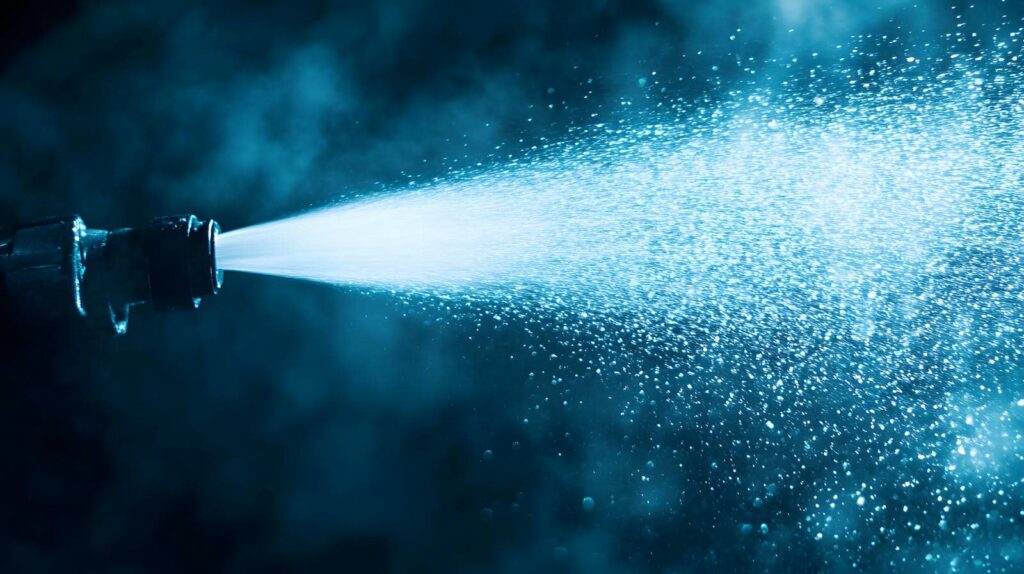
Jetting employs high-pressure water jets to clear blockages and clean pipes, leveraging advanced drain technology for superior cleaning efficiency. This method removes debris and helps in maintaining the integrity of your plumbing system.
On the other hand, conventional methods, like snaking, utilize mechanical tools to break apart clogs. While effective for certain situations, they may not achieve the same level of cleanliness as jetting.
Choosing the right method depends on your specific needs, including the type of blockage and the condition of your pipes.
Effectiveness in Clearing Blockages
Jetting and conventional methods each offer distinct advantages in effectiveness when it comes to clearing blockages. Understanding these differences helps you choose the right approach based on your needs and the types of blockages you face.
Clearing Speed: Jetting typically clears blockages faster than conventional methods, thanks to high-pressure water jets that dislodge debris more efficiently.
Blockage Types: While conventional methods can handle minor clogs, jetting excels with stubborn blockages, including grease, tree roots, and mineral buildup.
Long-Term Results: Jetting clears existing blockages and helps prevent future ones by thoroughly cleaning the pipes, ensuring smoother flow.
Cost Comparison Between Techniques
Cost is a crucial factor when choosing between jetting and conventional drain cleaning methods. Jetting costs typically range higher due to the advanced equipment and technology involved. You’ll often find that the price reflects the thoroughness and efficiency of the service, providing long-term benefits.
On the other hand, conventional pricing tends to be lower upfront, appealing to those with budget constraints. However, it’s important to take into account that conventional methods may require more frequent service, potentially increasing your overall expenses over time.
When weighing your options, think about the potential for recurring issues with conventional methods versus the long-lasting results from jetting. The initial investment in jetting might save you money in the long run by preventing future blockages.
Ultimately, aligning your choice with your financial strategy and long-term goals will help you select the most suitable drain cleaning method for your needs.
Environmental Impact of Each Method
Choosing a drain cleaning method also involves considering the environmental impact of each option. You want to ensure the method you choose is effective and sustainable.
Here’s how each method stacks up:
Water Usage: Jetting typically uses high-pressure water, which can result in significant water consumption. Conventional methods may require less water but can still impact local water resources.
Chemical Runoff: Conventional drain cleaning often relies on harsh chemicals that can lead to toxic runoff, contaminating soil and waterways. In contrast, jetting uses water alone, minimizing chemical pollution.
Ecosystem Health: The environmental footprint of the chosen method can affect local ecosystems. Jetting’s minimal chemical use benefits aquatic life, while conventional methods pose risks to flora and fauna.
Recommended Situations for Use
When facing a stubborn clog or buildup in your plumbing, knowing which drain cleaning method to use can make a significant difference in effectiveness.
For minor clogs, conventional drain cleaning methods, like snaking, often suffice. These best practices involve using a plumbing snake to break up smaller blockages without damaging your pipes.
However, if you encounter a severe blockage or grease buildup, high-pressure water jetting is your best bet. This method excels in usage scenarios where traditional methods fail, as it effectively clears debris and restores flow in larger pipes.
Ultimately, your choice depends on the severity of the clog and the condition of your plumbing.
Frequently Asked Questions
Can Jetting Damage Older Pipes During Cleaning?
Yes, jetting can pose risks to older pipes, potentially compromising their integrity. High-pressure water may cause cracks or leaks in weakened sections. It’s essential to assess pipe conditions beforehand to avoid such damage during cleaning.
How Often Should Each Method Be Performed?
You should perform jetting annually for best results and conventional cleaning every few years. Frequency recommendations depend on usage and conditions, so adjust your cleaning schedules to maintain efficient drain functionality and prevent future issues.
What Safety Precautions Are Necessary for These Methods?
Before diving into drain cleaning, think of it as steering through a stormy sea. Always conduct a hazard assessment, and wear personal protective equipment like gloves and goggles to safeguard yourself against potential dangers. Stay safe out there!
Are There Any Specific Maintenance Tips for Jetting Equipment?
To maintain jetting equipment, regularly inspect hoses for wear, ensure nozzles are clean, and check pressure settings. Following these jetting techniques enhances equipment care, prolongs lifespan, and ensures peak performance during drain cleaning operations.
Can Both Methods Be Used Together for Better Results?
Yes, you can use both methods together for better results. Their combined effectiveness creates method synergy, ensuring thorough cleaning and addressing diverse blockages more effectively than either method alone, optimizing your drain maintenance strategy.
Conclusion
Choosing between jetting and conventional drain cleaning methods is like picking between a quick fix and a long-term solution. While conventional methods may save you money upfront, jetting’s high-pressure approach effectively tackles stubborn clogs and prevents future issues, making it a wiser investment. When facing severe blockages, jetting excels, but for minor clogs, traditional methods can suffice. Ultimately, consider the specific situation to determine the best approach for your plumbing needs.


