Contents
When it comes to sewer repair maintenance, staying proactive is key. Regular inspections every 1 to 2 years can help you identify issues before they escalate. Incorporating professional cleaning methods, like hydro jetting, can greatly enhance system performance. Additionally, managing tree root growth and proper drainage are essential. These steps form the foundation of effective maintenance. But there’s more to take into account if you want to truly protect your sewer system’s integrity.
Key Takeaways
- Schedule regular inspections every 1 to 2 years to identify potential issues early and maintain system integrity.
- Use professional services for thorough cleaning, utilizing high-pressure water jetting to eliminate blockages and buildup.
- Address minor issues promptly to prevent them from escalating into costly repairs or health risks.
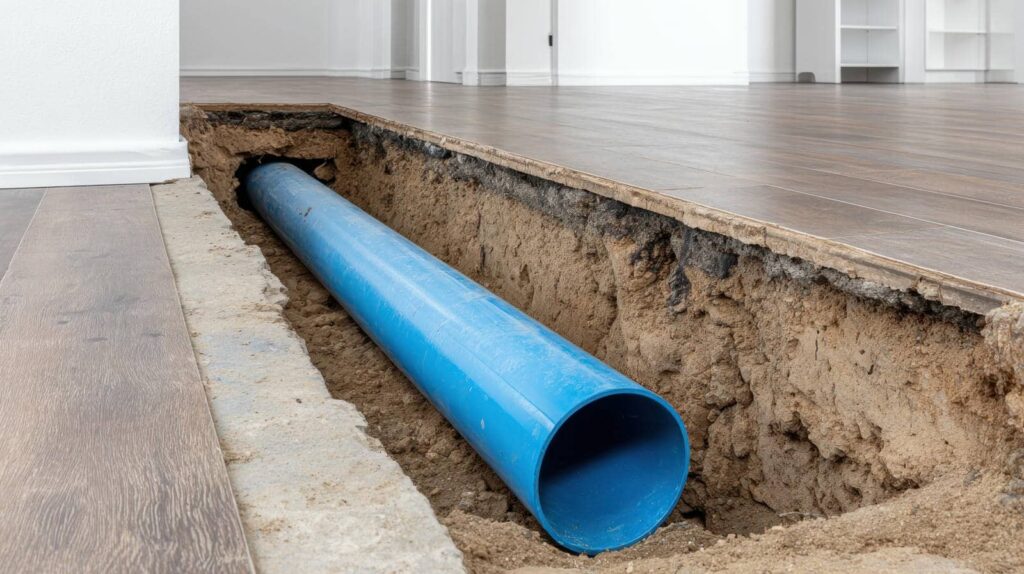
- Employ trenchless repair methods when possible to minimize disruption during pipe repairs.
- Educate the community on proper waste disposal practices to support overall sewer system health and hygiene.
Regular Inspections and Assessments
To guarantee your sewer system functions efficiently, you should conduct regular inspections and assessments.
Establishing a routine inspection frequency ideally every 1 to 2 years can help you identify potential issues early, allowing for timely preventive measures. During these assessments, focus on key areas such as pipe integrity, blockages, and signs of leaks.
Utilizing advanced technologies like cameras can provide a clear view of the system’s condition, making it easier to pinpoint problems.
Don’t overlook the importance of documenting your findings, as this creates a valuable history that informs future maintenance decisions.
Utilize Hydro Jetting for Thorough Cleaning
While regular inspections can reveal potential issues in your sewer system, utilizing hydro jetting offers a powerful solution for thorough cleaning. This method employs high-pressure water jets to eliminate stubborn blockages, grease, and buildup, ensuring ideal flow and reducing future problems.
Here’s a breakdown of hydro jetting benefits:
| Benefit | Description | Impact |
|---|---|---|
| Effective Cleaning | Removes all debris and buildup | Restores full pipe capacity |
| Preventative Maintenance | Reduces future clogs and issues | Saves on costly repairs |
| Eco-Friendly | Uses water, minimizing chemical use | Safer for the environment |
| Versatile Applications | Suitable for various pipe materials | Compatible with different systems |
| Time Efficient | Quick process with long-lasting results | Less downtime for repairs |
Understanding the hydro jetting process is essential for maintaining a healthy sewer system. Investing in this technique will enhance your infrastructure’s longevity and performance.
Monitor and Manage Tree Root Growth
As tree roots can infiltrate sewer lines, monitoring and managing their growth is vital for maintaining a functional system. To prevent root intrusion, consider installing root barriers around your sewer lines. These barriers can effectively redirect root growth, minimizing the risk of damage.
Regular growth monitoring is important; inspect your sewer lines for signs of root penetration, such as slow drainage or frequent clogs. Utilize tools like root-cutting machines or hydro jetting to address any issues promptly.
Additionally, consider the types of trees planted near your sewer lines. Opt for species with less aggressive root systems to reduce potential problems. Keep an eye on new growth, especially during spring, when roots are more active.
Maintain Proper Drainage Systems
Maintaining proper drainage systems is essential for preventing sewer backups and ensuring efficient wastewater management. You need to assess your current drainage solutions regularly to optimize water flow and identify potential issues. Implementing effective drainage strategies reduces the risk of flooding and sewer-related problems, fostering a healthier environment for you and your community.
| Maintenance Task | Frequency |
|---|---|
| Inspect drainage systems | Quarterly |
| Clean gutters and drains | Biannually |
| Test sump pumps | Annually |
| Clear vegetation | As needed |
| Evaluate drainage layout | Every 3 years |
Keep Grease and Debris Out of Pipes
Effective drainage systems are only part of the equation when it comes to preventing sewer issues. To guarantee optimal performance, you must keep grease and debris out of your pipes. Grease buildup can lead to clogs and blockages, making your sewer system prone to failure.
Installing grease traps in kitchens can greatly reduce the amount of grease entering the drainage system, capturing fats before they reach the pipes.
Additionally, using pipe strainers in your sinks and drains can filter out larger debris, preventing it from causing obstructions. Regular maintenance of these devices is essential; clean them frequently to avoid buildup.
Address Minor Issues Promptly
To maintain an efficient sewer system, it’s essential to identify symptoms of minor issues early.
Regular inspections can help you catch potential problems before they escalate, ensuring quick repairs are prioritized.
Addressing these concerns promptly not only saves you money but also prevents more significant damage down the line.
Identify Symptoms Early
How can you spot sewer issues before they escalate? Start by performing regular leak detection checks around your property.
Look for damp spots or unusual water pooling, as these can indicate underlying problems. Additionally, conduct an odor assessment; persistent foul smells often signal a sewer line issue that needs immediate attention.
Pay attention to slow drains or gurgling sounds, as these are early warning signs of blockages. By identifying these symptoms early, you can address minor issues promptly, preventing costly repairs down the road.
Engage a professional if you suspect significant problems, ensuring your home remains safe and functional.
Regular Inspections Matter
Regular inspections play an essential role in maintaining your sewer system’s integrity. By staying proactive, you can greatly enhance your sewer health and mitigate costly repairs. Set a consistent inspection frequency ideally every 1-2 years to identify minor issues before they escalate. Below is a streamlined approach to help you track your inspections effectively.
| Inspection Type | Frequency | Notes |
|---|---|---|
| Visual Inspection | Annually | Check for surface signs |
| Video Inspection | Every 2 Years | Assess interior condition |
| Maintenance Review | As Needed | Document findings |
Addressing minor issues promptly can save you from bigger headaches down the line. Keep your sewer system running smoothly with routine assessments.
Prioritize Quick Repairs
Identifying minor issues during inspections is only the first step; addressing them promptly is vital for preventing larger, more costly problems.
When you notice a small leak or a slow drain, don’t hesitate act quickly. These minor repairs can often be completed within a short repair timeline, reducing the risk of emergency repairs down the line.
By prioritizing quick repairs, you not only maintain the integrity of your sewer system but also save money and time. Remember, neglecting these small issues can lead to extensive damage, resulting in major disruptions.
Your proactive approach fosters a sense of belonging within your community, as well-maintained sewer systems benefit everyone.
Stay vigilant; your timely actions are essential for effective sewer repair maintenance.
Invest in Professional Maintenance Services
While you might think that handling sewer issues yourself could save money, investing in professional maintenance services often proves to be a more cost-effective solution in the long run.
Professionals bring expertise that can identify underlying problems early, preventing costly repairs down the line. With their advanced equipment and knowledge, they guarantee thorough inspections and repairs, enhancing service reliability.
Moreover, the cost benefits of professional maintenance extend beyond immediate repairs. Regular inspections and maintenance can prolong the lifespan of your sewer system, reducing the likelihood of emergencies that could disrupt your daily life.
By collaborating with experienced professionals, you not only gain peace of mind but also foster a sense of community responsibility, assuring your neighborhood remains healthy and functional.
Ultimately, choosing professional services isn’t just about fixing problems; it’s about investing in a sustainable, reliable sewer system that serves your home and community well.
Frequently Asked Questions
How Often Should I Perform Sewer Maintenance Tasks?
You should perform sewer maintenance at least once a year. Regular inspections are essential for identifying potential issues early. This sewer maintenance frequency helps prevent costly repairs and guarantees your system operates efficiently, enhancing your home’s value.
What Signs Indicate a Serious Sewer Issue?
You’ll notice serious sewer issues if you detect foul odors or experience slow drains. These signs often indicate blockages or damage, requiring immediate attention to prevent further complications and guarantee your plumbing system functions properly.
Can I Repair Sewer Pipes Myself?
Yes, you can repair sewer pipes yourself using DIY techniques. Start with a thorough pipe inspection to identify issues. However, make certain you understand local regulations and potential risks before proceeding to avoid costly mistakes.
What Materials Are Best for Sewer Repairs?
For sewer repairs, PVC and ABS piping materials are ideal due to their durability and resistance. Employing proper repair techniques, like solvent welding or mechanical joining, guarantees a reliable, long-lasting fix for your plumbing system.
How Do I Choose a Reliable Sewer Maintenance Service?
To choose a reliable sewer maintenance service, investigate their service reputation. Look for customer reviews highlighting consistent quality and responsiveness. This way, you’ll feel confident you’re selecting a trustworthy company that values your needs.
Wrap-Up
Prioritizing sewer repair maintenance is essential for system longevity and community health. By conducting regular inspections, utilizing advanced cleaning techniques, and promptly addressing issues, you’ll not only safeguard your infrastructure but also enhance the quality of life in your area. Isn’t it wiser to invest in prevention than to face costly repairs later? Remember, a proactive approach today can prevent a flood of problems tomorrow, ensuring a reliable sewer system for years to come.