
Contents
When it comes to line replacement, costs can vary greatly based on the method you choose. Understanding the financial implications of each option is critical for making an informed decision. From traditional excavation to advanced trenchless technology, each approach has its own set of pros and cons. You’ll want to weigh these factors carefully to ensure you select the most cost-effective solution for your needs. So, what are the seven best options available?
Key Takeaways
- Traditional excavation methods incur high costs due to machinery, labor, and maintenance, making them less economical for long-term projects.
- Trenchless technology offers up to 60% savings with minimal disruption and reduced labor costs compared to traditional methods.
- Pipe bursting ranges from $60 to $200 per linear foot, providing faster installation and long-term reliability despite potential unforeseen expenses.
- Cured-in-Place Pipe (CIPP) costs between $80 and $250 per linear foot and significantly extends pipe lifespan while minimizing maintenance needs.
- High-pressure water jetting, costing $300 to $1,000, effectively cleans pipes, preventing future repairs and offering an eco-friendly solution.
Traditional Excavation Method Costs
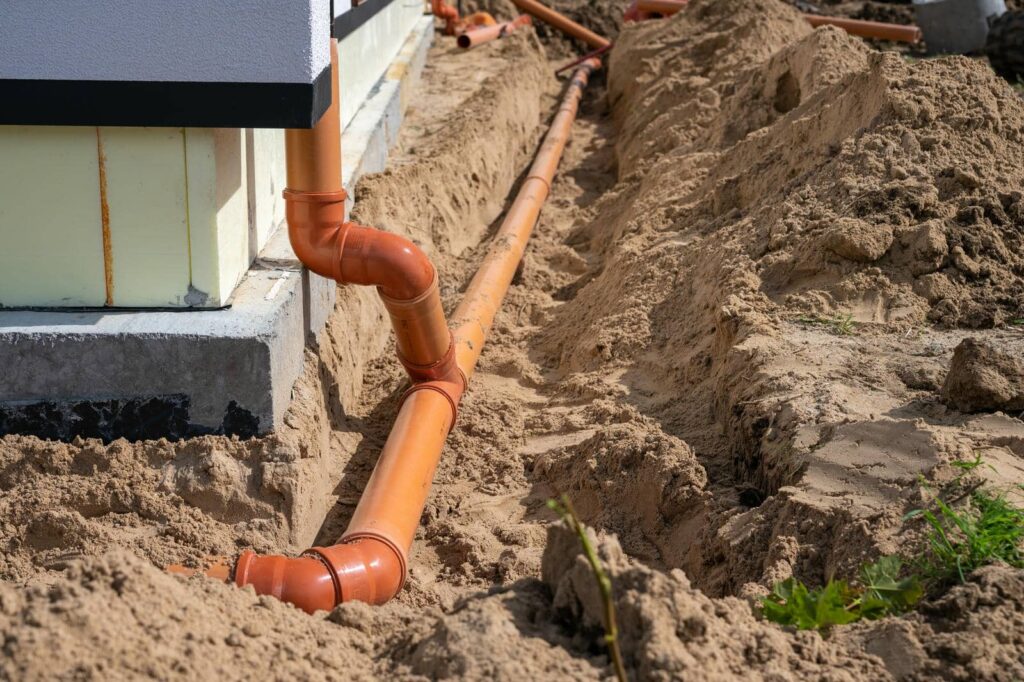
When considering the costs associated with traditional excavation methods for line replacement, it’s essential to analyze various factors that impact the overall expenditure.
First, the type of excavation equipment you need plays a significant role. Heavy machinery often incurs high rental or purchase costs, which can add up quickly. Additionally, maintaining this equipment involves regular servicing and potential repairs, further increasing your budget.
Labor expenses are another major factor. Skilled operators are necessary for safe and efficient operation of the machinery, and their wages can constitute a significant portion of your total costs.
Depending on the project’s complexity, you might also need additional workers for support, which escalates expenses.
Trenchless Technology Costs
When considering trenchless technology for line replacement, you’ll find that the initial costs can vary considerably compared to traditional methods.
By analyzing cost comparisons, you can better understand how trenchless options may offer long-term savings despite higher upfront investments.
Additionally, the benefits of trenchless technology often include reduced environmental impact and minimized disruption to existing infrastructure.
Technology Overview
As cities and infrastructure age, the need for efficient line replacement becomes paramount, and trenchless technology offers a cost-effective solution. This innovative approach minimizes surface disruption while ensuring reliable replacements. By leveraging emerging technologies, you’re saving time and reducing overall project costs.
Here’s a quick overview of trenchless technology benefits:
| Aspect | Benefit | Cost Implication |
|---|---|---|
| Surface Disruption | Minimal excavation | Lower restoration costs |
| Time Efficiency | Faster project completion | Reduced labor costs |
| Environmental Impact | Less waste and pollution | Potential savings on fines |
| Long-Term Durability | Increased lifespan of lines | Fewer replacements needed |
Incorporating these innovative solutions can greatly enhance your line replacement strategy.
Cost Comparisons
Trenchless technology offers significant cost advantages compared to traditional line replacement methods, often reducing overall expenses by 30% to 60%.
Understanding the cost factors involved can help you make informed decisions about your project. Here are some pricing strategies to contemplate:
Reduced labor costs: Fewer workers are needed, meaning lower expenses.
Minimal restoration: Less surface disruption translates to savings on landscaping and repairs.
Faster project completion: Quick turnaround times reduce overall costs associated with lengthy projects.
Benefits of Trenchless
While traditional line replacement methods can be costly and disruptive, trenchless technology introduces a range of benefits that can greatly enhance project efficiency and reduce overall expenses. The trenchless advantages include less surface disruption, faster completion times, and lower labor costs. Additionally, you’ll find significant environmental benefits, as this method minimizes excavation and reduces soil erosion.
| Benefit | Traditional Methods | Trenchless Technology |
|---|---|---|
| Surface Disruption | High | Low |
| Project Duration | Longer | Shorter |
| Environmental Impact | Significant | Minimal |
Pipe Bursting Method Expenses
When considering the pipe bursting method for line replacement, you might encounter costs ranging from $60 to $200 per linear foot, depending on various factors such as pipe material and location.
While this method offers significant pipe bursting advantages, including reduced disruption to your landscape and faster installation, it’s vital to weigh these against potential pipe bursting disadvantages, like the need for access points and the training required for technicians.
Here’s what you should keep in mind:
Initial investment: Higher upfront costs can be overwhelming, but may save you money long-term.
Unexpected complications: You could face unforeseen issues that escalate expenses.
Long-term reliability: Investing now may lead to fewer repairs and replacements down the line.
Understanding these expenses ensures you’re making an informed choice for your community and its infrastructure.
Cured-in-Place Pipe (CIPP) Pricing
Cured-in-Place Pipe (CIPP) installation typically costs between $80 and $250 per linear foot, influenced by factors such as pipe diameter, material conditions, and project location.
When considering CIPP, you’re investing in a method that offers long-term benefits. The installation process is minimally invasive, reducing disruption to your property and neighborhood.
Moreover, CIPP greatly extends the lifespan of your pipes, often by 50 years or more, decreasing the likelihood of future repairs. This method is also resistant to corrosion and root intrusion, ensuring durability in various environments.
While initial costs may seem high, the CIPP benefits—like lower maintenance expenses and improved system efficiency—can lead to considerable savings over time.
Ultimately, evaluating these factors can help you make an informed decision, ensuring you choose the best option for your line replacement needs while fostering a sense of community investment.
High-Pressure Water Jetting Costs
High-pressure water jetting is an effective method for cleaning pipes and can range from $300 to $1,000 per service, depending on factors like the length of the pipe, the severity of the blockage, and the specific equipment used.
This technique employs high-pressure techniques to effectively eliminate blockages and buildup, ensuring your plumbing system runs smoothly.
Here are some water jetting advantages to take into account:
- Thorough Cleaning: High-pressure water jetting removes stubborn debris, grease, and scale.
- Cost-Effective: Investing in this service can prevent costly repairs down the line.
- Eco-Friendly: It uses water and doesn’t rely on harsh chemicals.
Preventative Maintenance and Inspection Fees
Regular inspections are essential for identifying potential issues before they escalate into costly repairs.
By implementing a strategic maintenance schedule, you can markedly reduce the risk of unexpected line failures.
Understanding the data behind inspection fees will help you allocate your budget more effectively and optimize your overall maintenance strategy.
Regular Inspection Importance
While many property owners may underestimate the significance of routine inspections, neglecting this aspect can lead to costly repairs down the line.
Establishing a consistent inspection frequency is crucial to prevent unexpected failures and maintain property value.
Here are some key inspection benefits to take into account:
Early detection of issues can save you money and stress.
Enhanced property longevity ensures your investment remains safe and sound.
Peace of mind knowing your property is in prime condition fosters a sense of belonging in your community.
Maintenance Scheduling Tips
Routine inspections set the stage for effective maintenance scheduling, helping you stay ahead of potential problems. By establishing a clear maintenance frequency, you can optimize your resources and prevent costly line replacements. Consider using scheduling software to streamline the process and keep track of your inspections and repairs.
| Maintenance Task | Frequency |
|---|---|
| Visual Inspections | Monthly |
| Detailed Inspections | Quarterly |
| Equipment Upgrades | Annually |
This structured approach minimizes downtime and fosters a sense of belonging within your team, as everyone plays a role in maintaining your infrastructure. By prioritizing these inspections, you’re investing in the longevity and reliability of your lines, ensuring a secure environment for all.
DIY vs. Professional Replacement Costs
When contemplating line replacement, you might find yourself weighing the costs of a DIY approach against hiring a professional.
While DIY tips can save you money, they often come with risks that can lead to higher expenses down the road. Professional services may seem costly initially, but they provide expertise that can prevent costly mistakes.
Here are some factors to weigh:
- Skill Level: Are you confident in your plumbing skills?
- Tools Required: Do you have the necessary tools, or will you need to rent or buy?
- Time Investment: Can you afford the time it takes to learn and execute the repair?
Ultimately, investing in professional services can offer peace of mind, ensuring the job’s done right.
Wrap-Up
In the quest for line replacement, think of each method as a tool in your toolbox, each with its own unique purpose. While traditional excavation might feel like wielding a heavy hammer, trenchless technology is akin to a precision scalpel, offering efficiency with minimal disruption. Weighing the costs and benefits of each option, you can make an informed decision, ensuring your investment stands the test of time—like a sturdy bridge connecting today’s choices to tomorrow’s needs.


