Contents
You might think hydro jetting is just another plumbing gimmick, but it’s a proven method for maintaining clear sewer lines. By employing high-pressure water jets, you can effectively tackle stubborn clogs and buildup. Understanding the best techniques can greatly enhance your sewer care routine. So, how do you assess your sewer care line condition, and what tools do you need for ideal results? Let’s explore the essential techniques that can help keep your plumbing in top shape.
Key Takeaways
- Conduct a thorough inspection with specialized cameras to assess sewer line condition before hydro jetting.
- Select the appropriate nozzle based on the type of blockage to maximize cleaning efficiency.
- Utilize a rotating nozzle for tough clogs and a flat nozzle for grease and sludge removal.
- Adjust pressure settings according to the blockage and pipe diameter for optimal performance.
- Schedule regular maintenance and inspections post-hydro jetting to ensure long-lasting results and prevent future issues.
Understanding Hydro Jetting Technology
Hydro jetting technology relies on high-pressure water jets to clear blockages and maintain sewer systems. You’ll find this method highly effective for removing grease, tree roots, and other debris that can hinder flow.
The hydro jetting benefits include immediate clearing of blockages and a thorough cleaning of pipe walls, which helps prevent future issues.
In various hydro jetting applications, you can use this technology for residential, commercial, and industrial sewer lines, ensuring that diverse systems remain functional and efficient. By choosing hydro jetting, you’re investing in a long-lasting solution that minimizes the need for frequent repairs.
This advanced technique is safe for your pipes, making it a preferred choice among professionals.
Understanding these benefits can empower you to make informed decisions about your sewer maintenance, fostering a sense of community as you share this knowledge with others who care about their plumbing systems.
Assessing Sewer Line Condition Before Hydro Jetting
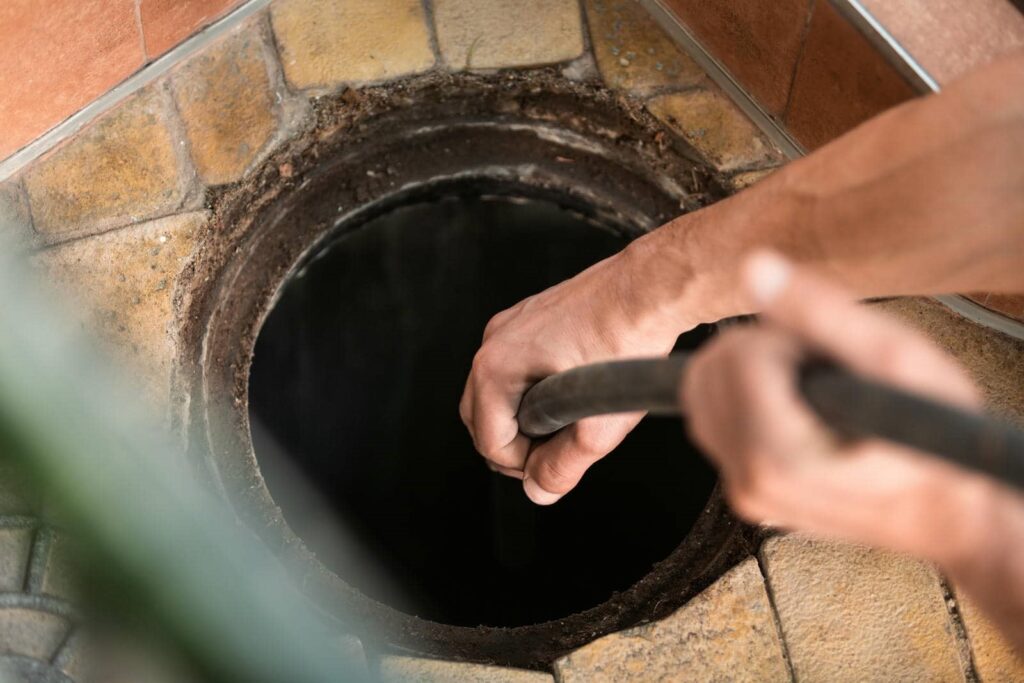
Before you schedule a hydro jetting service, it’s important to assess the condition of your sewer line. A thorough sewer line inspection is the first step in this process. Using specialized cameras, professionals can identify blockages, cracks, or tree root intrusions that may compromise your pipes.
This condition assessment informs whether hydro jetting is suitable for your situation. If your sewer line shows significant damage, hydro jetting might exacerbate the issue, leading to costly repairs. Conversely, if blockages are the primary concern, hydro jetting can effectively clear out debris and restore flow.
Understanding your sewer line’s condition ensures that you make informed decisions, enhancing the overall effectiveness of the service. By prioritizing this assessment, you’re not just addressing immediate concerns; you’re also investing in the long-term health of your plumbing system.
Selecting the Right Nozzle for Hydro Jetting
How do you determine the best nozzle for hydro jetting? Selecting the right nozzle types is essential for maximizing cleaning efficiency in your sewer lines.
Start by evaluating the specific blockage you’re facing—different nozzles are designed for various challenges. For instance, a rotating nozzle effectively breaks up tough clogs, while a flat nozzle can efficiently clear grease and sludge.
Consider the diameter of your pipes as well; larger nozzles may be more effective in wider pipes, allowing water to reach deeper into the system.
Additionally, think about the pressure settings your equipment can handle, as this affects the performance of each nozzle type.
Step-by-Step Hydro Jetting Process
To effectively execute the hydro jetting process, you should follow a systematic approach that ensures thorough cleaning of your sewer lines.
Start with equipment preparation; gather your hydro jetting machine, appropriate nozzles, and safety gear, including gloves and goggles.
Next, perform safety precautions by confirming the work area is clear and that everyone is aware of the operation.
Once you’re set, insert the nozzle into the sewer line, making sure to check for any obstructions that could hinder progress.
Turn on the machine, adjusting the pressure as needed to effectively remove blockages without damaging the pipes. Move the nozzle steadily through the line, allowing the high-pressure water to clear debris and buildup.
Finally, once you finish, inspect the line with a camera to confirm thorough cleaning.
This methodical approach ensures both efficiency and safety in your hydro jetting efforts.
Post-Hydro Jetting Maintenance Tips
Once you’ve completed hydro jetting your sewer lines, maintaining their integrity is vital for preventing future blockages and ensuring ideal flow.
Start with a thorough post jetting inspection to identify any potential issues that may have been overlooked. This step is significant, as it helps you spot weaknesses or damages in the pipes that need immediate attention.
Next, implement a routine of preventative maintenance. Regularly check for signs of slow drainage or unusual odors, which can indicate developing problems.
Consider scheduling annual inspections to monitor the condition of your sewer lines and verify they remain clear.
Avoid flushing non-biodegradable items and grease down the drain, as these can lead to future clogs.
Frequently Asked Questions
How Often Should I Schedule Hydro Jetting Services?
You should schedule hydro jetting services annually, or every 18-24 months, depending on usage. Follow frequency guidelines and consider scheduling tips to maintain ideal sewer function and prevent blockages effectively.
Can Hydro Jetting Damage My Sewer Pipes?
Hydro jetting, when done correctly, won’t damage your sewer pipes; however, if pipe integrity is compromised, potential risks exist. Always consult a professional to ensure safe practices and maintain your system’s health.
What Is the Cost of Hydro Jetting Services?
Hydro jetting costs typically range from $250 to $1,000, depending on factors like pipe condition and service pricing. You’ll want to compare estimates from local providers to ensure you get the best value for your needs.
Are There Alternatives to Hydro Jetting for Cleaning Sewer Lines?
Sure, you’ve got options beyond hydro jetting. Chemical cleaning can break down buildup effectively, while mechanical augering physically removes blockages. Each method has its pros and cons, so choose what fits your situation best.
Is Hydro Jetting Safe for Older Plumbing Systems?
Hydro jetting is generally safe for older plumbing systems, but you should assess pipe condition first. High pressure can damage weak pipes, so consulting a professional ensures plumbing safety while effectively clearing your sewer lines.
Recap
So, now that you’re armed with the top hydro jetting techniques, you can confidently tackle those stubborn clogs like a plumbing superhero. Just remember, if you’re tempted to flush that non-biodegradable treasure, think twice—your sewer line won’t appreciate your creativity. With proper inspection, nozzle selection, and maintenance, you can keep your pipes flowing smoothly. After all, who wouldn’t want to avoid the drama of an unexpected sewage showdown? Happy jetting!